Prepare for fall and the cold season ahead with this list of 10 things to do in the garden. Get your yard and garden ready with this checklist including cleanup, fall seed starting, fertilizing, mulching, and more!
This post may contain affiliate links. Making a purchase through one of these links helps support this blog.
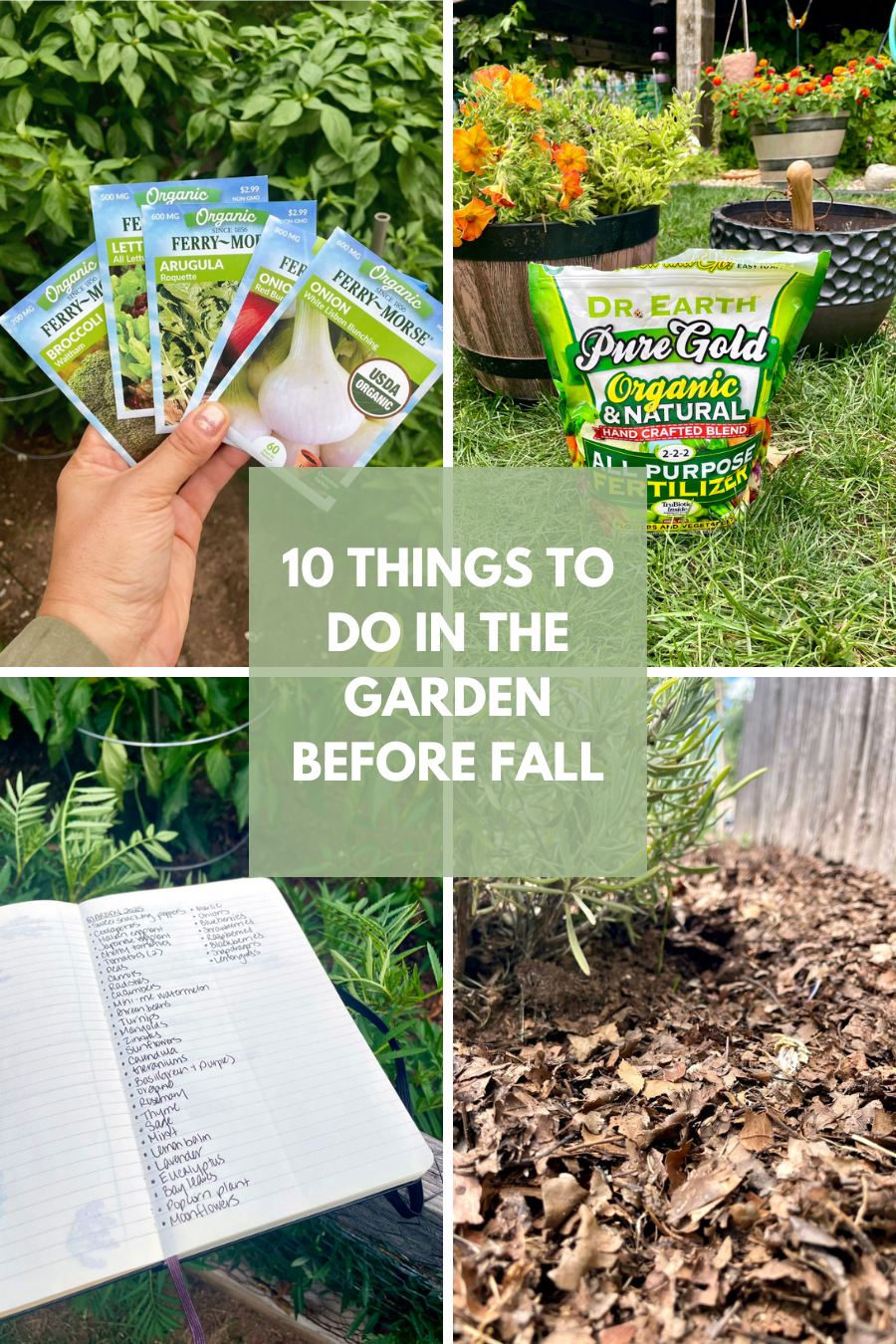
It's like somebody flipped a switch. The seasonal fall feel is definitely in the air. Mornings and evenings are getting much cooler. And even the plants in the garden are starting to change. The tomato plants are still producing, but there's a difference in the fruit they bear. The seeds I planted for fall harvesting are just starting to emerge. There's even the slightest change in the leaves on the trees in the yard.
So now, the countdown to fall is on! And while we're counting down the days until the official change of seasons, there's much to be done in the yard and garden to prepare. We're not only preparing for the fall planting season ahead, but ultimately the first frost. Thankfully, that won't hit us in NJ until about November, but the list seems long and neverending these days.
10 Things to Do in the Garden Before Fall
I've been tackling as much as I can, when I can, in order to stay on top of things. In fact, I even made myself a list of things to do to make sure I get to everything. Of course, I also tend to add a bunch of other things to do to my mental list while I'm outside messing around in the garden and in flower pots. But as long as I get the major tasks accomplished before the fall, I'll be happy! And so will our garden, too.

1. Stay on Top of Picking and Preserving Summer Veggies
We still have time to enjoy our summer garden (probably for another month or so). I've been trying to keep on top of preserving all summer and canned things like cucumbers, tomatoes, and peppers. As the veggies keep growing, I'll continue to pickle them so we can still enjoy them once the gardening season ends.

2. Save Seeds for Next Year
We've had some really good things growing in our garden this year (along with some I wouldn't grow again). So to make sure we can grow the fruits and vegetables we really enjoyed next year - without having to worry about finding starter plants or seeds - I like to keep the seeds. So far, I've saved watermelon seeds and will definitely be saving some of our pepper seeds. Once collected, I dry the seeds for a few days. Then, they're stored in a cool, dry place.

3. Plant Fall Seeds and Bulbs
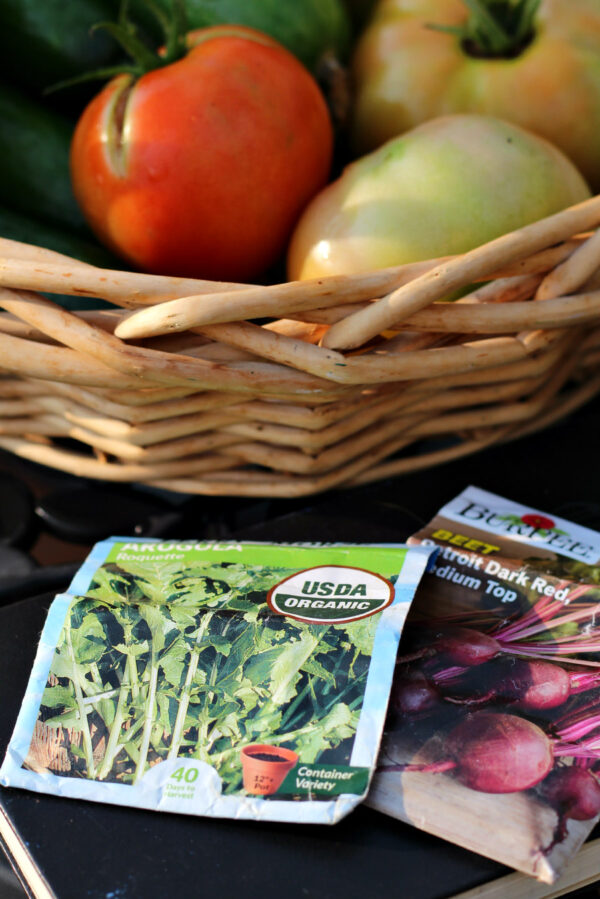
If you haven't already, it's basically your very last chance to plant fall seeds (of course, depending on your location). Towards the end of August, I put down more radish seeds, lettuce, onions, cucumbers, and broccoli. Recently, I also added calendula and zinnia seeds to one of our flower beds.
It's also a good time to plant spring bulbs like tulips, daffodils, and hyacinths. Get them planted and established before the first frost. Then, you'll have some gorgeous flowers to enjoy in the spring!

4. Transplant Any Perennials That Need Moved
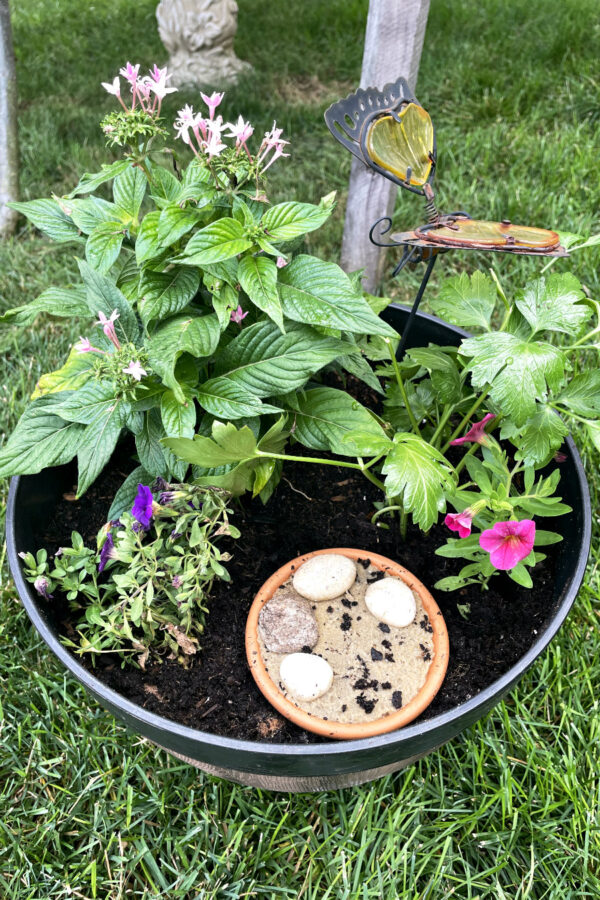
I recently tore up some dying grass in a section of our yard and planted some perennials that weren't doing so well in pots. So far, they seem to be enjoying the room to stretch and abundance of sunlight. If you have to move some perennials (berry bushes, flowers, etc.) around the yard, now is the time to do it. It'll give them a chance to establish strong roots before the first frost.

5. Cut Back Herbs - Freeze or Dry for Later
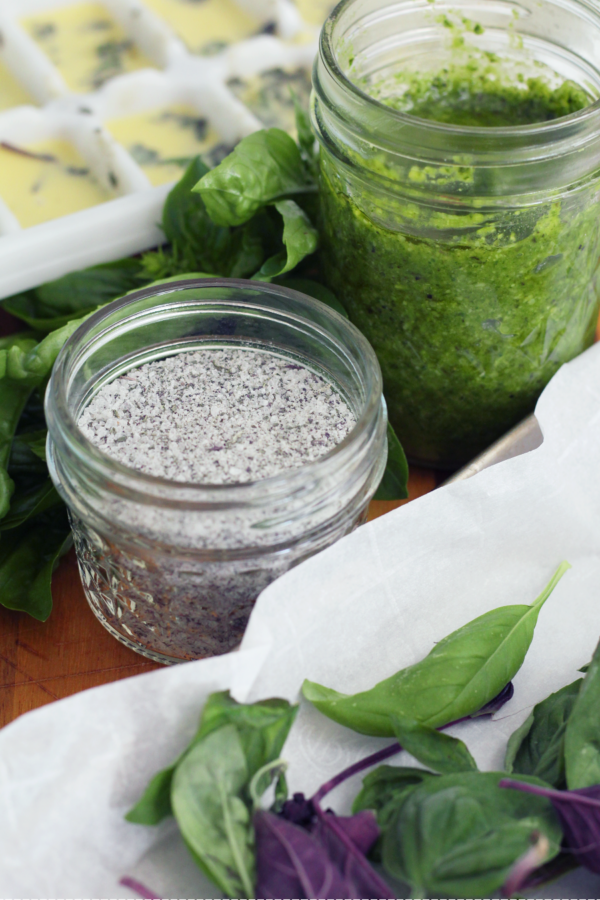
While I have been keeping up on canning, I haven't been doing a great job of harvesting my herbs. I'll snip here and there if I need a particular herb for my shop. But overall, I haven't harvested much for drying or freezing for later. If you have herbs that aren't very cold-tolerant, now is the time to start cutting them back. However, you don't want to cut them back too much. That could potential promote fresh growth and you don't want that to happen before the first frost.

6. Fertilize Plants
It's a great time to fertilize your plants with either an all-purpose fertilizer or compost. Giving your plants a good boost of nutrients will help them establish strong roots and store energy for the winter season. This way, they'll come back even stronger and healthier in the spring.

7. Weed and Mulch
This is a twofer. You want to tackle any weed you come across in your yard and garden. Pull those suckers out and then put down a nice layer of mulch. As the seasons change, the mulch will help plants retain moisture, help with soil temperature, and also keep those pesky weeds from coming back. We use mulch from my father-in-law. It's made with a combo of grass and leaves (PS: make sure you leave the leaves and dead stems in your yard/garden for wildlife).

8. Clean Out Planters
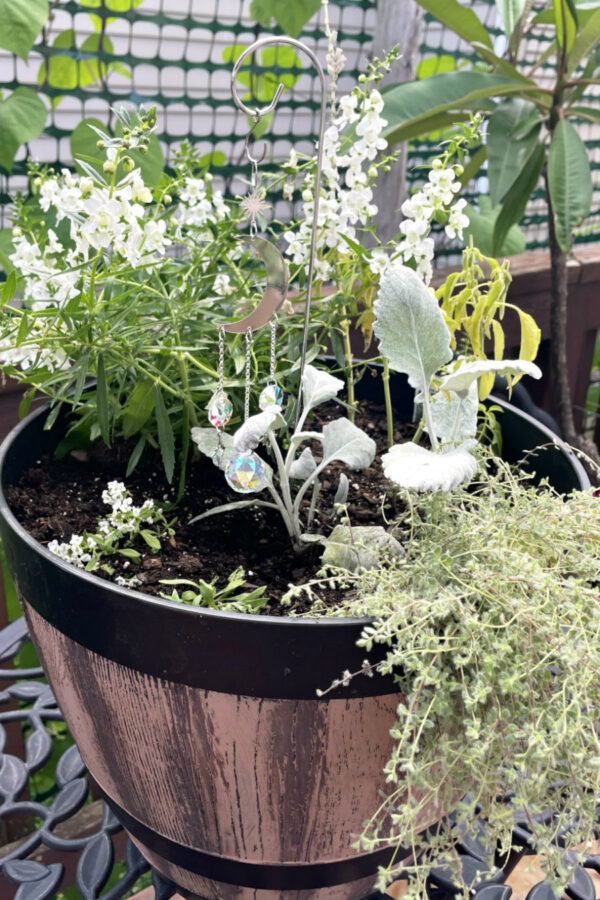
If your summer annuals aren't looking so hot, it's time to change out your pots. I usually pull the old plants from the soil, shake off any dirt, and toss them into my compost bin (by the way, now's a great time to start a compost bin, if you haven't already). Since I do a lot of fall planting, I'll reuse the same soil - as long as it's still draining well and I might add some fertilizer or compost to it. Any empty planters should be rinsed out with a hose and stored away once dried.

9. Order Cover Crop Seeds
Every year, we order cover crop seeds, like this, to plant once our garden is spent. It's a good idea to add a cover crop to your garden for a few reasons. It helps with soil erosion and keeps weeds down. But it also provides nutrients to your soil. Once it's turned over in the spring, all of that cover crop turns into food for your garden. Your soil will feel better than anything you could buy in the store!

10. Take Notes
Now is a good time to start a garden journal, if you haven't already. Jot down what worked and what didn't work in your garden this year. Keep a list of plants that thrived, the location they were in, and even write down plants you tried and wouldn't grow again. Keep track of anything different you did or new products you used. Take all the notes! You'll thank yourself come spring when it's time to plant again.
While there's still plenty of time left in the growing season (again, depending on your location), it's a great time to start preparing for the winter months. Just because your garden is ready to go into slumber mode for the cold months ahead, it doesn't mean the work is done. Yet! Get it ready for fall so it can rest (you too) during the winter months and spring back to life in springtime!