Love-Lies-Bleeding amaranth is more than just a gorgeous and dramatic flower in the garden. Learn three ways you can use it including cooking the leaves, harvesting the grain, and feeding wild birds.
This post may contain affiliate links. Making a purchase through one of these links helps support this blog.
One of my goals for our garden this year was to expand beyond the vegetable garden and grow even more edible plants. The wonderful world of plants includes so many unexpected edible flowers, including borage, calendula, sunflowers, pansies, and more.
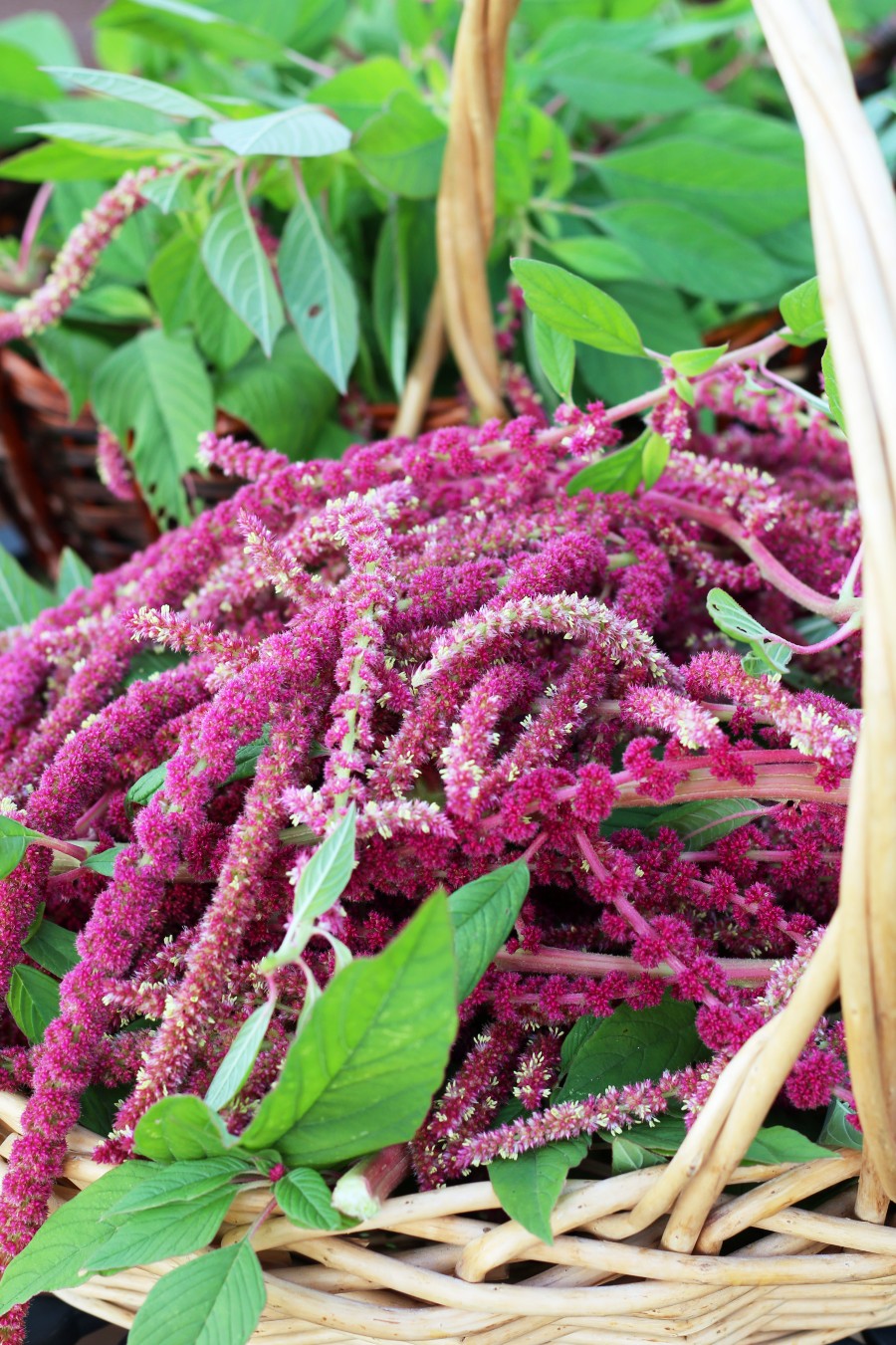
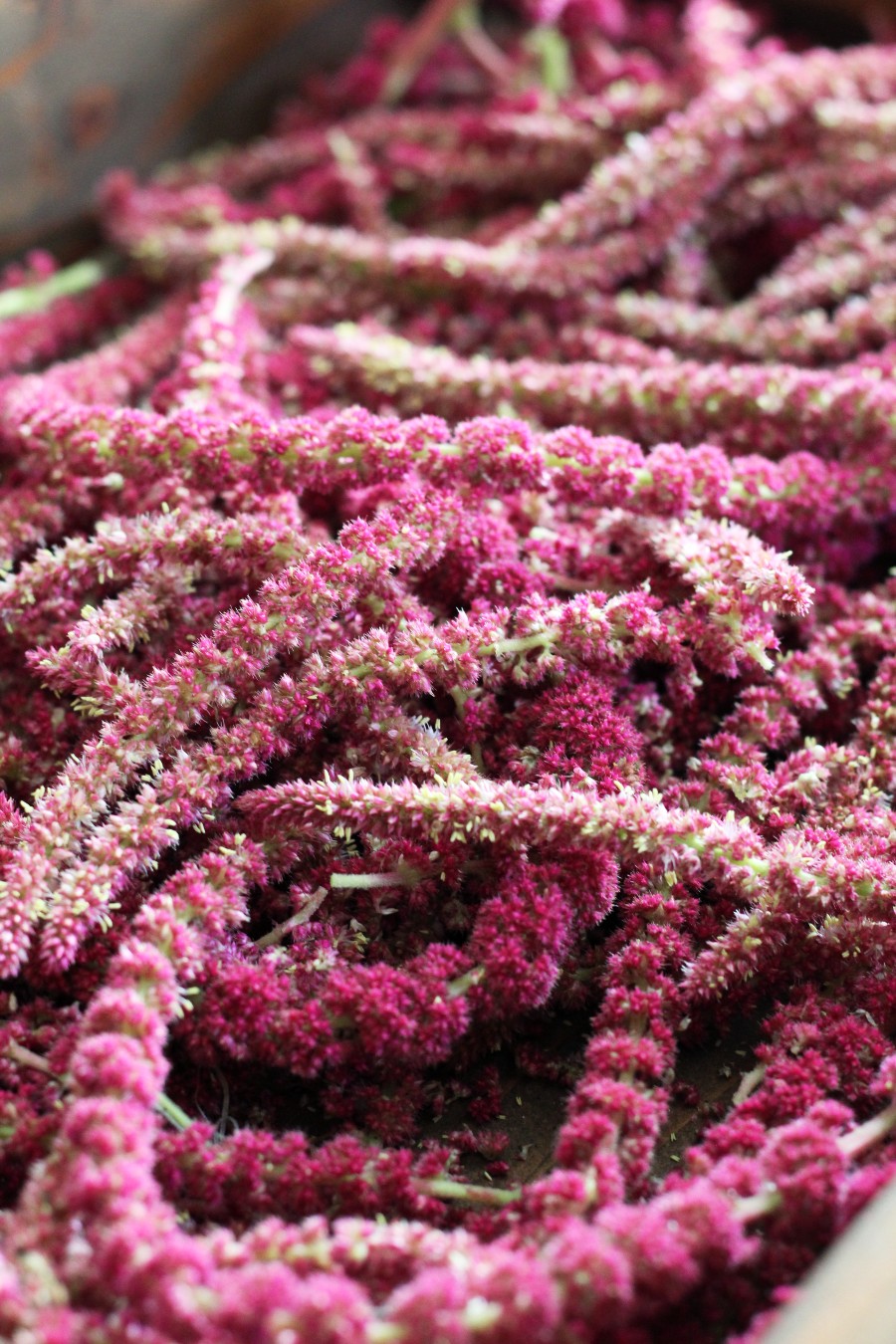
This year, I added a new-to-me edible flower to our pollinator patch. Love-Lies-Bleeding amaranth is a gorgeous, deep red flower with long, dramatic tassels. It's beautiful in homegrown cut flower bouquets, but what makes this plant even more interesting is that almost every part of it is edible.
Not only will I be using our amaranth in the kitchen this fall, but I also plan on leaving some behind for our backyard wildlife. Amaranth is grown as an annual in our garden, but it's also a prolific self-seeder, so I'm hoping we'll see some new plants pop up next spring. In the meantime, I plan on getting as much use out of this beautiful and versatile plant as possible.
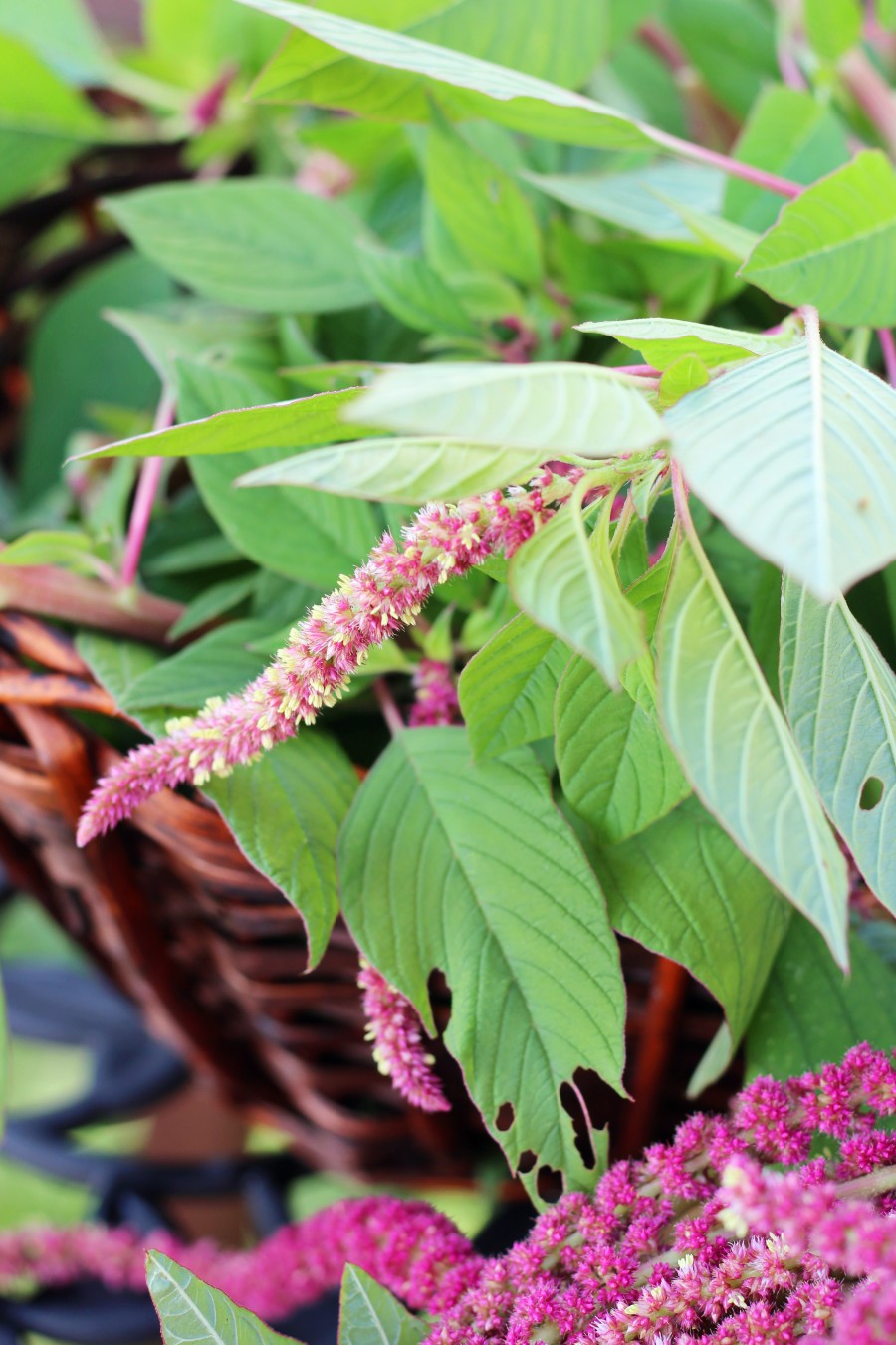
I originally planted Love-Lies-Bleeding because I loved its cascading flowers. I had no idea I'd end up loving this plant for so many other reasons. Its edible leaves can be cooked like other leafy greens, while amaranth grain is packed with protein, fiber, and essential minerals. And as summer turns to fall, any dried seed heads left in the garden can provide wild birds with a natural, high-energy food source.
3 Ways I'm Using Amaranth from My Garden this Fall
Before we dive into the three ways I'm using my amaranth plants, a quick note about harvesting. If you're growing amaranth in your garden, make sure to harvest from healthy plants that haven't been treated with pesticides or other products not intended for edible crops. Wash the leaves thoroughly before cooking, and rinse and completely dry harvested grain before using or storing it.
1. Cooking with Amaranth Leaves
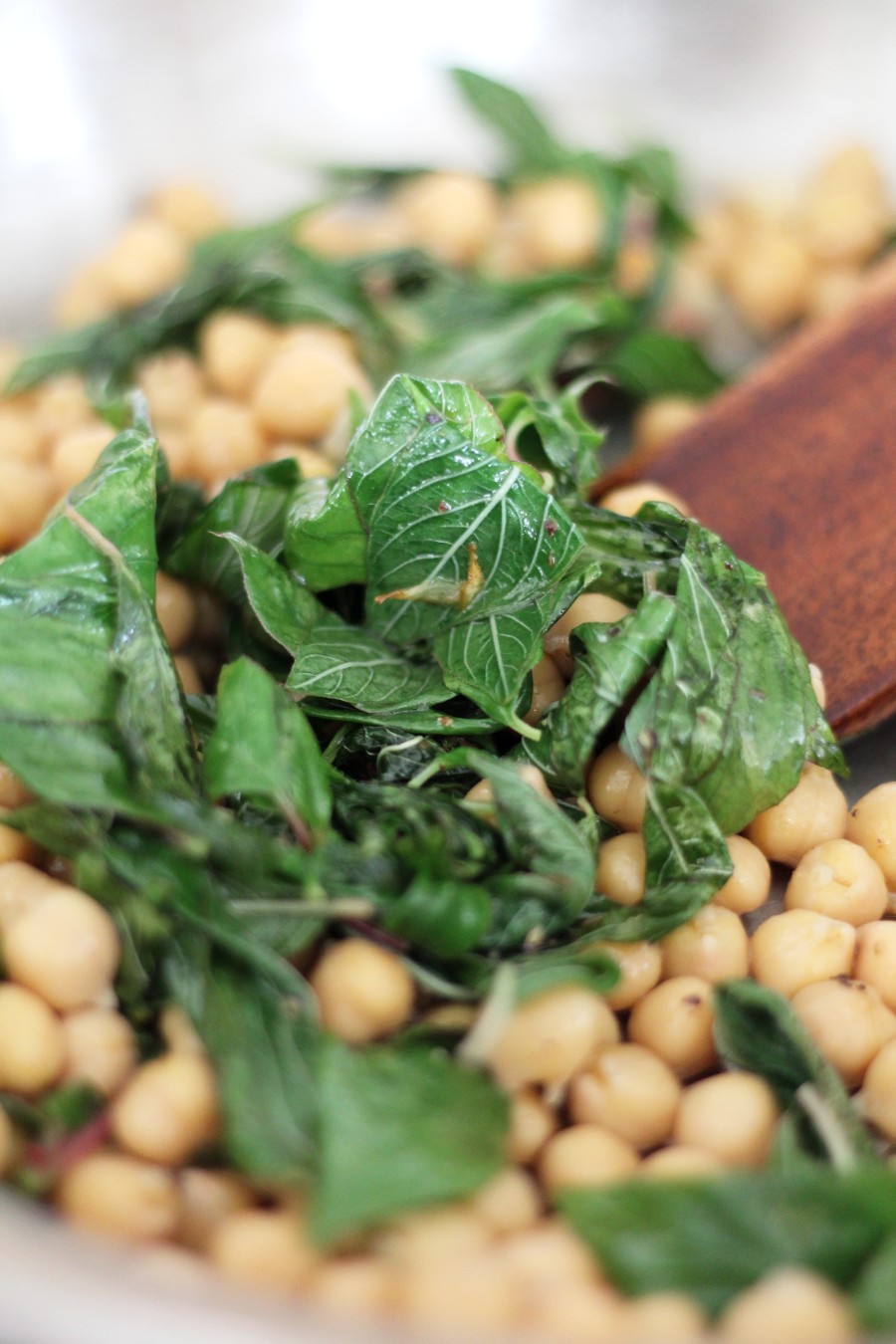
One of the first ways I used amaranth was by harvesting the leaves. Younger leaves are preferred as more mature leaves tend to be bitter. The leaves can be cooked just like spinach or other leafy greens. Saute them in olive oil, add them to soups and stews, or stir into pasta.
Recently, I used some of my amaranth leaves in a quick and delicious chickpea dish. I sauteed the leaves in olive oil with garlic and onion. Then, I added my chickpeas, salt, pepper, and a little crushed red pepper. So simple, but so incredibly tasty!
2. Harvesting Amaranth Seeds for Grain
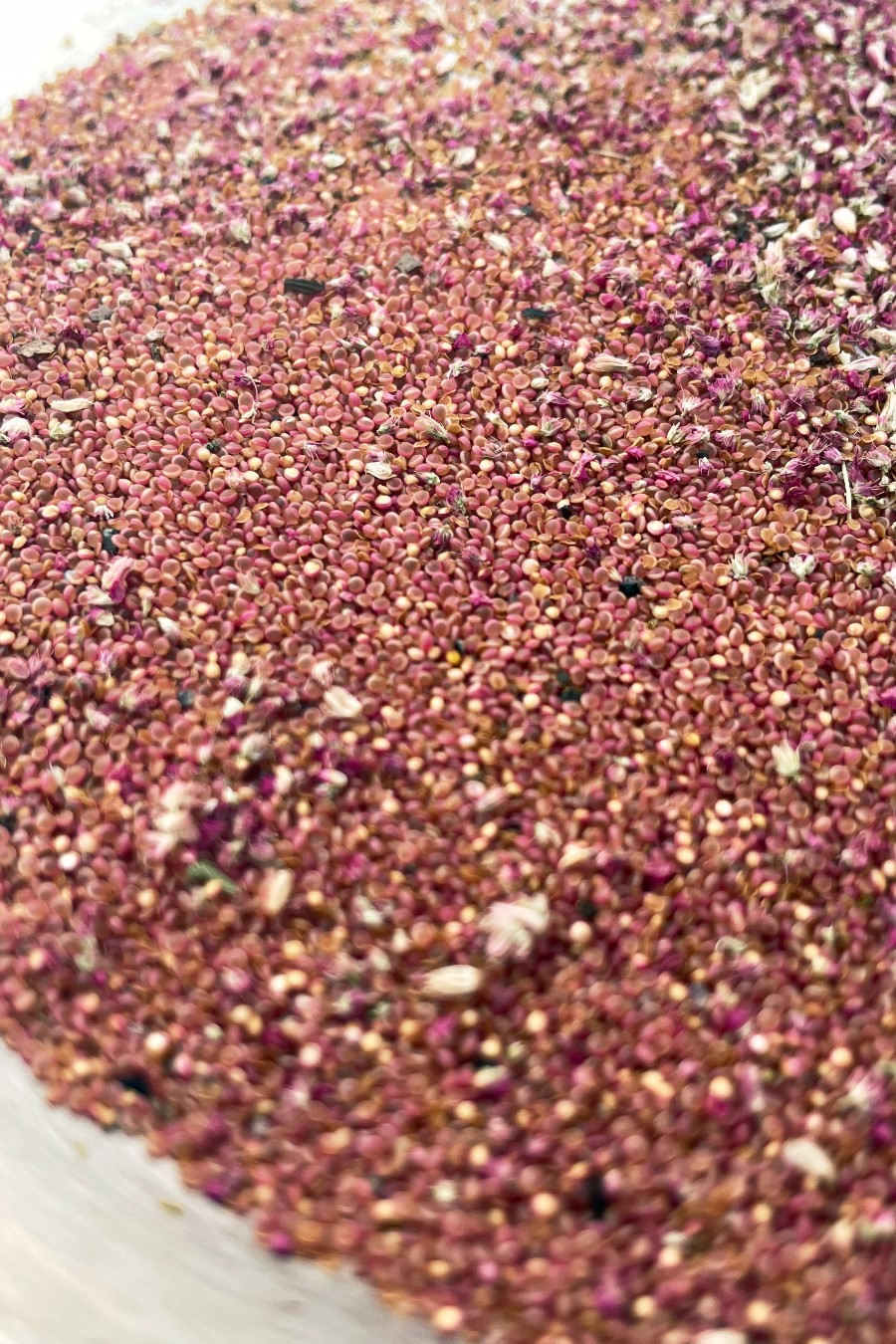
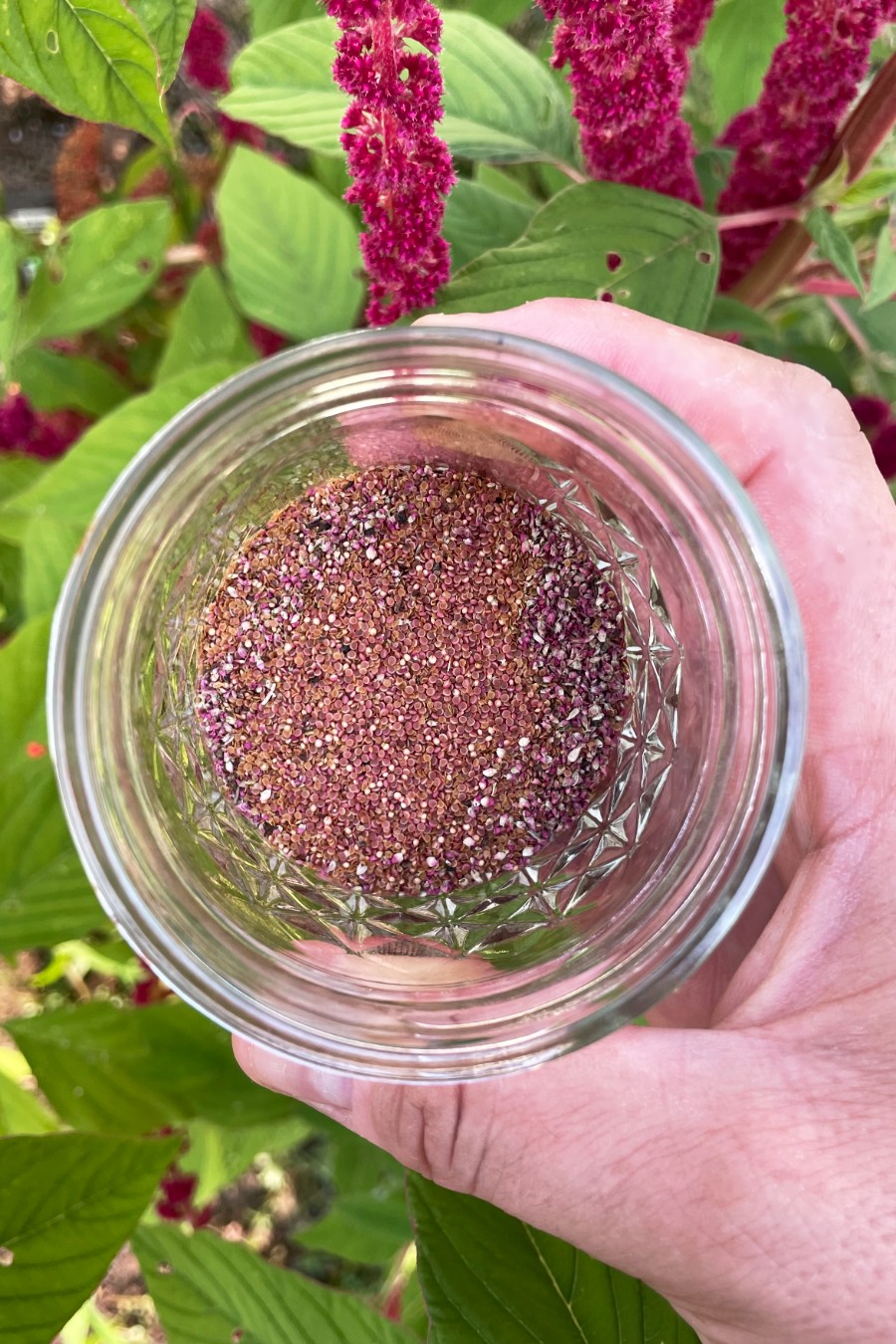
This might be the part of growing amaranth that I was most excited about. I recently trimmed back our amaranth plants and cut several flower heads to dry. Once dried, I was able to rub the flower heads between my hands to release the tiny seeds.
Then, I separated the seeds from the dried plant material in a process called winnowing. I did this outside on a slightly breezy day. I sifted the mix of seeds and plant material between two bowls and while doing that, the breeze blew away the light plant waste. The heavy seeds remained on the bottom of the bowl.
After cleaned and dried, the grain is stored in airtight containers for future use. It'll be cooked like porridge or used in grain bowls. I'm excited to try popping it like popcorn as a fun snack and topping.
3. Leaving Dried Flower Heads for Birds
With three amaranth plants growing in our pollinator patch, I have more than enough to share with wildlife. So while I'll continue to harvest some of the flower heads and leaves for myself, I plan on leaving quite a bit behind for the birds.
Leaving some of the plants standing in the flower patch also means less fall cleanup. I'm allowing parts of the garden to remain a little wild so the dried stems and seed heads can provide food and shelter. Even after the growing season, the garden can still serve a purpose.
Growing Love-Lies-Bleeding this year has given me a new appreciation for edible plants. From cooking the leaves to harvesting the tiny seeds to use as a grain and leaving plenty of the dried flower heads behind for the birds, there are so many ways to enjoy this beautiful plant. And hopefully, if a few seeds find their way into the soil, we'll get to appreciate this flower all over again next year.