Create a magical moon garden container that glows under the moonlight and attracts nighttime pollinators using a mix of fragrant, nectar-rich, silver and white flowers like white angelonia, salvia, sweet alyssum, dusty miller, and creeping thyme.
This post may contain affiliate links. Making a purchase through one of these links helps support this blog.
The birthday gifts I picked out for myself this year were very wildlife-centered. I subscribed to my bird feeder's app services, renewed my NWF membership, and we put up a bat house in our backyard. It's something I've wanted to do for a few years now and just never got around to it. While it might take a year or two for bats to find and inhabit the house, I know they're in the area, which is promising.
Here in New Jersey, we have brown bats. And while some people might find them creepy, I find them to be extremely beneficial. Bats are natural pest control, eating more than half their body weight each night. Their diet consists of insects like mosquitoes, destructive beetles, and moths, making them more than welcome to roost in our yard.
While I've done plenty of work in our backyard for daytime pollinators - like the bees and butterflies - I wanted to take care of the nighttime shift as well. Moon gardens are a beautiful and beneficial way to attract nighttime pollinators such as bats, moths, and fireflies. The gorgeous combination of white and silver flowers shine under the moonlight while fragrant flowers draw the pollinators in with their scent.
Plants to Grow in Your Moon Garden Container
With a wall of moonflowers already growing alongside our deck (large, white, fragrant flowers that bloom at night with a vining habit), I wanted to create something a bit more compact. So I put together a moon garden container. The container sits on the same side of the deck as the moonflowers and will hopefully provide another source of food for both daytime and nighttime pollinators.
There are plenty of flowers that can be grown in a moon garden. Although, if you're creating one now, the choices at the garden center might be limited (early fall plants are already starting to appear in garden centers near me). However, I was still able to find a few plants to add to my garden, plus split some that I already had growing in the yard. Here is a list of flowers and plants that would work well in a compact moon garden container:
- White Angelonia: Reflects moonlight
- White Petunias: Reflects moonlight and pollinator-friendly
- White Salvia: Reflects moonlight and pollinator-friendly
- Sweet Alyssum: Reflects moonlight, pollinator-friendly, and fragrant
- Dusty Miller: Reflects moonlight
- Garden Sage: Reflects moonlight and fragrant
- Creeping Thyme: Reflects moonlight, pollinator-friendly, and fragrant
- Diamond Frost Euphorbia: Reflects moonlight
- White Calibrachoa: Reflects moonlight
- White Verbena: Reflects moonlight and pollinator-friendly
- Silver Artemisia: Reflects moonlight and fragrant
- White Coneflowers: Reflects moonlight and pollinator-friendly
- Lavender: Reflects moonlight and fragrant
- Common Yarrow: Reflects moonlight and pollinator-friendly
How to Create a Moon Garden Container
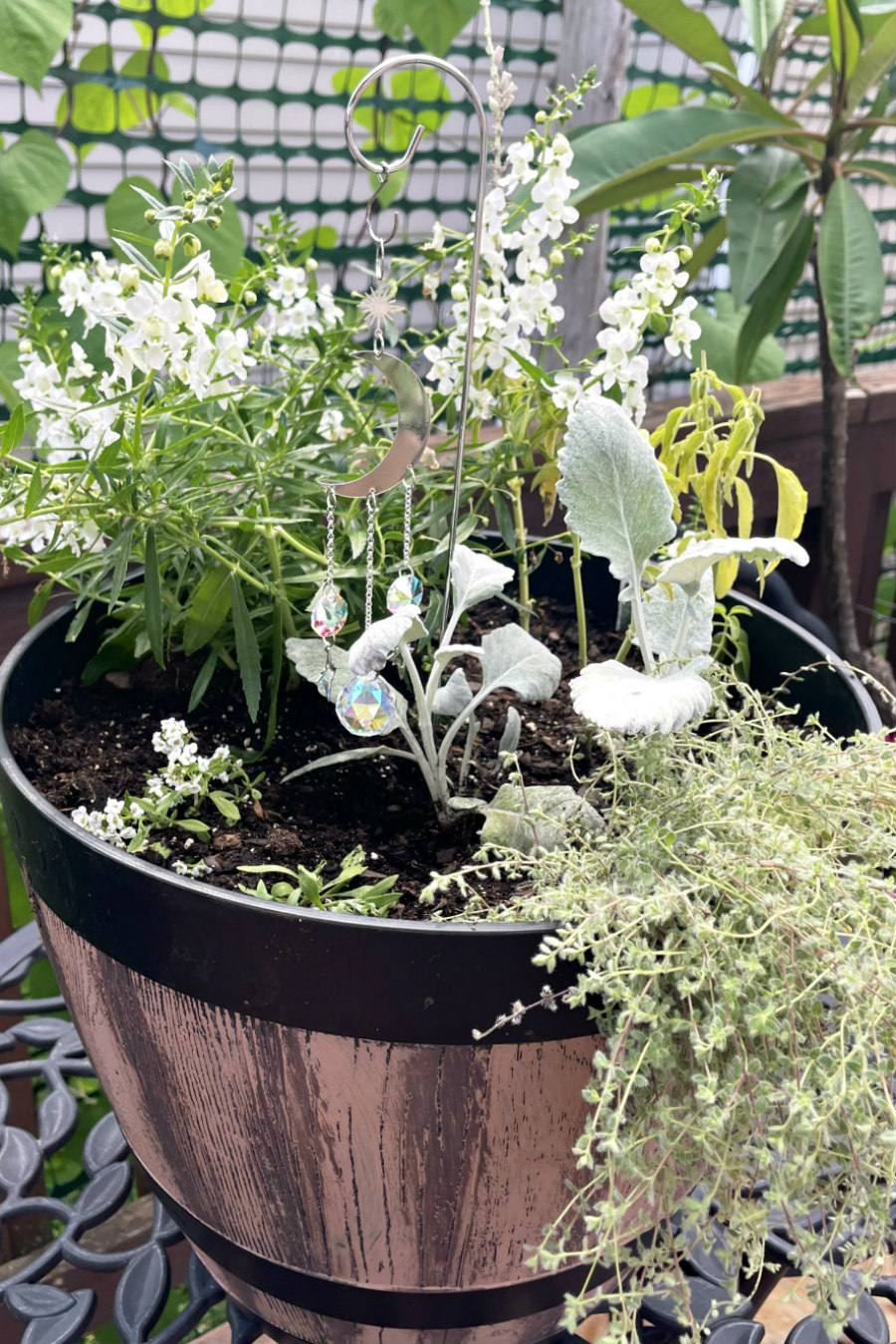
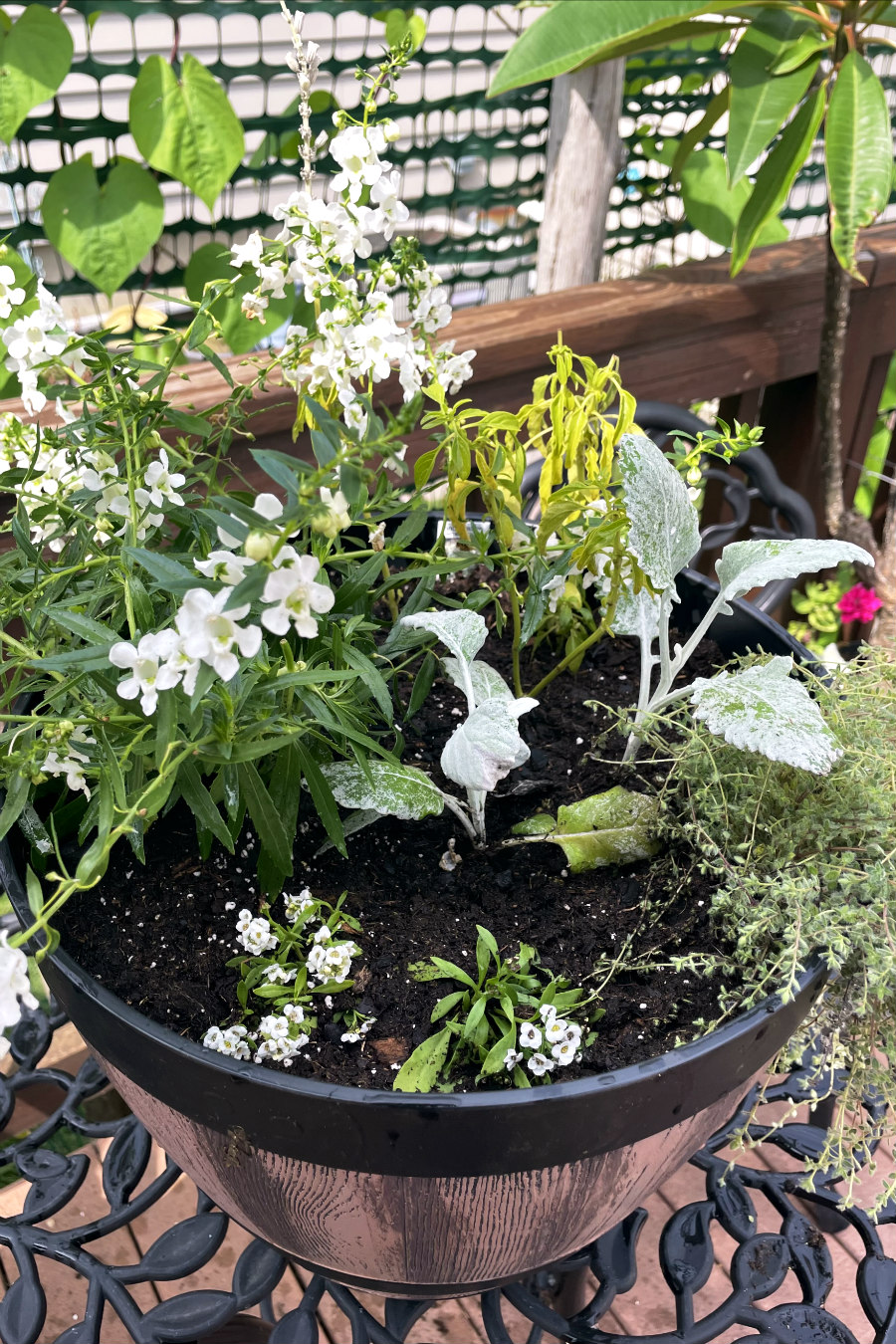
For my moon garden container, I used a mix of white and silver thriller, filler, and spiller plants. While all of the plants will shine under the moonlight, some provide nectar, some are fragrant, and some are there just for aesthetics. But together, they create a pretty and beneficial container garden for a patio, steps, or deck.
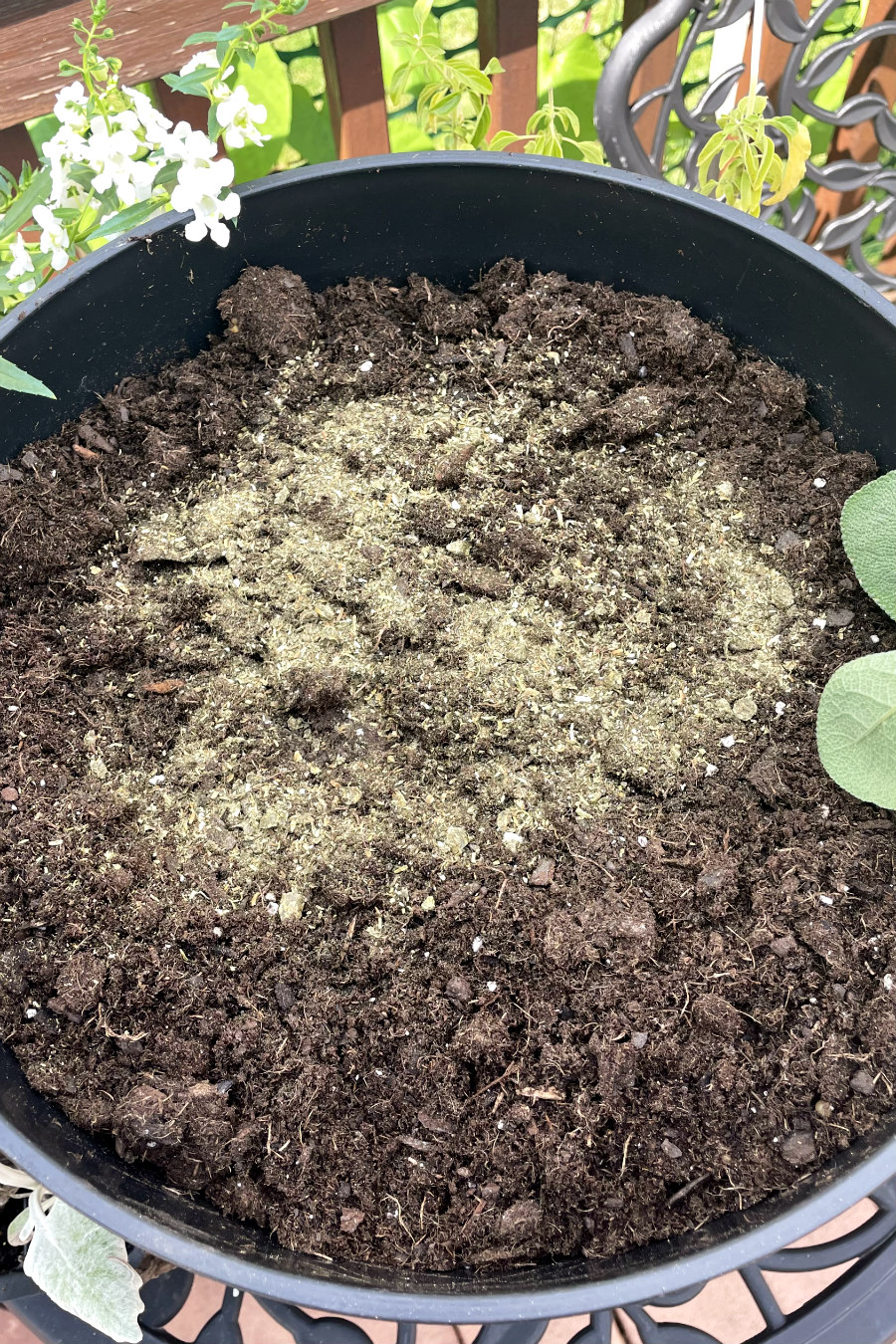
To start my container garden, I filled my planter with potting soil. Since it's a little later in the season and we're pushing for a second round of blooms with some of these plants, I decided to add a light sprinkle of fertilizer and mix it into the soil.
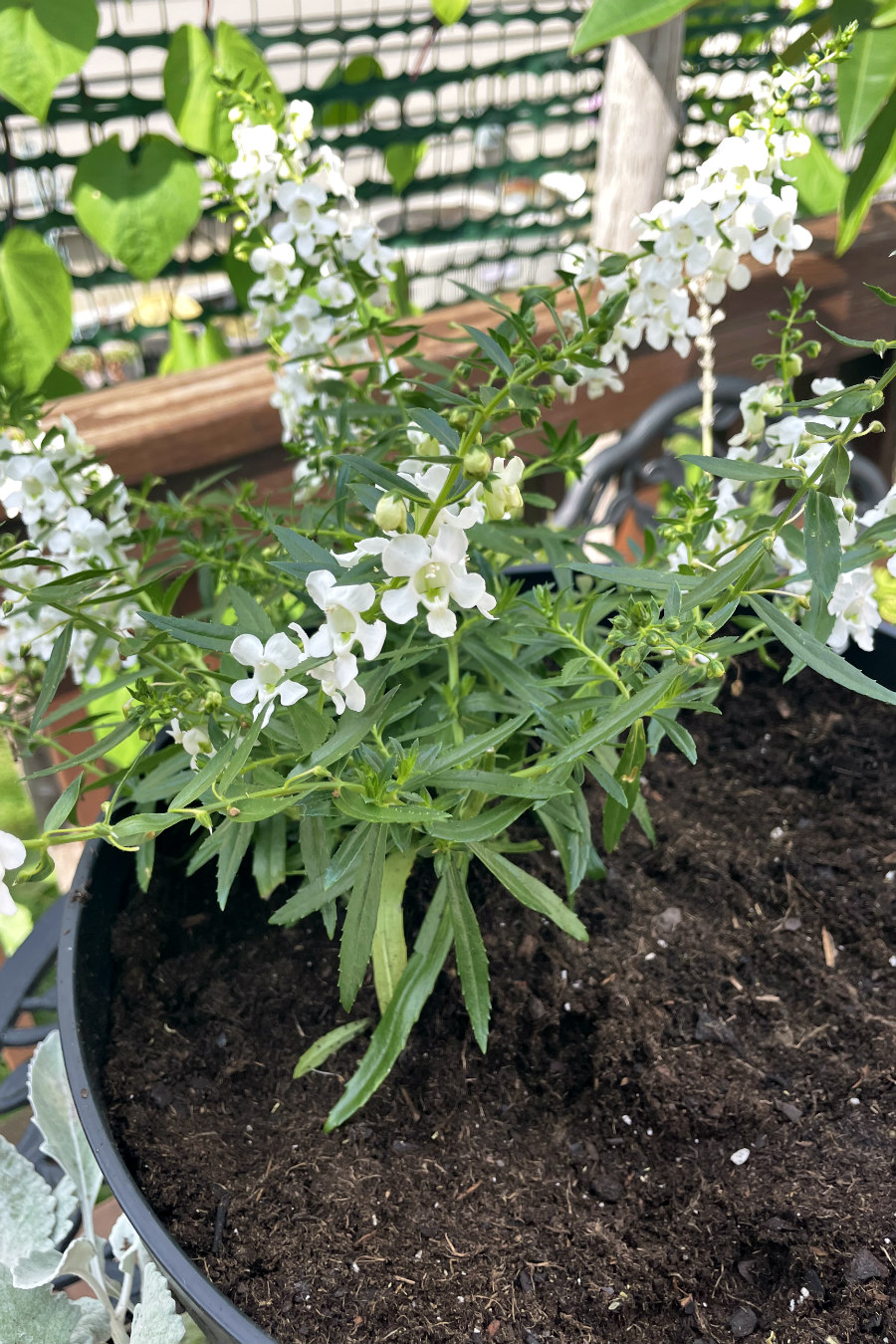
Then, I started planting the tallest flowers in the back. First, the white angelonia.
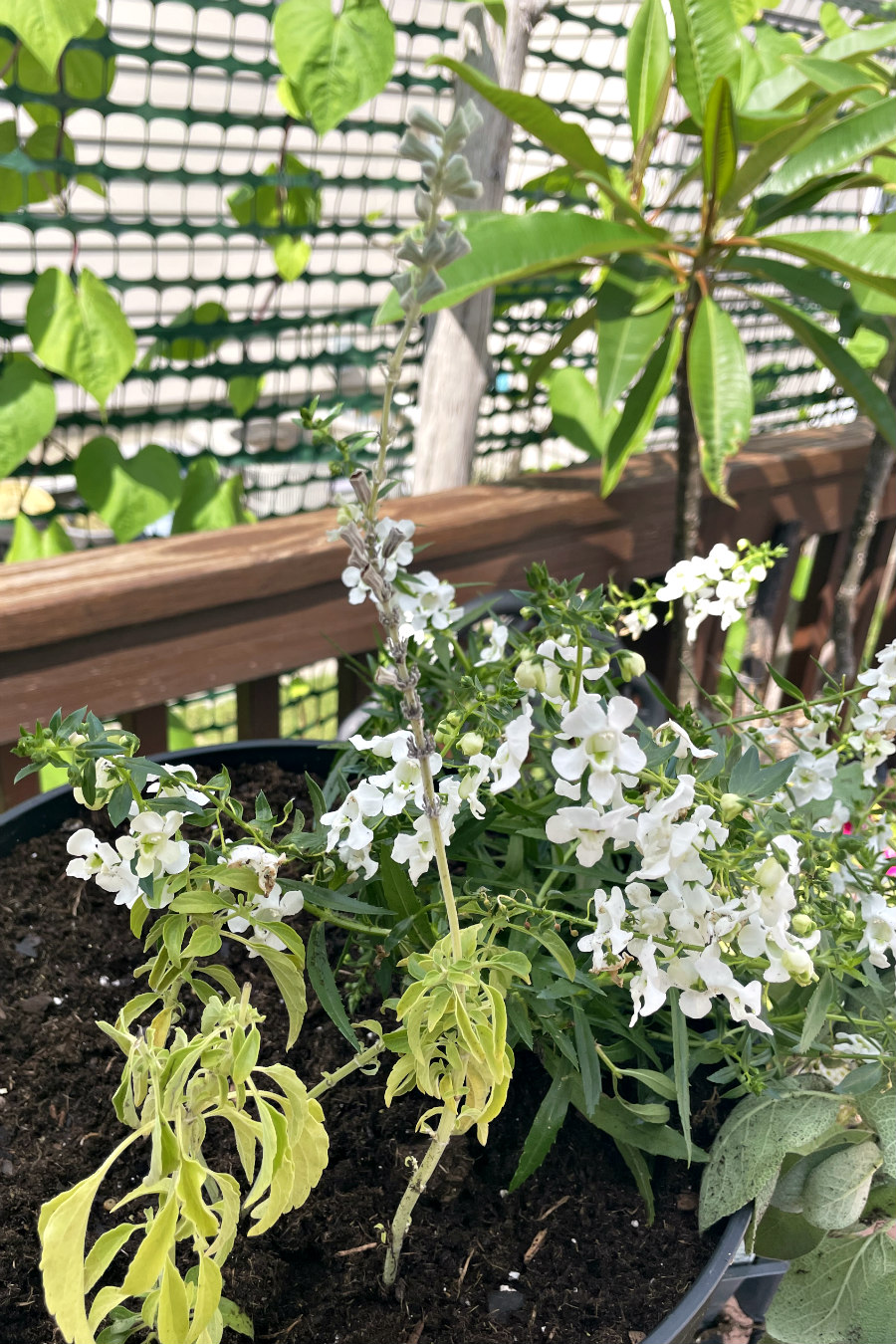
After cleaning up the white salvia plants, I planted them on the other side of the white angelonia in back.
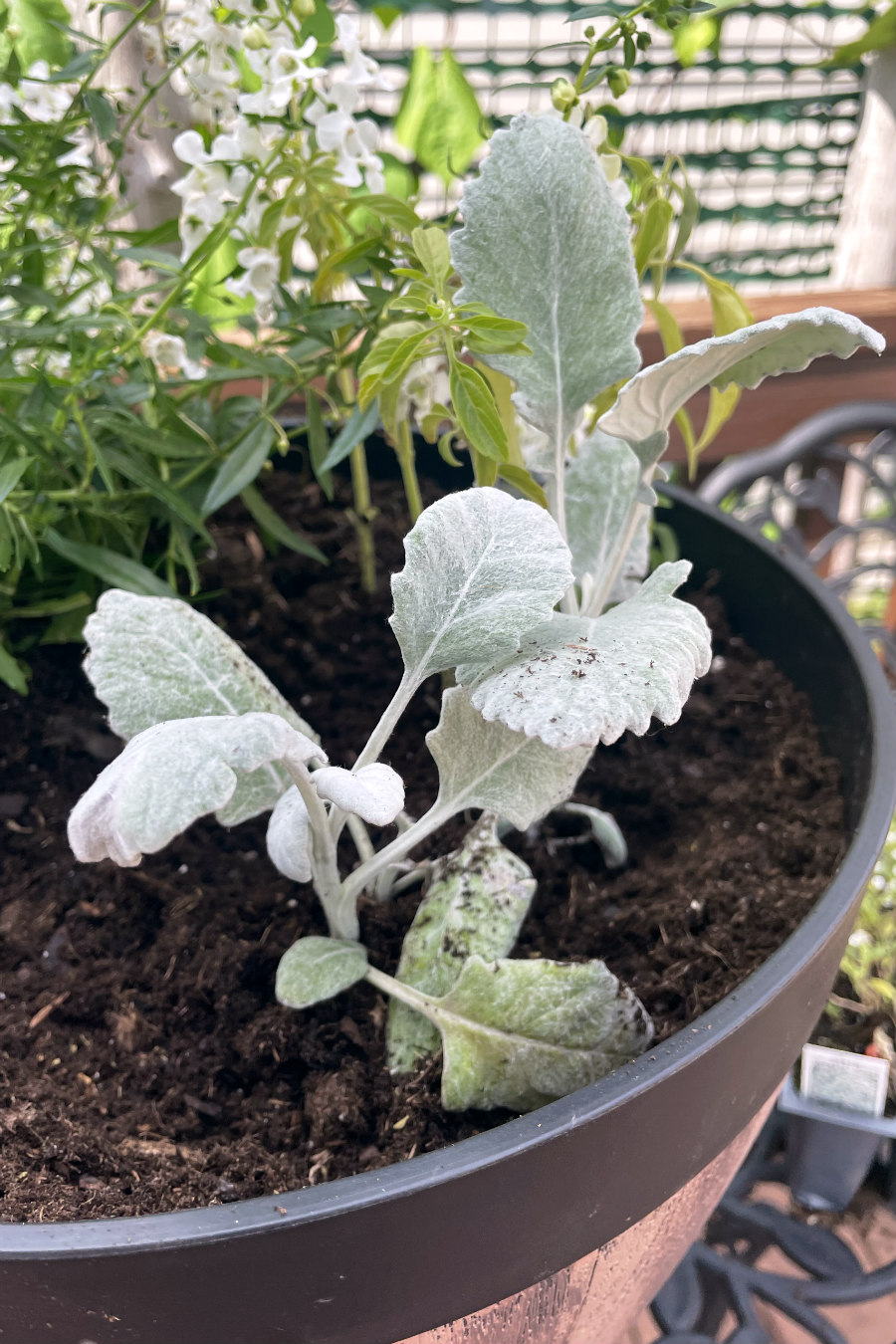
Next, I added the dusty miller for a touch of silver.
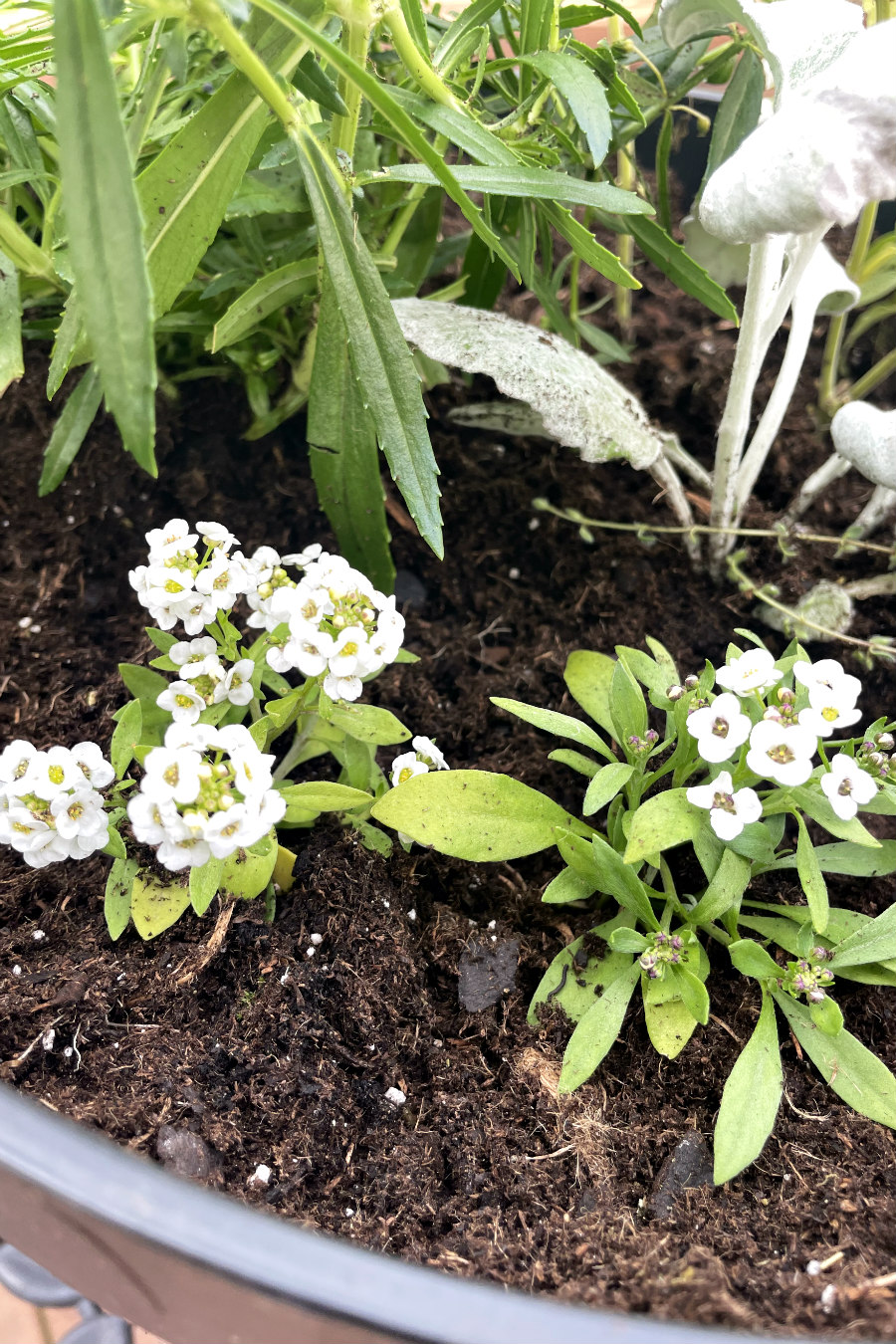
Then, I planted the sweet alyssum, which has become one of my favorite flowers to grow. I love their honey-like scent (and so do pollinators)!
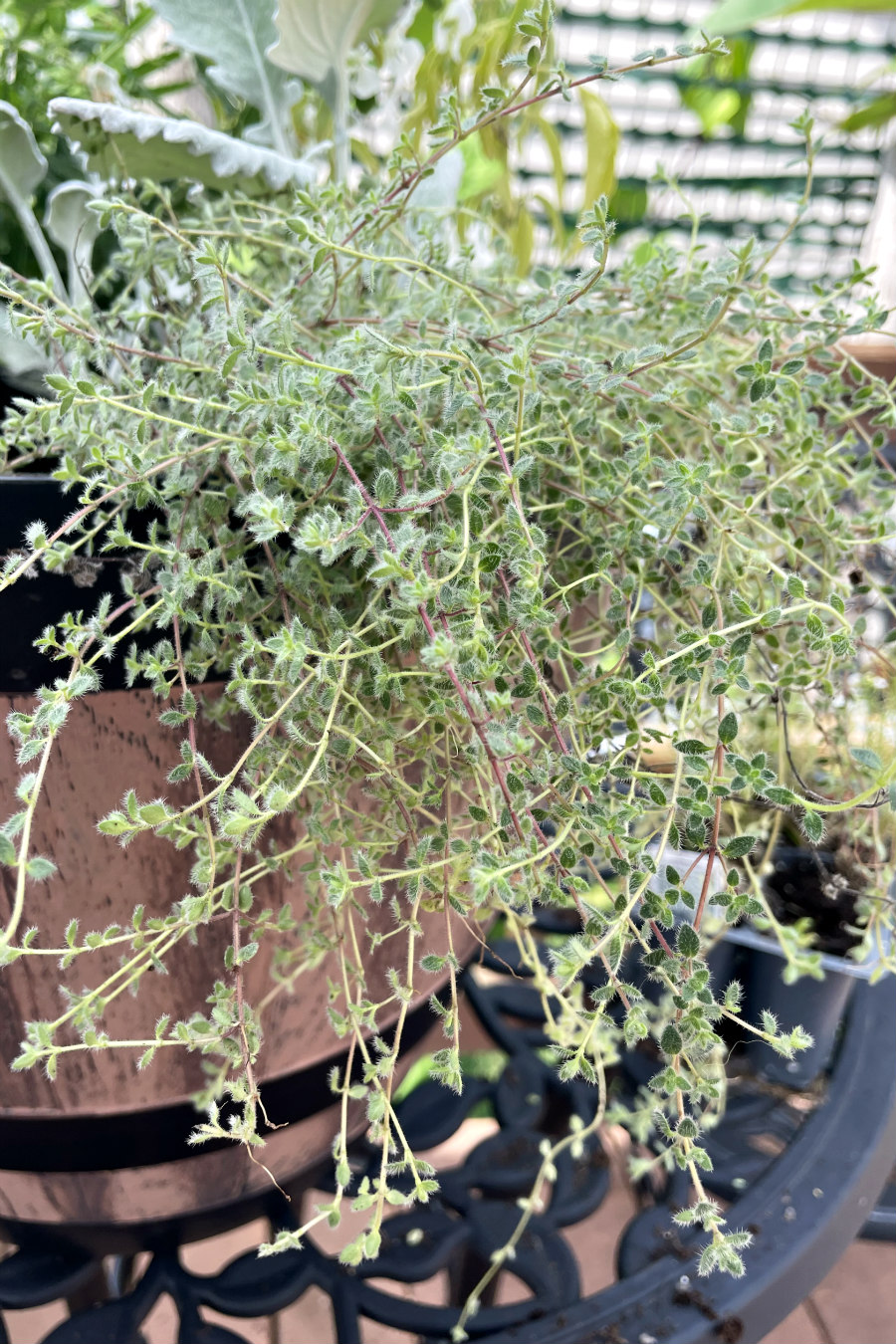
Last, I took some creeping thyme from another planter and added it as a silvery spiller.
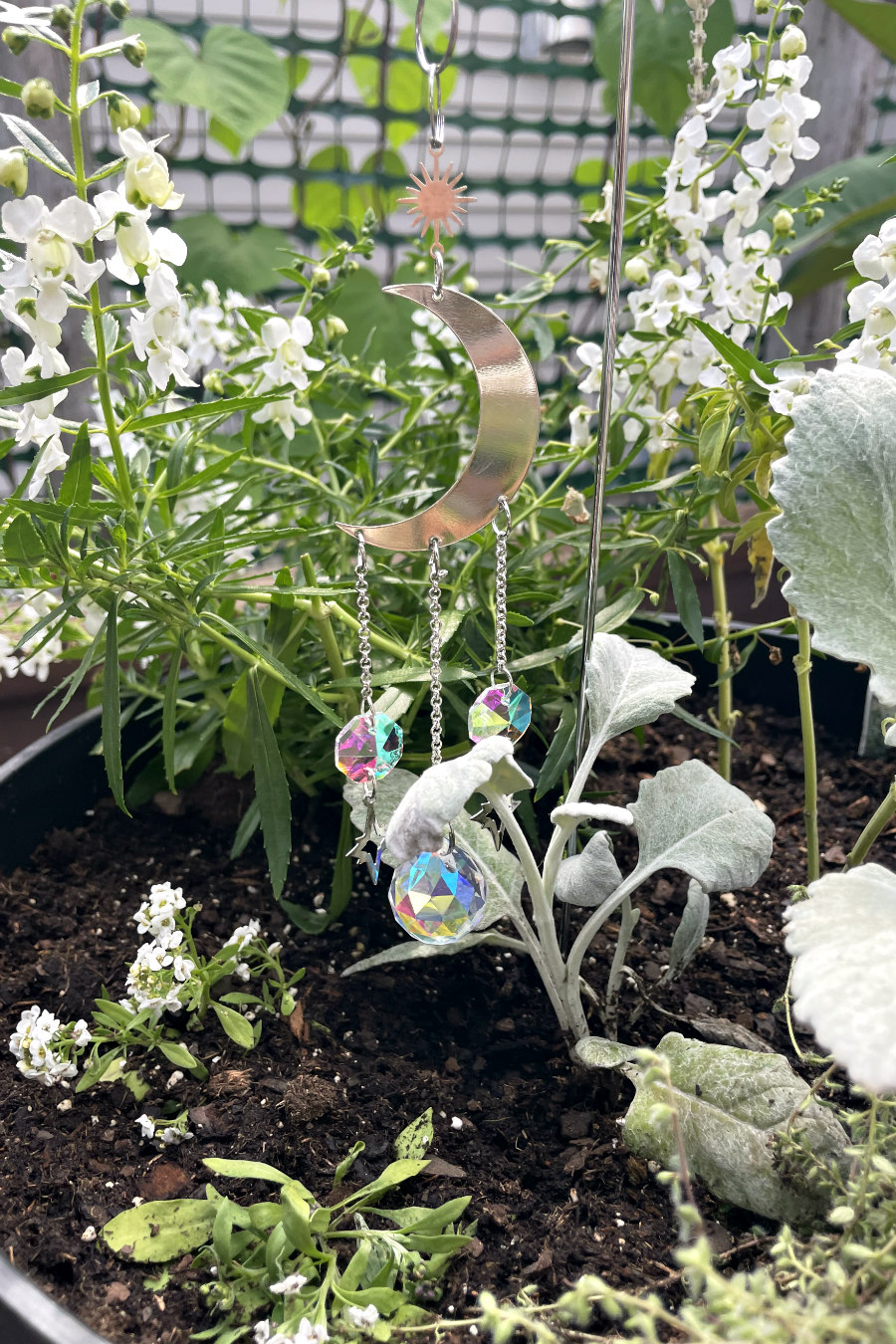
I finished the container garden by adding a beautiful celestial moon garden stake and watered it thoroughly. Then, I placed it in a sunny spot on the deck near our moonflowers.
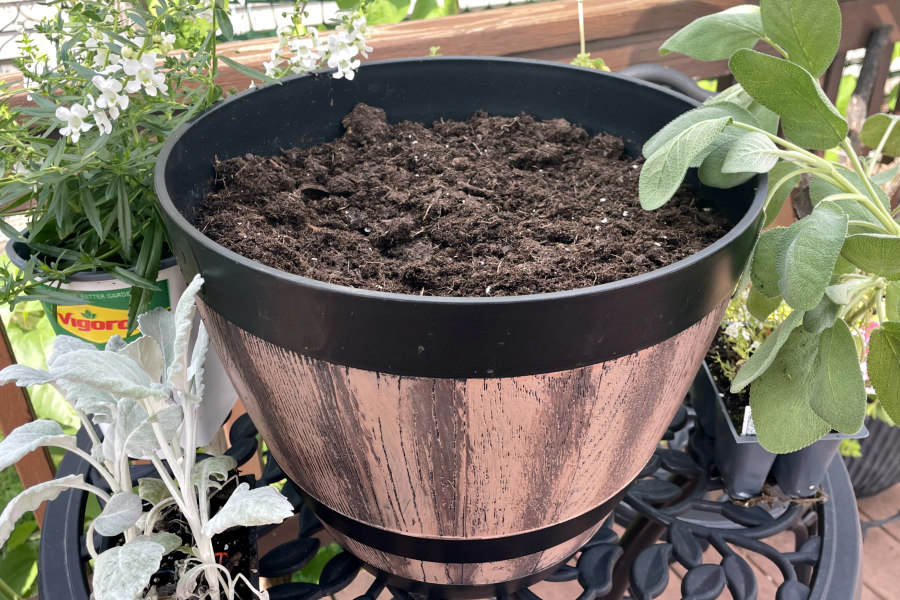
SUPPLIES
- 12-18" container
- Potting soil
- Optional: all-purpose fertilizer
- A mix of fragrant and nectar-rich silver and white flowers and plants
- Optional: moon garden stake
STEPS
- Make sure your container has drainage holes in the bottom. If not, add a few to the pot. Then, fill it with standard potting soil. If desired, add a sprinkle of all-purpose fertilizer and mix into the soil.
- Plant the tallest flowers in the back. Then, add the fillers and spillers.
- If desired, add a celestial moon garden stake to the planter.
- Water thoroughly and set in a sunny spot in your yard.
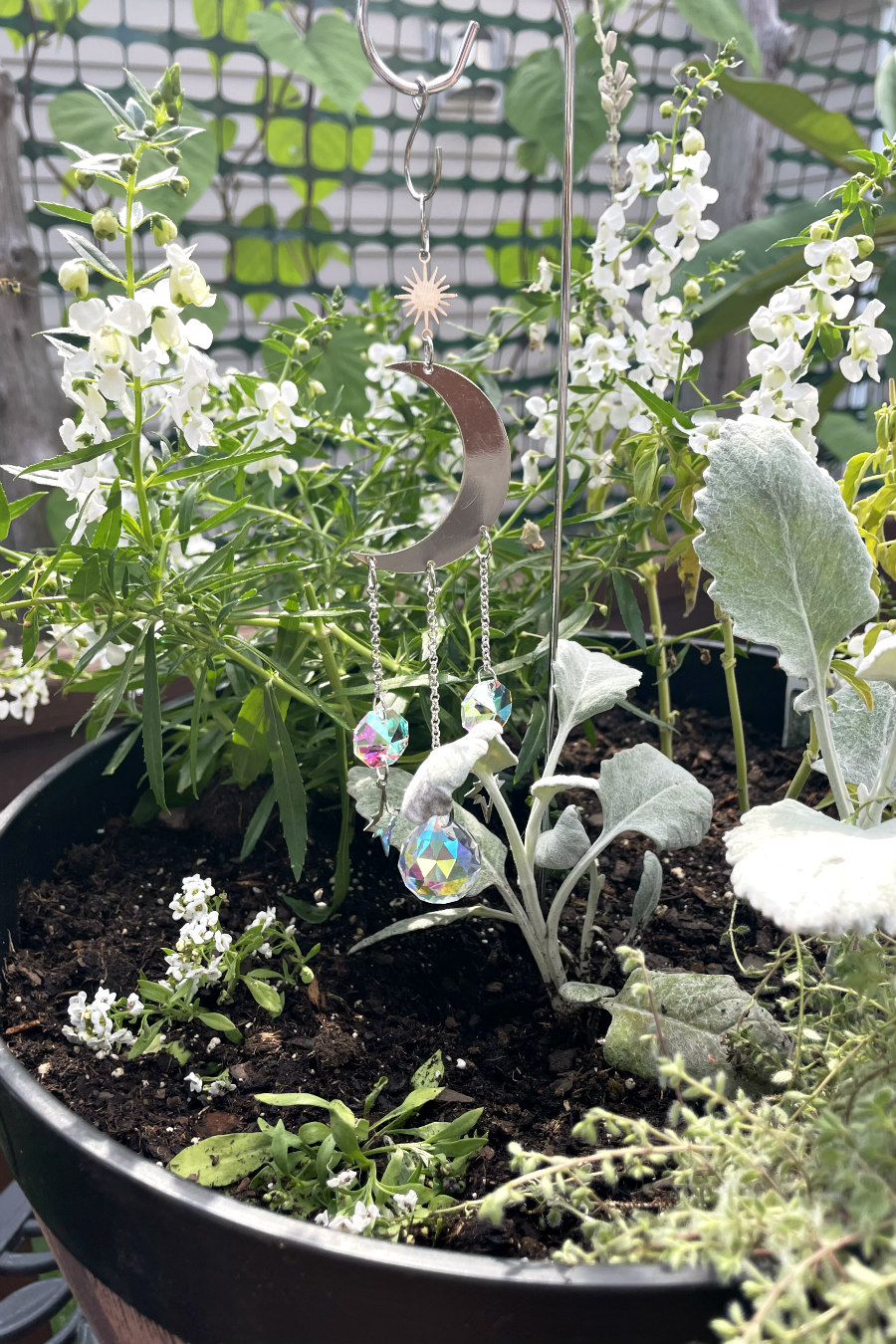
Most of the flowers I used will continue to bloom up until the first frost here in Jersey, adding some late season interest to the yard. I'm just happy to have another pollinator-friendly container garden in the yard - this time, hopefully attracting more beneficial nighttime pollinators.
Did you make this Moon Garden Container project? Share it on social media using the hashtag #holokahome. Don’t forget to tag me @holokahome!