Keep your garden buzzing well into fall with these 10 pollinator plants that bloom in autumn. Not only do they provide an important source of nectar for bees, butterflies, and more, they’ll also add beautiful color to your fall landscape.
This post may contain affiliate links. Making a purchase through one of these links helps support this blog.
I have been planting with a purpose this year. Not only did I want to add more color to our pollinator garden, but I wanted to choose flowers that would bloom throughout different seasons. As summer turns to fall, I feel it's especially important to provide nectar sources for our buzzing bees, migrating monarchs, and other pollinators. It's like a "last call" for food before the winter arrives.
Adding late-blooming flowers to the garden not only provides an important food source for pollinators, but also adds gorgeous fall color to the yard.
It's easy to picture pollinator gardens buzzing with activity in the spring and summer. But just because fall arrives doesn't mean the garden's season is over. Even if you don't have a dedicated pollinator garden, adding a container of annuals or perennials - or even allowing some herbs to bloom - can help provide pollinators with an important source of food later in the growing season.
With a little planning, we can keep the fall garden buzzing well into autumn. For instance, this time of year, stores and garden centers are bursting with colorful mums. While they're a beautiful part of fall landscaping, many varieties aren't a significant food source for pollinators. But there are plenty of other plants that can add fall interest to the yard and garden while providing a late-season food source for bees, butterflies, and other pollinators.
10 Pollinator Plants That Bloom in Autumn
While I'll use any excuse to head to the local nursery, you don't need dozens of different plants to create a fall pollinator garden. Even adding just a couple of late-blooming flowers can support pollinators. Whether you're growing your fall flowers in a pot or a patch, the goal is simply to create a beneficial autumn garden.
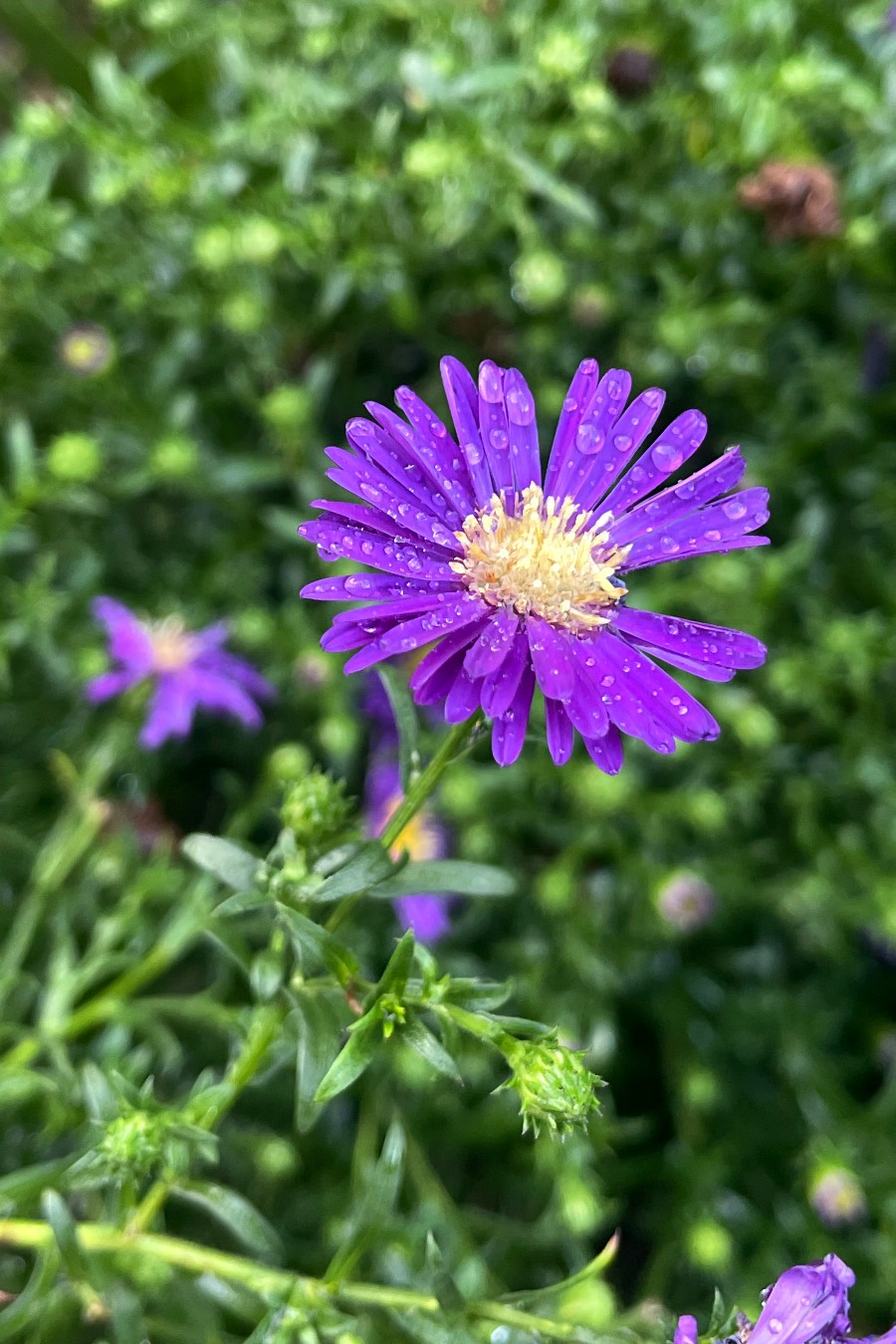
1. New England Aster
Head to any garden center this time of year and you'll see these purple flowers tucked in amongst the rainbow of mums. Their daisy-like flowers are an excellent nectar source for bees and butterflies. These popular autumn flowers are perennial in zone 7b.
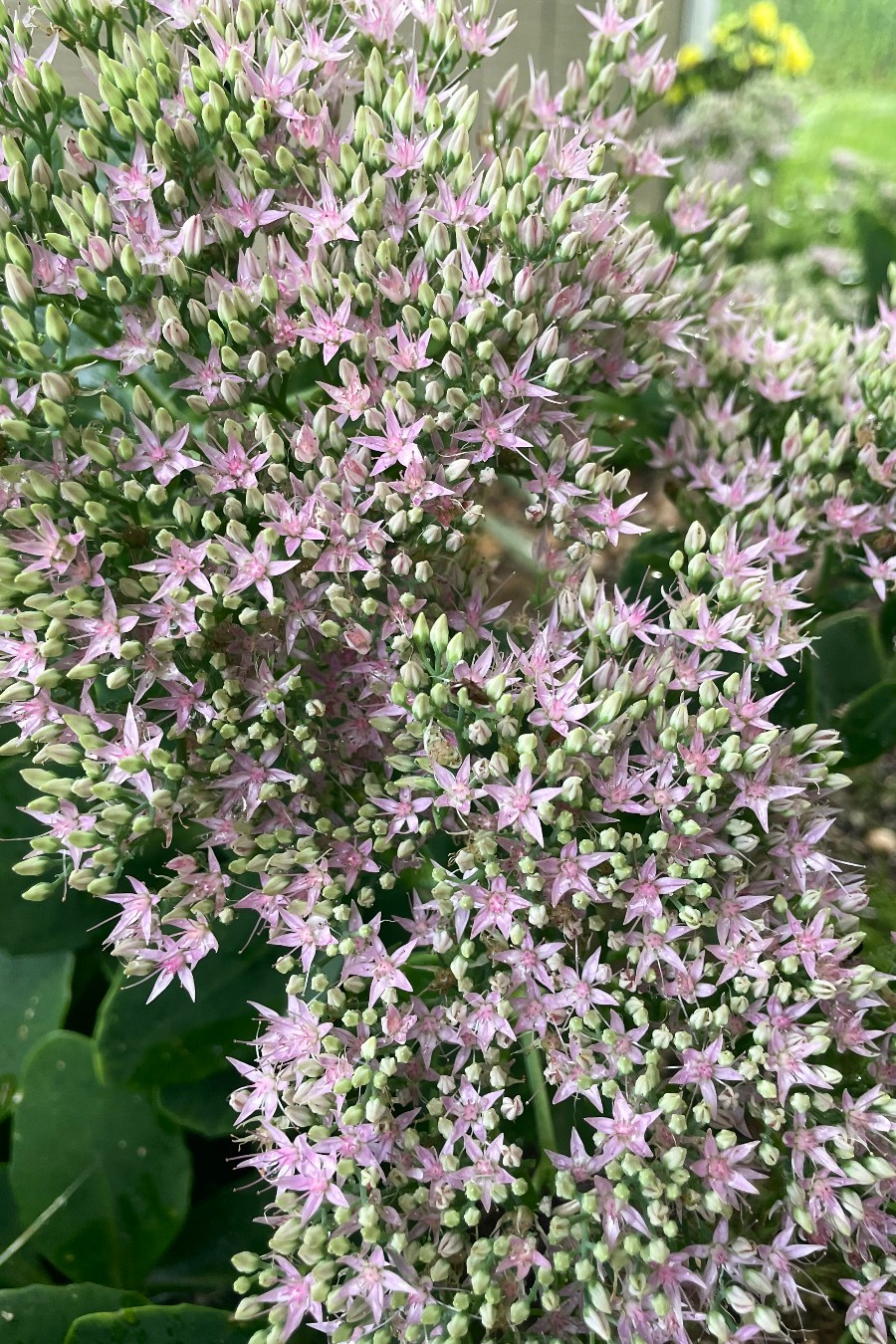
2. Sedum
One of the easiest ways to add late-season interest to the garden is with sedums. The leaves are an excellent source of water for birds during the summer months. As autumn arrives, the flower clusters appear and start to bloom. They're drought tolerant and incredibly low-maintenance.
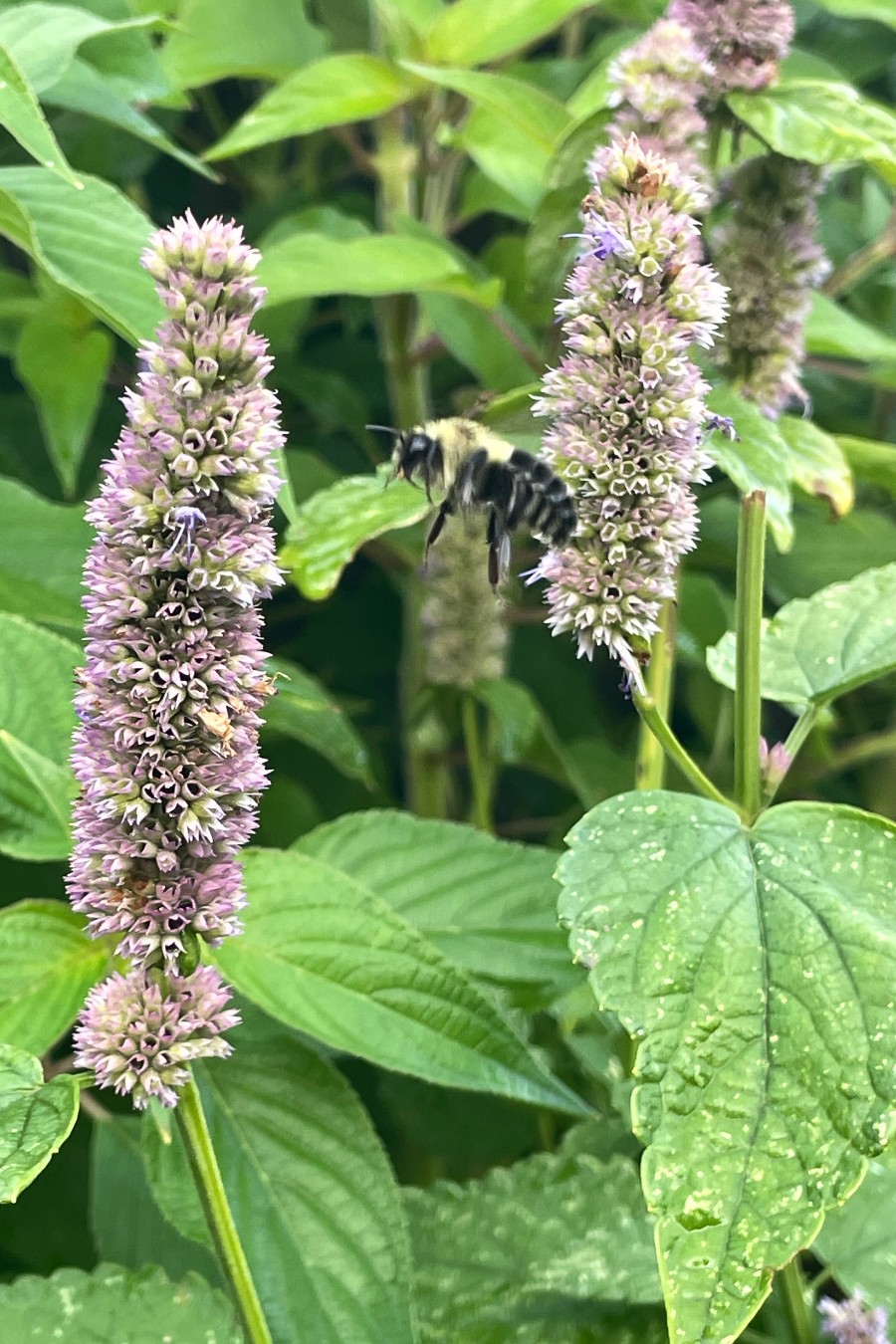
3. Anise Hyssop
Anise hyssop has quickly become one of my favorite plants in our pollinator garden. It begins blooming in summer and continues into fall, with tall flower spikes that attract bees and butterflies. Once the season is over, the leaves smell amazing and can be dried to make tea.
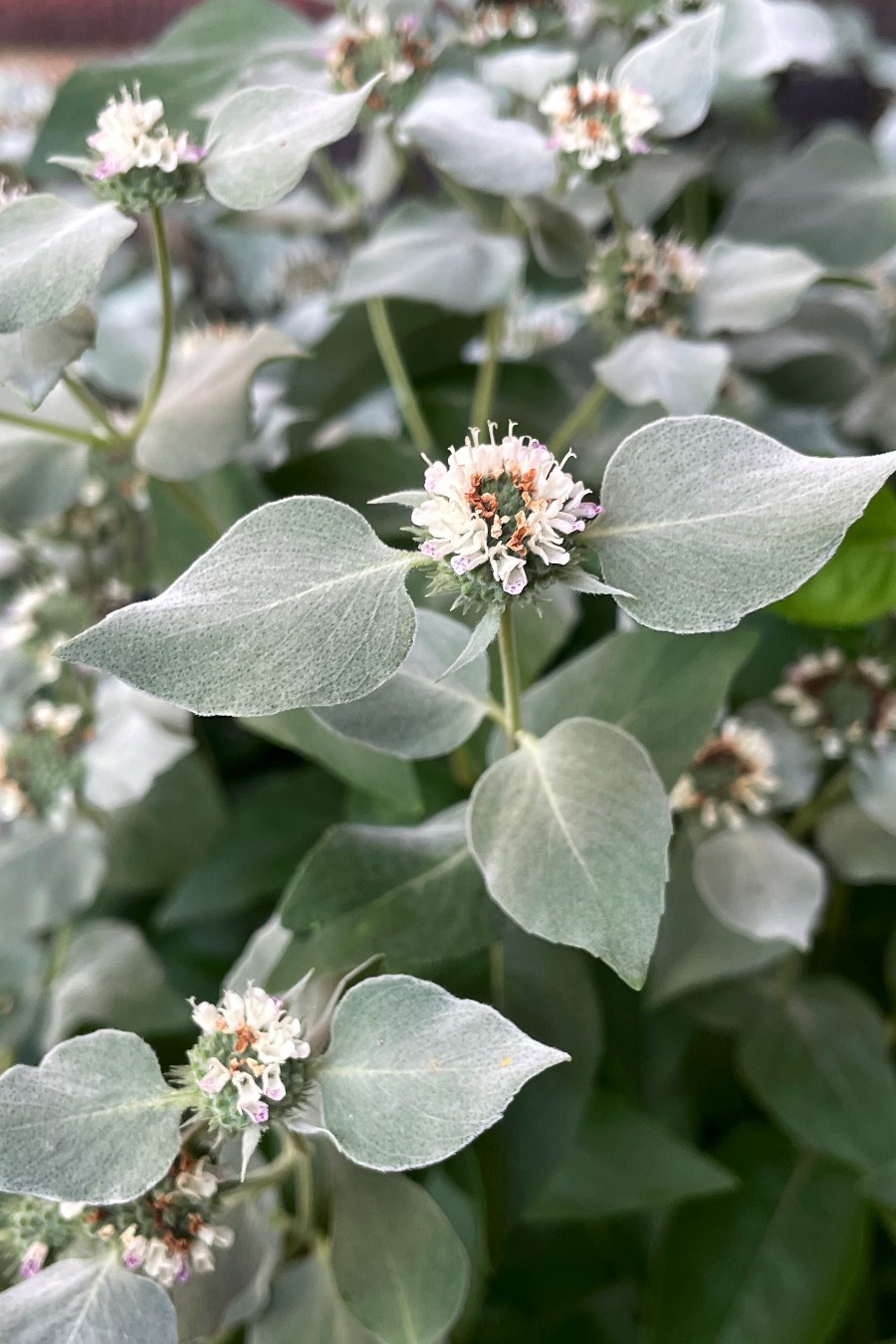
4. Mountain Mint
I added mountain mint to our yard a few weeks ago, and it's already blooming with tiny clusters of white flowers. The flowers attract a variety of pollinators, and blooms can extend into late fall. While it doesn't spread as vigorously as garden mint, mountain mint can still spread, so plant it somewhere with room to fill in.
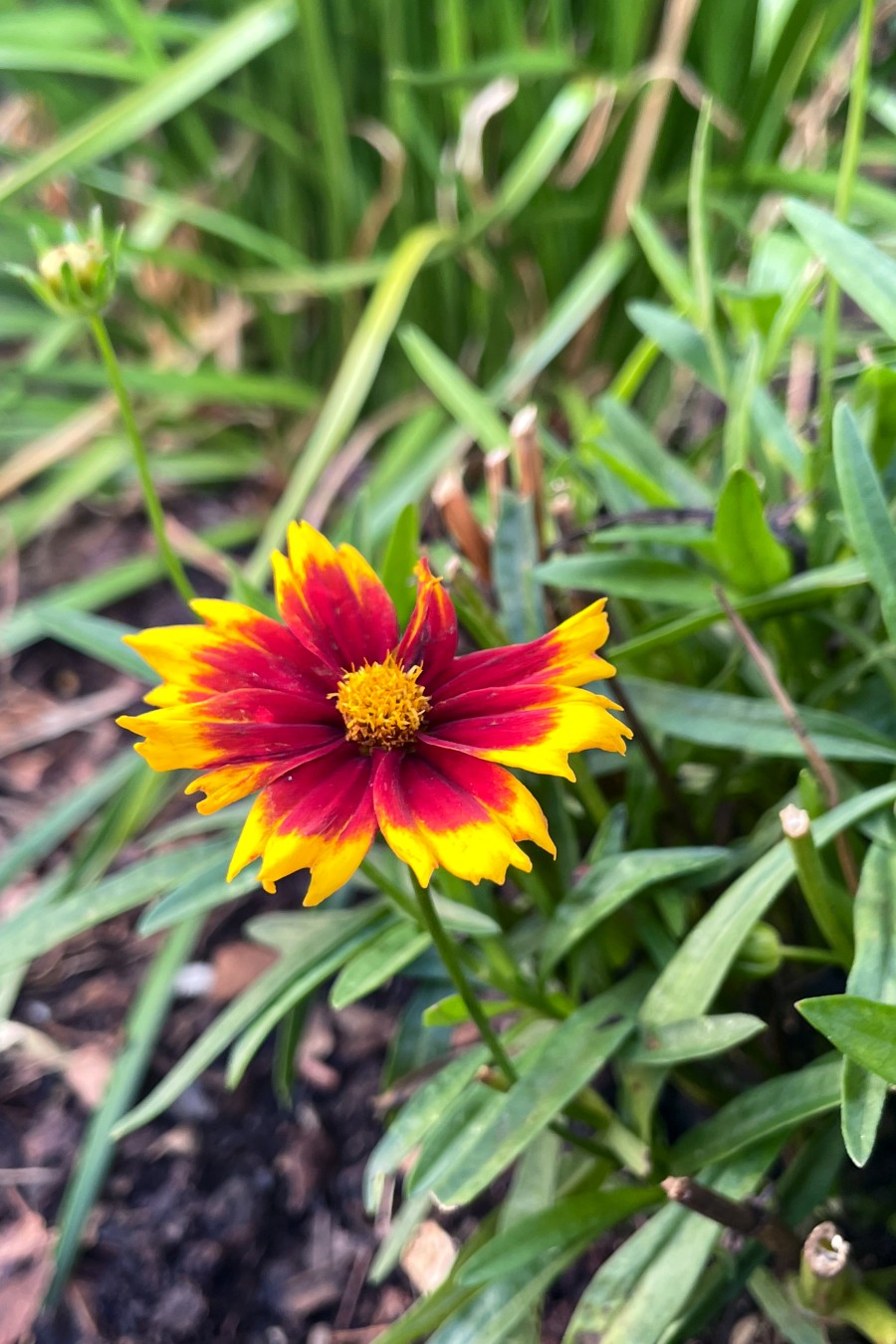
5. UpTick Red Coreopsis
While UpTick Red Coreopsis begins to bloom during the summer, its striking red and yellow flowers continue well into fall. I just added this plant to our pollinator garden to break up the abundance of purples and pinks I have growing. The colors are perfect for fall landscapes, and the flowers attract bees and butterflies.
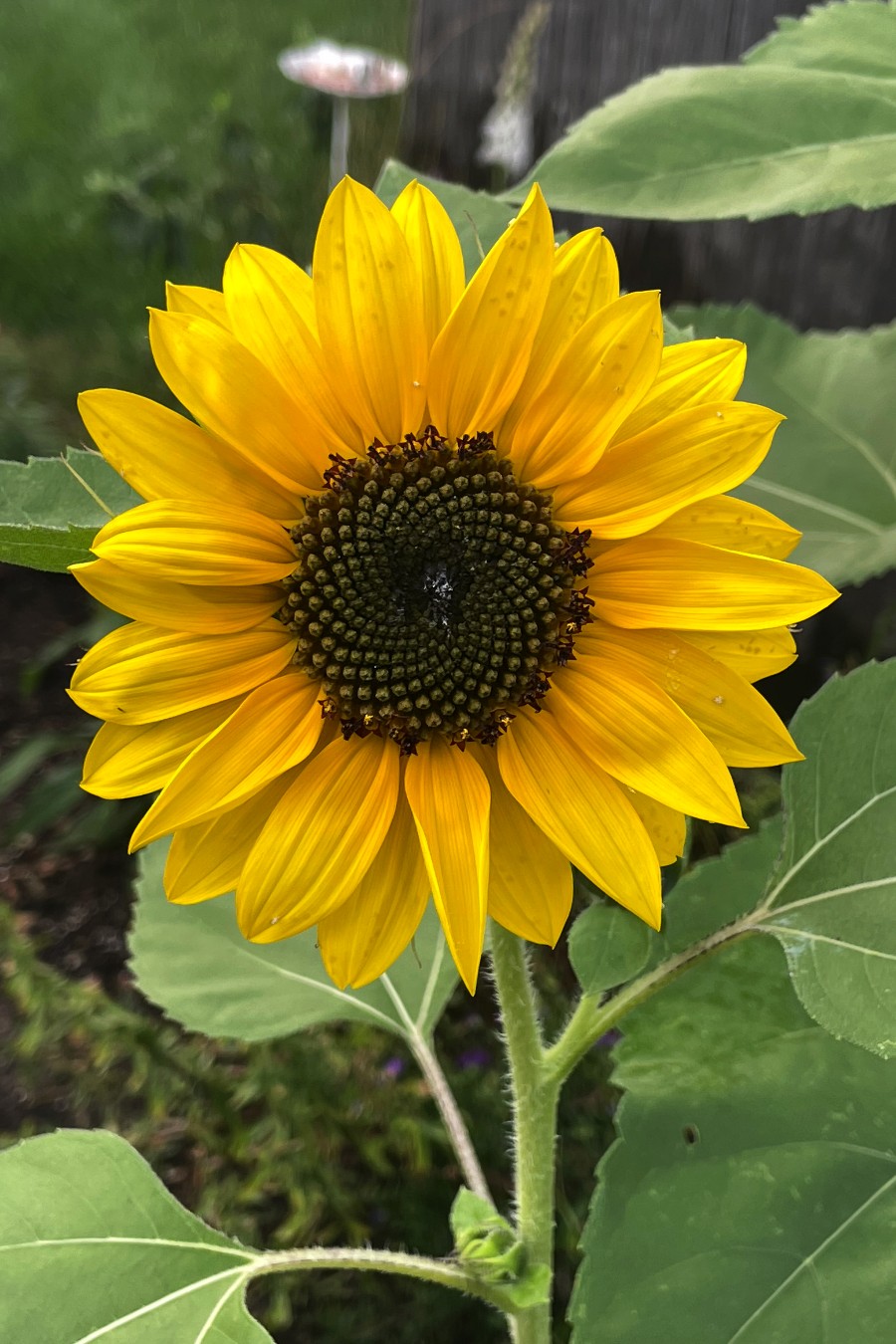
6. Sunflowers
Sunflowers are a major photo op at farms this time of year, and I just so happen to have some blooming in my yard at the moment. While my summer sunflowers are starting to dwindle, a couple new ones have popped up in my pollinator patch, thanks to some dropped bird seed. The bees go crazy for them, their large seed heads provide food for birds, and the sturdy plants also give butterflies a place to perch as they move through the garden.
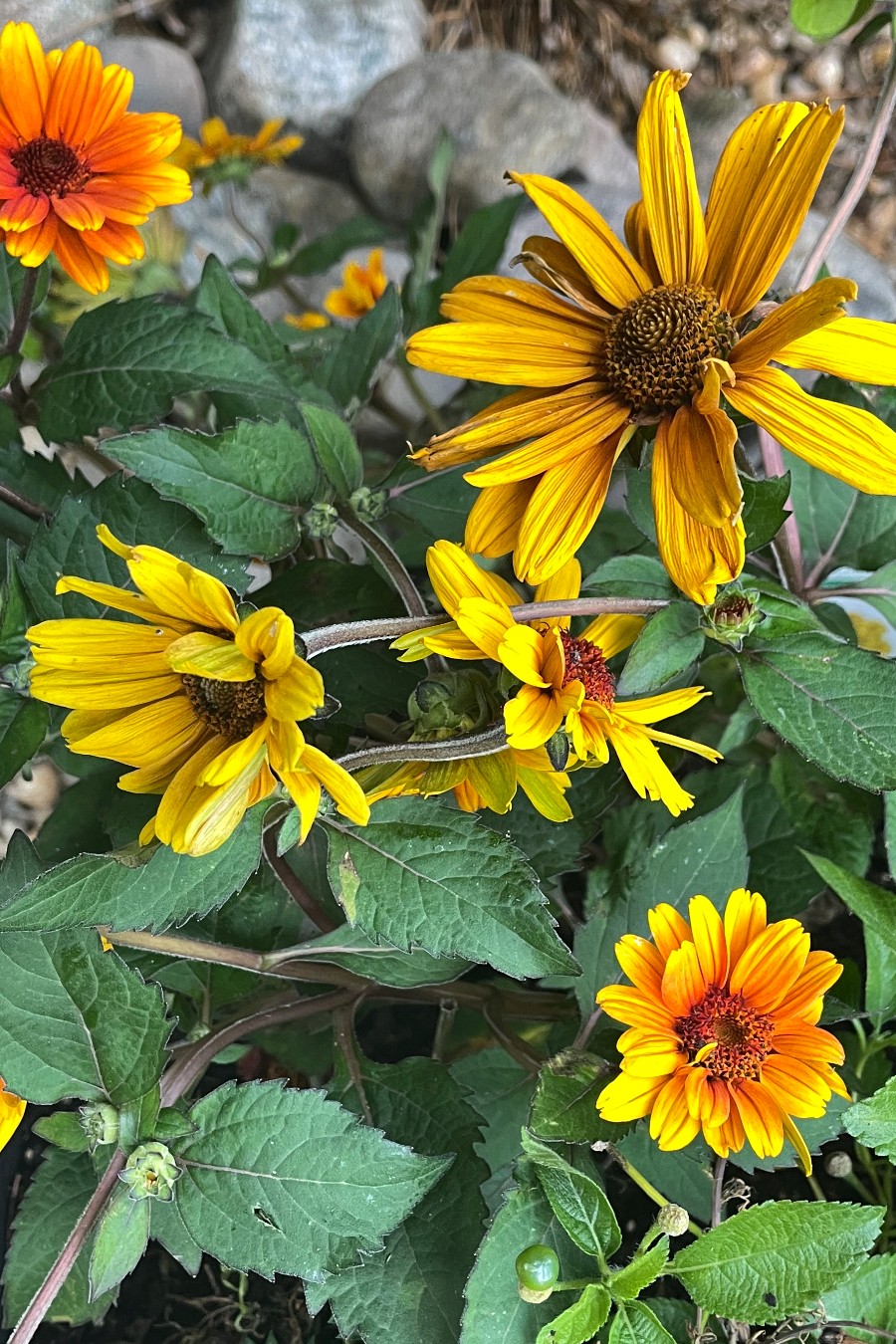
7. False Sunflowers
I recently added false sunflowers to the garden (you might remember me planting them in my Monarch Migration Container Garden). Their bright yellow petals bring plenty of color to the late-summer garden. They'll continue to bloom into fall, providing a source of nectar for bees and butterflies. I look forward to watching these sunny flowers bloom year after year.
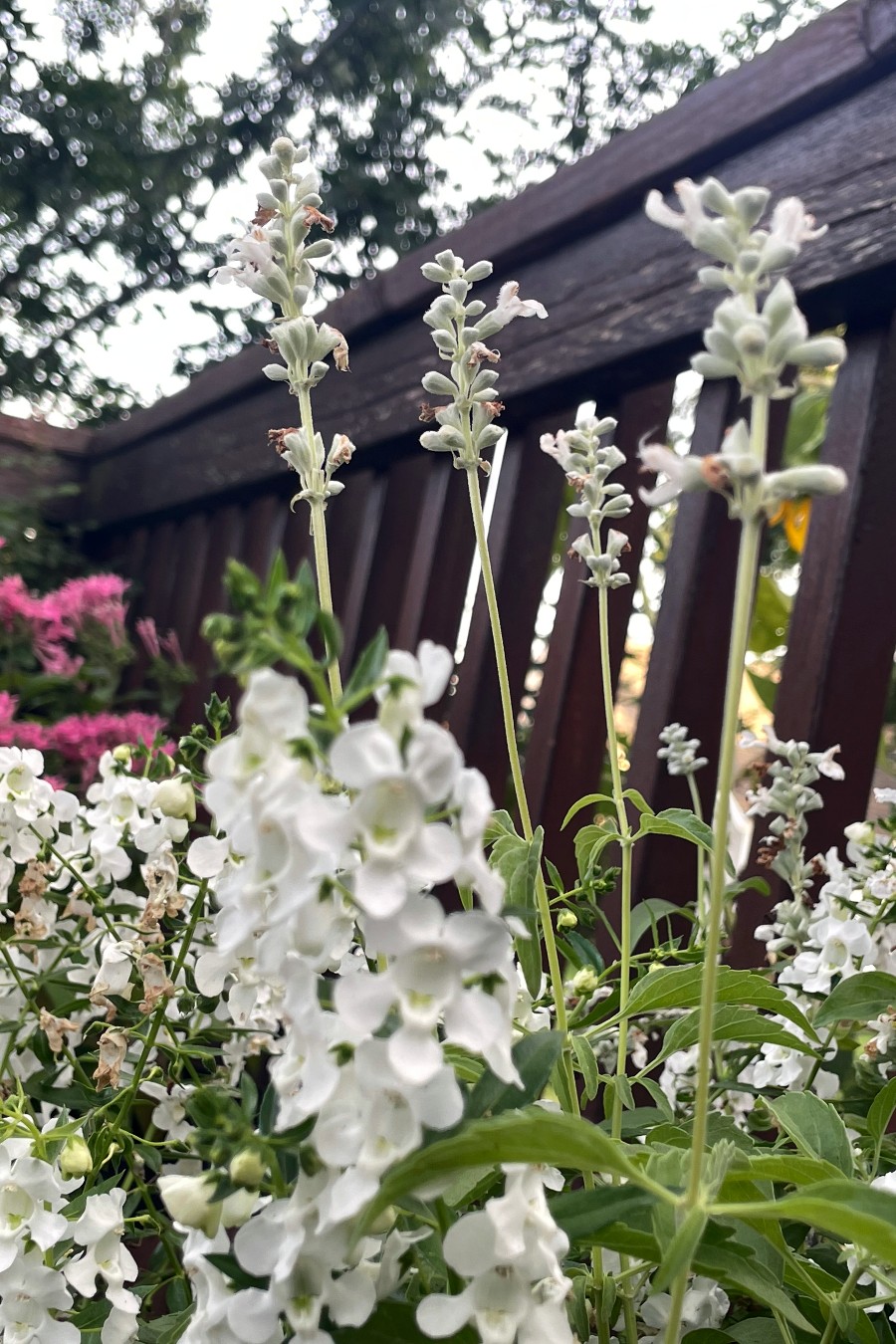
8. Victoria White Salvia
Victoria White salvia has been one of the surprises in my moonflower garden this year. When I planted it, it was just a cluster of green stems and leaves. But it's started blooming heavily, sending up tall spikes covered in silvery-white flowers. The blooms are a favorite with bees and other pollinators, and the plants can continue flowering into fall.
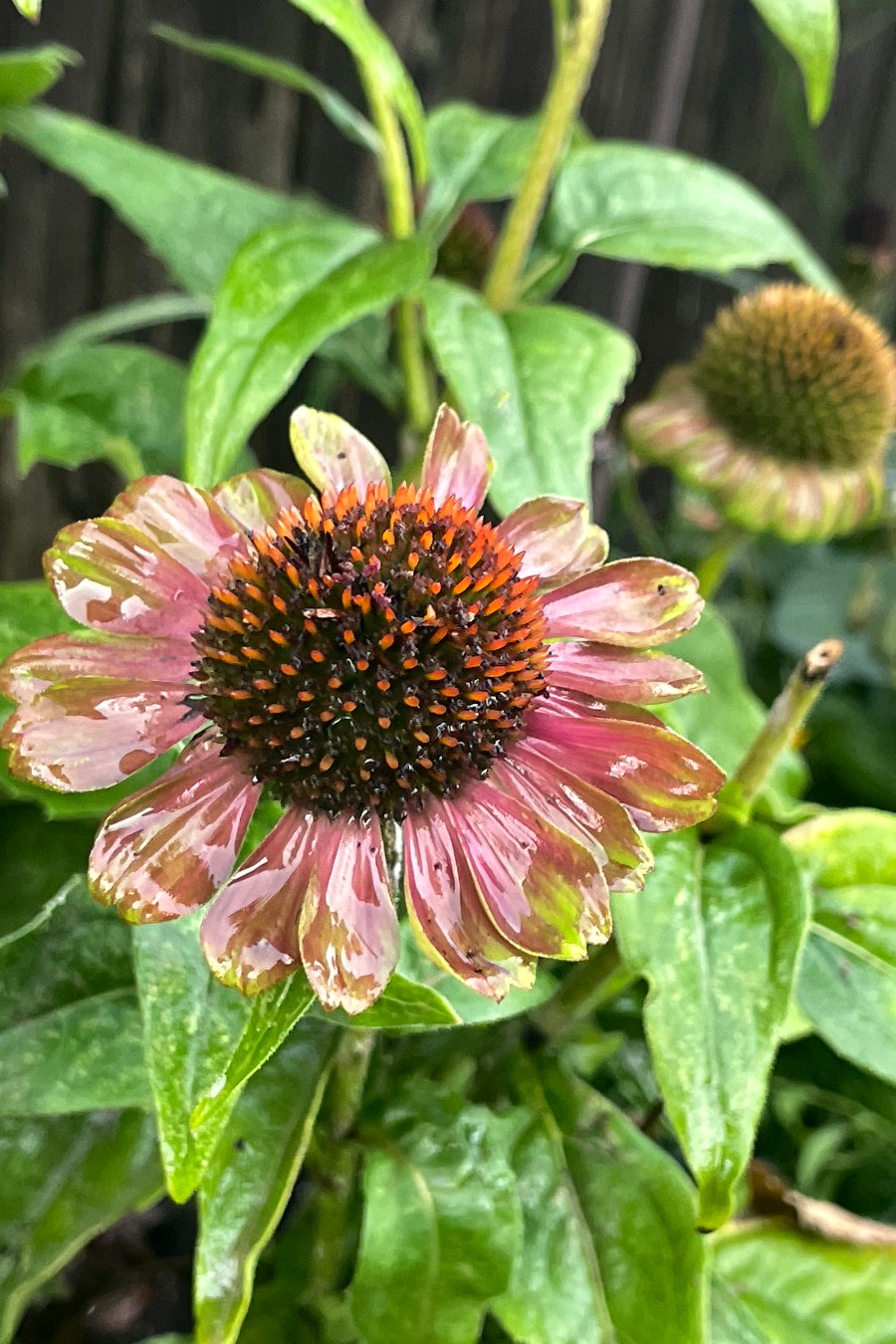
9. Coneflowers
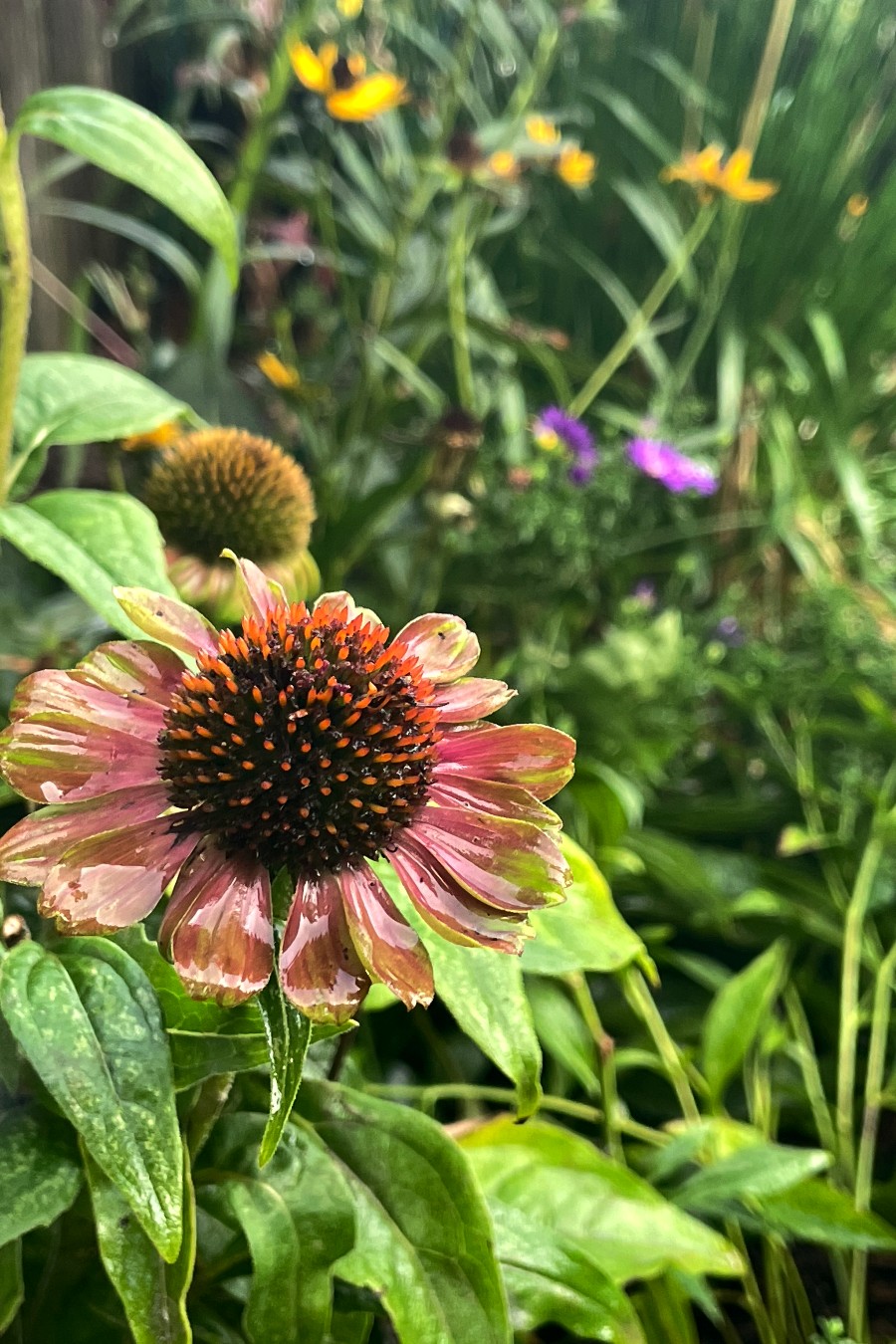
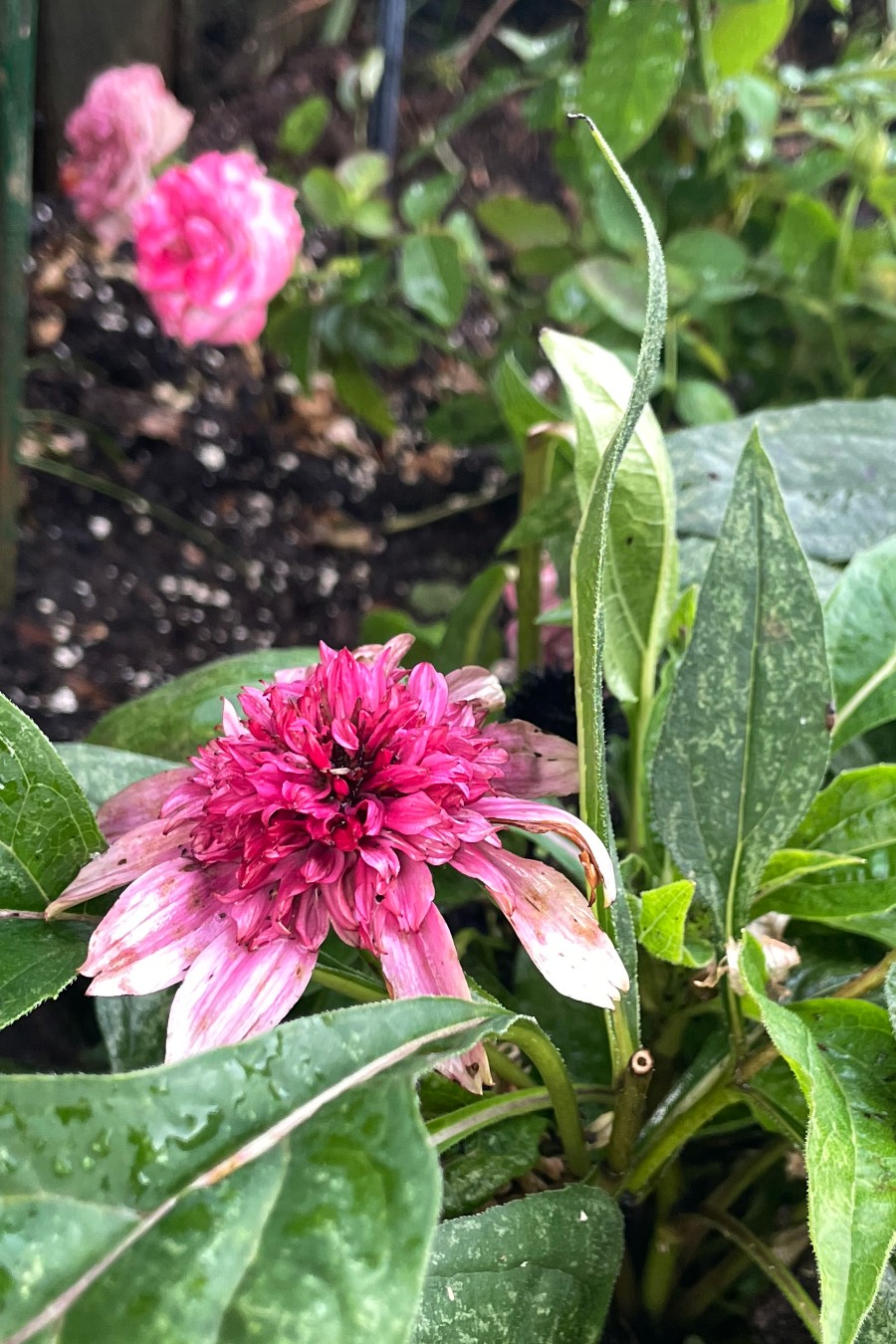
While coneflowers are a summer-blooming perennial, they add color and a food source for pollinators well into the fall. In fact, they're one of the last perennials you'll find at garden centers this time of year. They're available in a variety of colors that attract pollinators. Make sure to leave the seed heads on after they're done blooming. They're a great source of food for birds.
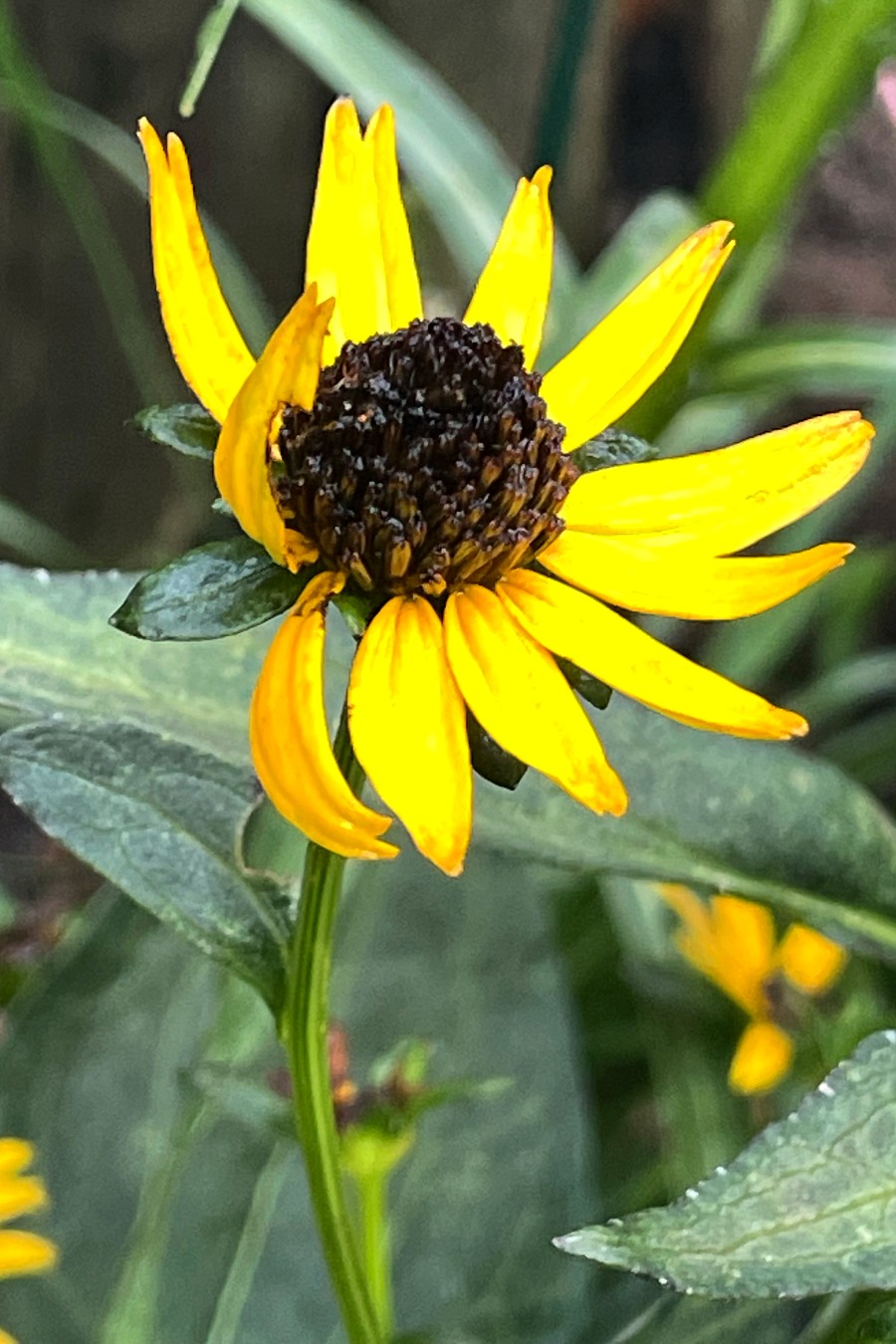
10. Black-eyed Susans
I actually have two varieties of black-eyed Susans growing in my pollinator garden. One is classic yellow, while the other is a deep burgundy red. Both are fall garden favorites that provide nectar for bees and butterflies. Their seed heads also provide a food source for birds later in the season.
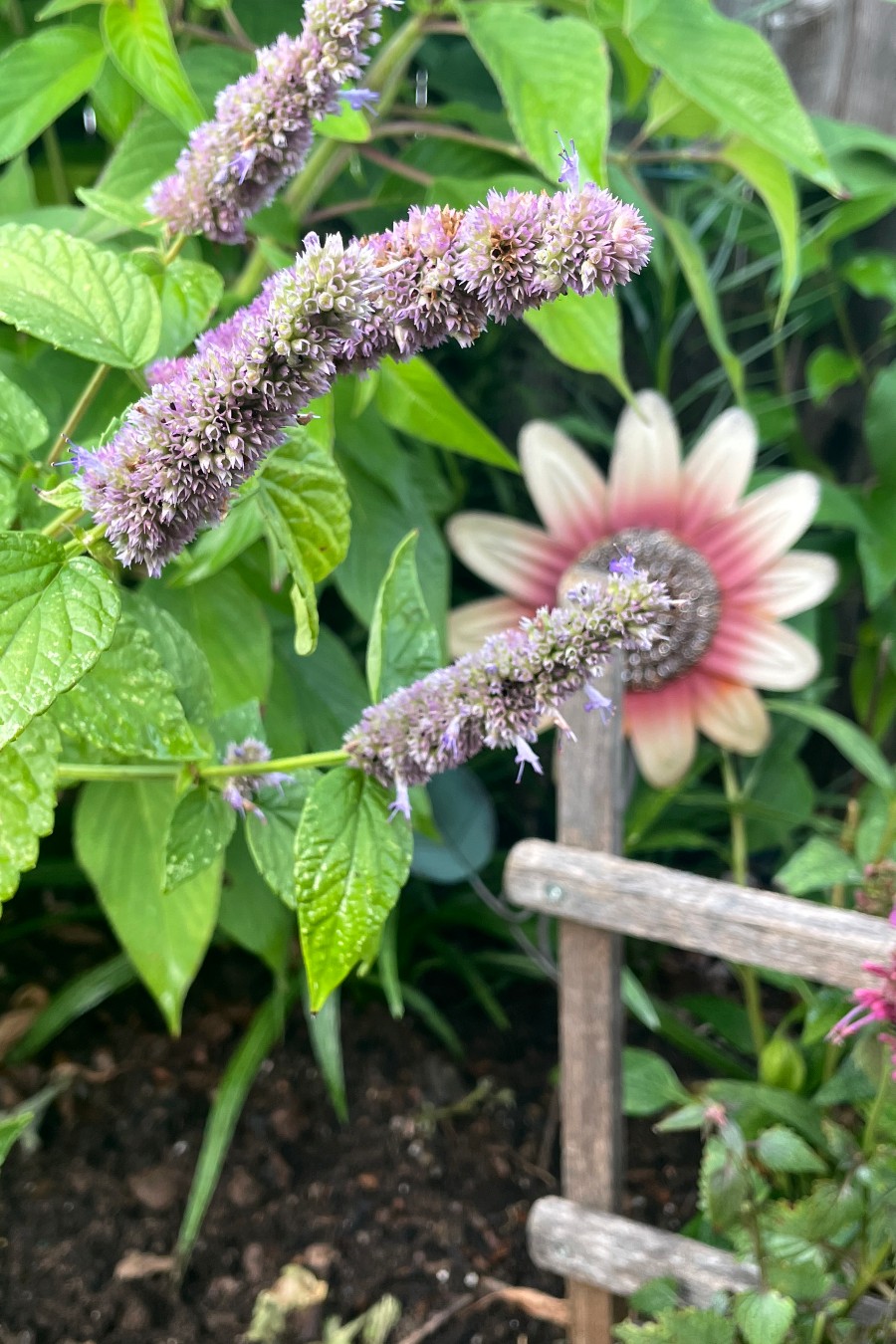
The pollinator garden doesn't have to end when summer does. Choosing a few late-season flowers and resisting the urge to clean up when the temperatures cool can make the garden useful to pollinators, as well as providing beautiful autumn color for ourselves.