Did you know you could get your yard and garden certified as a wildlife habitat? Our yard was recently certified and now I'm sharing the preparation I did, the application process, and other information about becoming an official wildlife habitat.
This post may contain affiliate links. Making a purchase through one of these links helps support this blog.
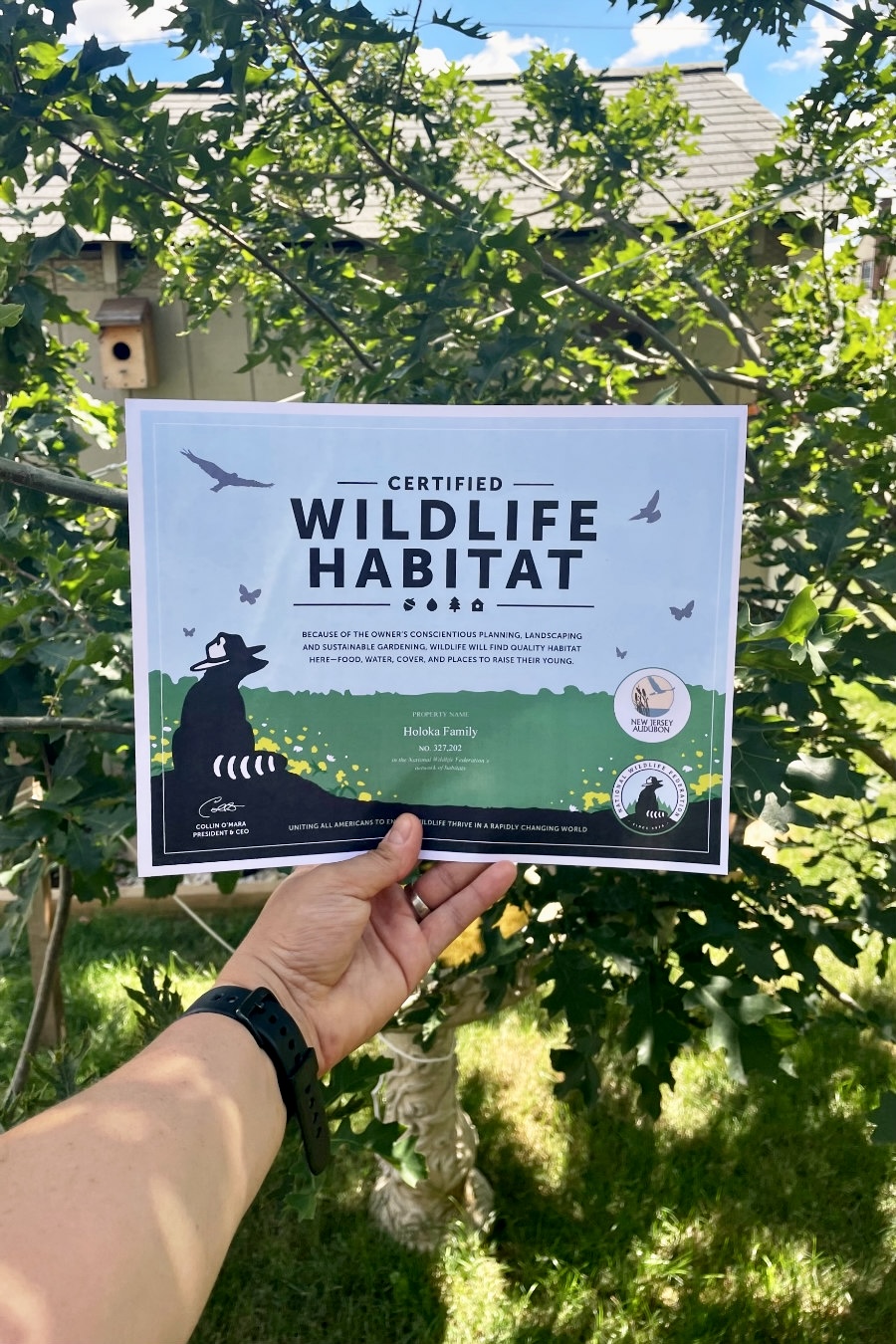
I don't remember when the first e-mail arrived in my inbox, but I do remember being totally intrigued. "Certify your habitat." The National Wildlife Federation e-mail went on to invite me to apply to get our yard and/or garden certified as a wildlife habitat. I thought that was so cool! So I took a quiz on their website, which informed me that we qualified for certification. But I didn't really feel like our yard was "there" yet in terms of being considering a wildlife habitat. I gave myself time to prepare and a deadline of July 29th (my birthday) to submit our application.
What Habitat Essentials are Needed for Certification?
In order to qualify for certification, your yard/garden must include certain features like food sources, water, and shelter for animals. Our property isn't large, so even with a small space, you can do a lot to qualify. This is just a portion of a checklist you can use to see if your space qualifies for certification. Click here for a complete copy of the Habitat Essentials Checklist Worksheet.
Food: Must have a minimum of 3 natural food sources
- Native plants
- Seeds
- Host plants (butterflies and caterpillars)
- Nectar and pollen sources
- Nuts and pine cones
- Foliage
- Fallen leaves
- Berries and fruits
- Insects
Water: Must have at least 1 water source
- Bird bath
- Puddling station
- Pond, lake, river, or stream
- Rain garden
Shelter: Must have a minimum of 2 places for cover and shelter
- Trees/evergreens
- Bushes/shrubs
- Rock pile
- Pond
- Dead stems for overwintering insects
Places to raise young: Must have at least 2 places
- Trees
- Caterpillar host plants
- Bushes/shrubs
- Hollow stems
- Fallen leaves
Sustainable practices: Must practice at least two from four categories listed
- Soil and Water Conservation
- Controlling Non-Native Species
- Reducing Pollution
- Reduce/reuse/recycle

How Did I Prepare Our Yard?
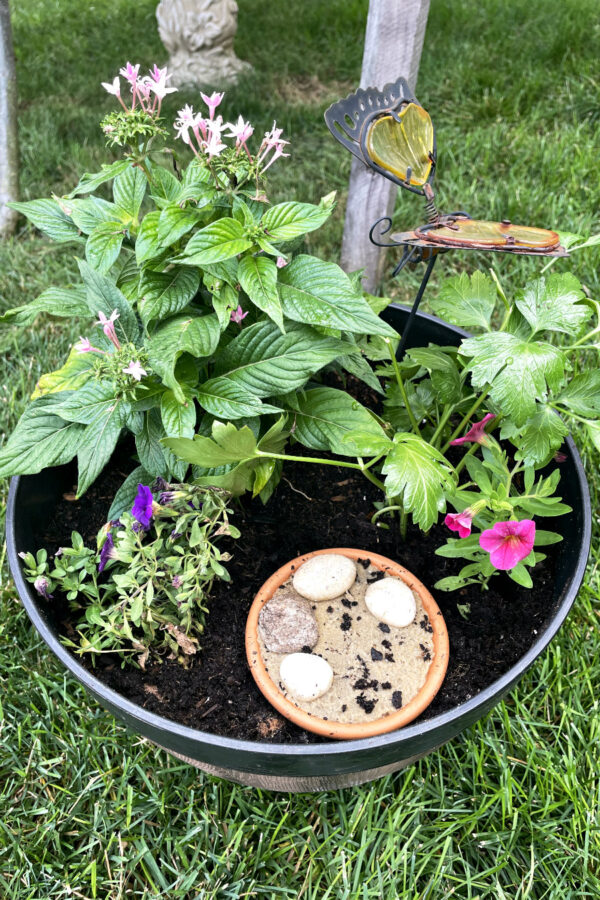
Over the past few years, we've installed bird baths in our yard. From there, I've also included bee baths and, most recently, a butterfly puddling station. We also have bird houses hung up on the side of our shed (sustainably made with scrap wood and non-toxic paint) as well as a bird feeder. And during the cold months, I also hang a couple of suet feeders off of our bigger oak tree.
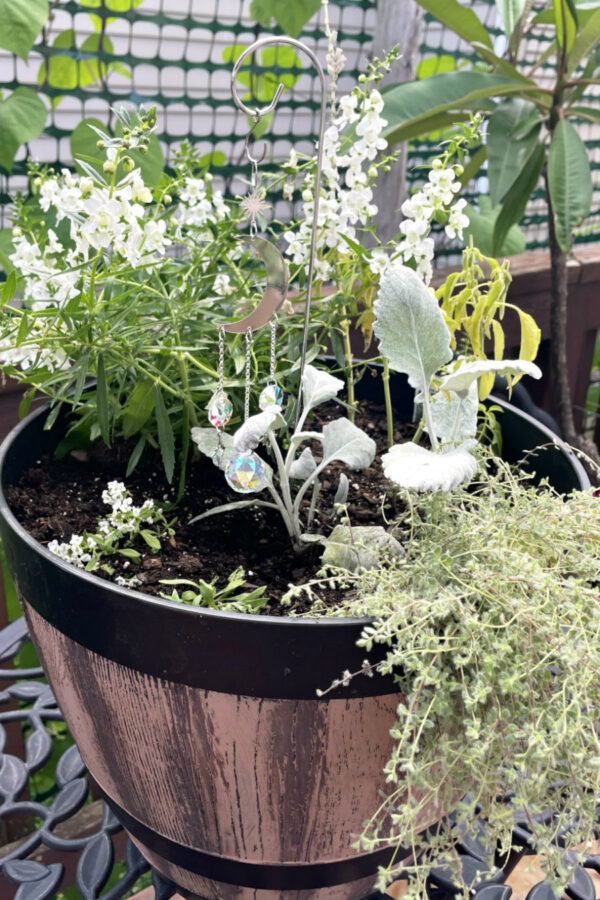
This spring/summer, I made a conscious effort to add more native plants to our yard. My husband and I even went to a native plant sale in June to pick up a couple more plants (plus, I'm on a waitlist for one more). I have a designated pollinator rock garden in our backyard that's now filled with native plants. But I've also planted native plants all around the rest of our property.
What Do You Get When You Certify Your Property?
Not only do you just get the pleasure in knowing you're doing an awesome job protecting wildlife in your community, but there are a few other things you get once your yard is certified.
- Personalized Certified Wildlife Habitat Paper Certificate
- One year membership to NWF
- One year subscription to National Wildlife magazine
- Monthly Garden Habitats e-newsletter
- Ability to purchase a Certified Wildlife Habitat® sign for your garden

Other Things to Know About Certifying Your Yard
To be honest, I basically applied to certify our yard for the self-satisfaction and discussions it would bring about our yard, sustainability, and protecting backyard wildlife. Plus, the sign, which I still need to order. There aren't any official protections for your property, tax breaks, or any other sort of special recognition - although, you do receive a form to reach out to local media to discuss your efforts - and I can't randomly rescue wild animals and bring them in my house (nor would I actually want to).
It's basically an apply, pay (a $25 fee + the cost of a sign if you choose to order one), and get certified type of situation. Just something cool to do if you appreciate your local wildlife and encourage it in your backyard.
I did have a little technical issue with my application going through (probably just my old, slow computer I did it on). It showed I paid the fee, but I never received a confirmation. I reached out to NWF and immediately got a response and had my certification pushed through. A few weeks later, I received my official paper certificate in the mail.

Would I Do it Again?
Probably! It might not seem like a big deal to some, but it is to me. I have worked hard to turn our property into a wildlife haven. I have enjoyed seeing all of the animals that have traveled through our yard throughout the years (foxes, birds, rabbits, racoons, skunks, an odd groundhog, cats, squirrels, and of course the bees, butterflies, moths, and a variety of other insects). It's nice to know I could create a safe and welcome space for them while also encouraging my husband and myself to continue sustainable practices in our yard and garden.
To find out more about getting your yard certified as a wildlife habitat, leave a comment or visit NWF.org.