Are you raising butterflies this summer? Consider providing your newly released butterflies with an aftercare container garden that provides them with colorful nectar-rich flowers as well as host plants to lay eggs.
This post may contain affiliate links. Making a purchase through one of these links helps support this blog.
The last of our black swallowtail butterflies were released last week. All nine successfully emerged from their chyrsalises and flew off to restart the cycle. Speaking of restarting the cycle, I also refreshed my butterfly nursery container garden by replacing a dill plant with more fennel (the caterpillars really favored the fennel over the dill and parsley) and cleaning up the top layer of soil. The planter is set in a sunny spot where we'll hopefully get another round of butterflies to release.
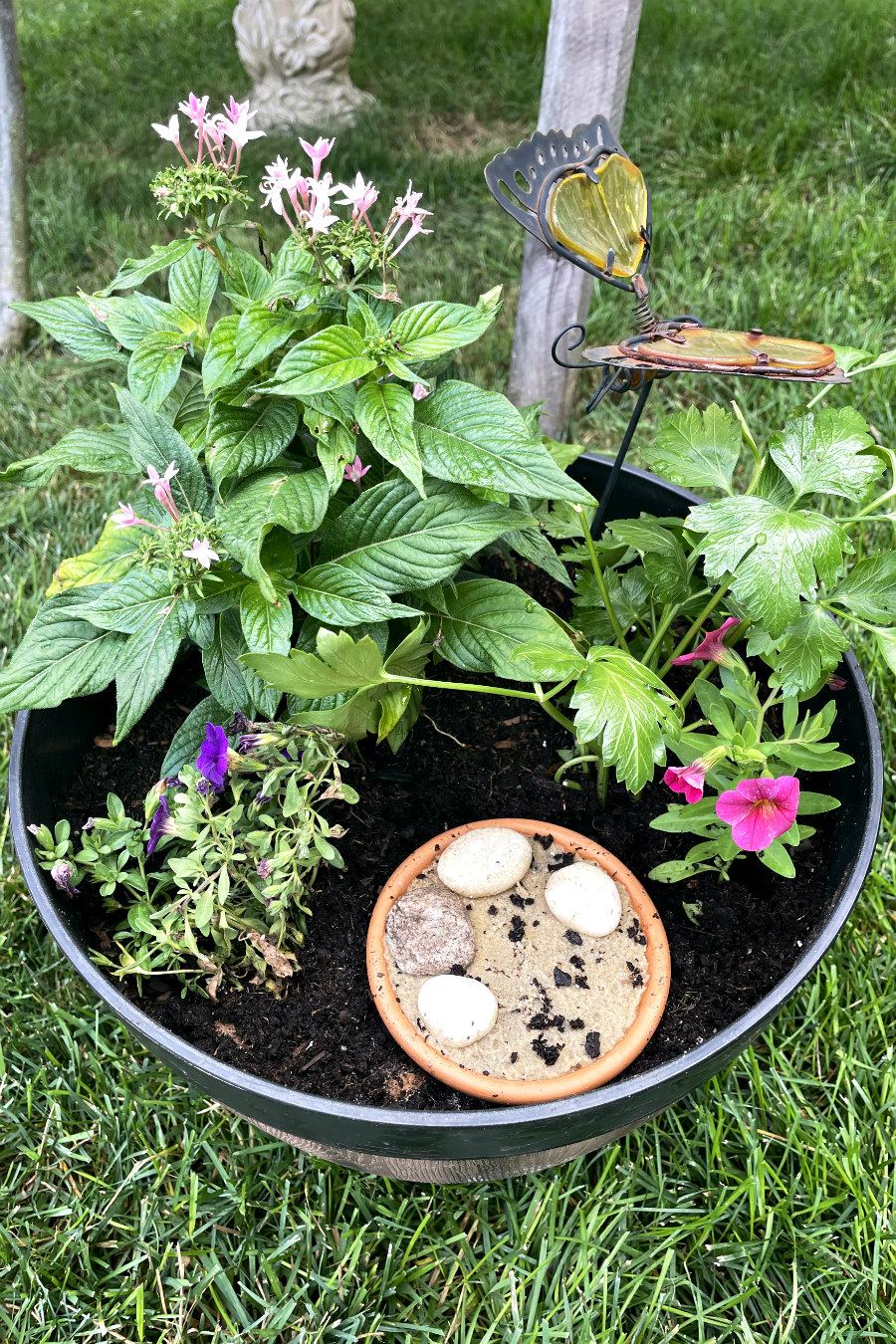
Having such a successful first run raising butterflies, I decided to add another butterfly nursery inspired container garden to our deck. This time, along with a couple host herbs, I wanted to add plants that would be an immediate source of nectar for the butterflies once they emerged. Calibrachoa is one of my favorite flowers to grow and it's a great food source for butterflies. I also added pentas, which is another nectar-rich plant.
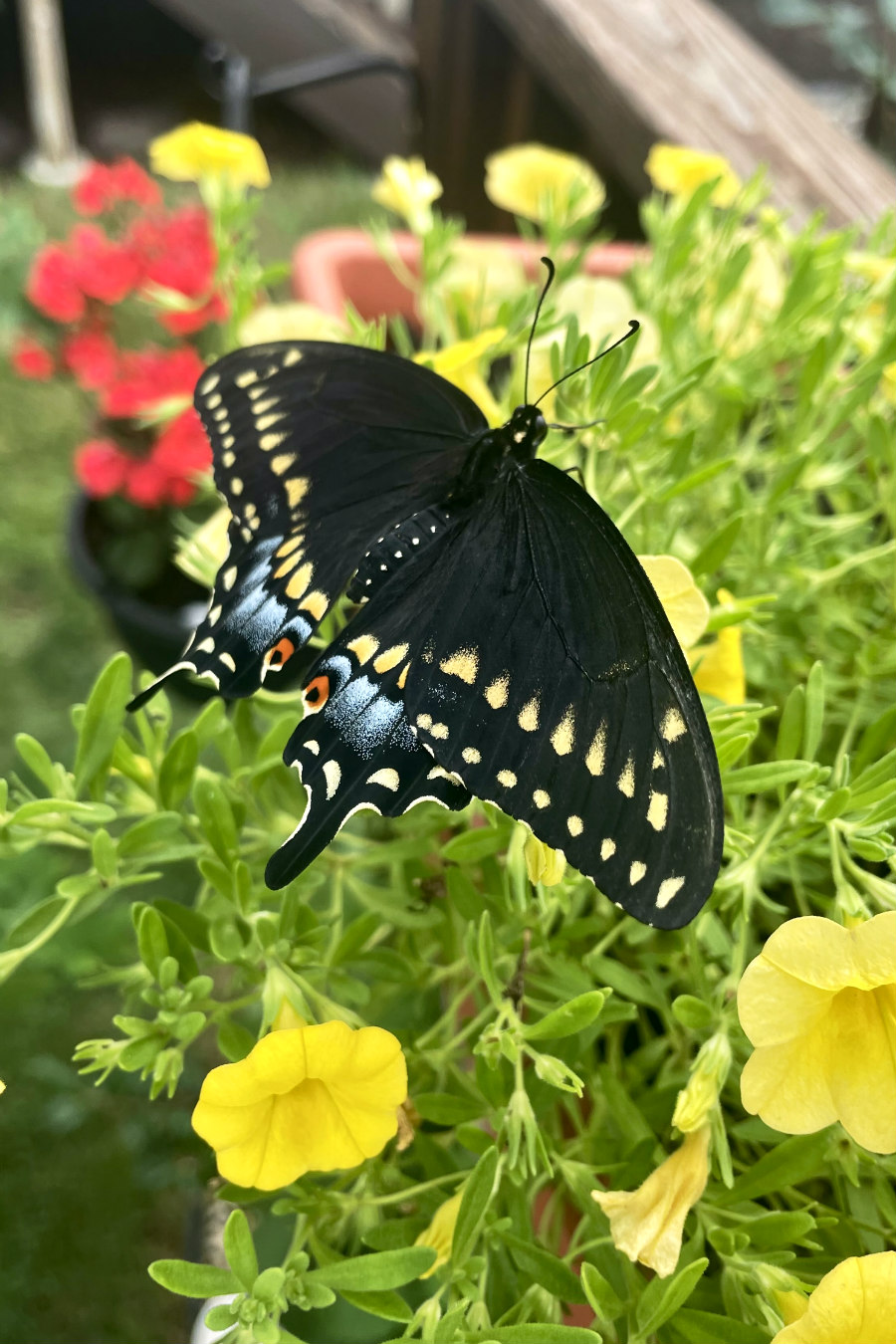
I decided to keep a host plant in this planter, as well. With some parsley planted with the flowers, it becomes a multi-purpose space for the swallowtails. I also moved the tiny puddling station I had in my butterfly nursery garden into the aftercare garden. It just made more sense to keep it in this planter instead. I also gave that a refresh with new sand, a sprinkle of soil, and stones.
How to Create a Butterfly Nursery Aftercare Garden
If you've decided to raise butterflies this summer, consider adding an "aftercare" container garden near your enclosure. It'll give them a food source closeby, but also add gorgeous color to your space. With a mix of host and nectar-rich plants, plus a small puddling dish, this container garden has everything swallowtail butterflies need throughout their life cycle.
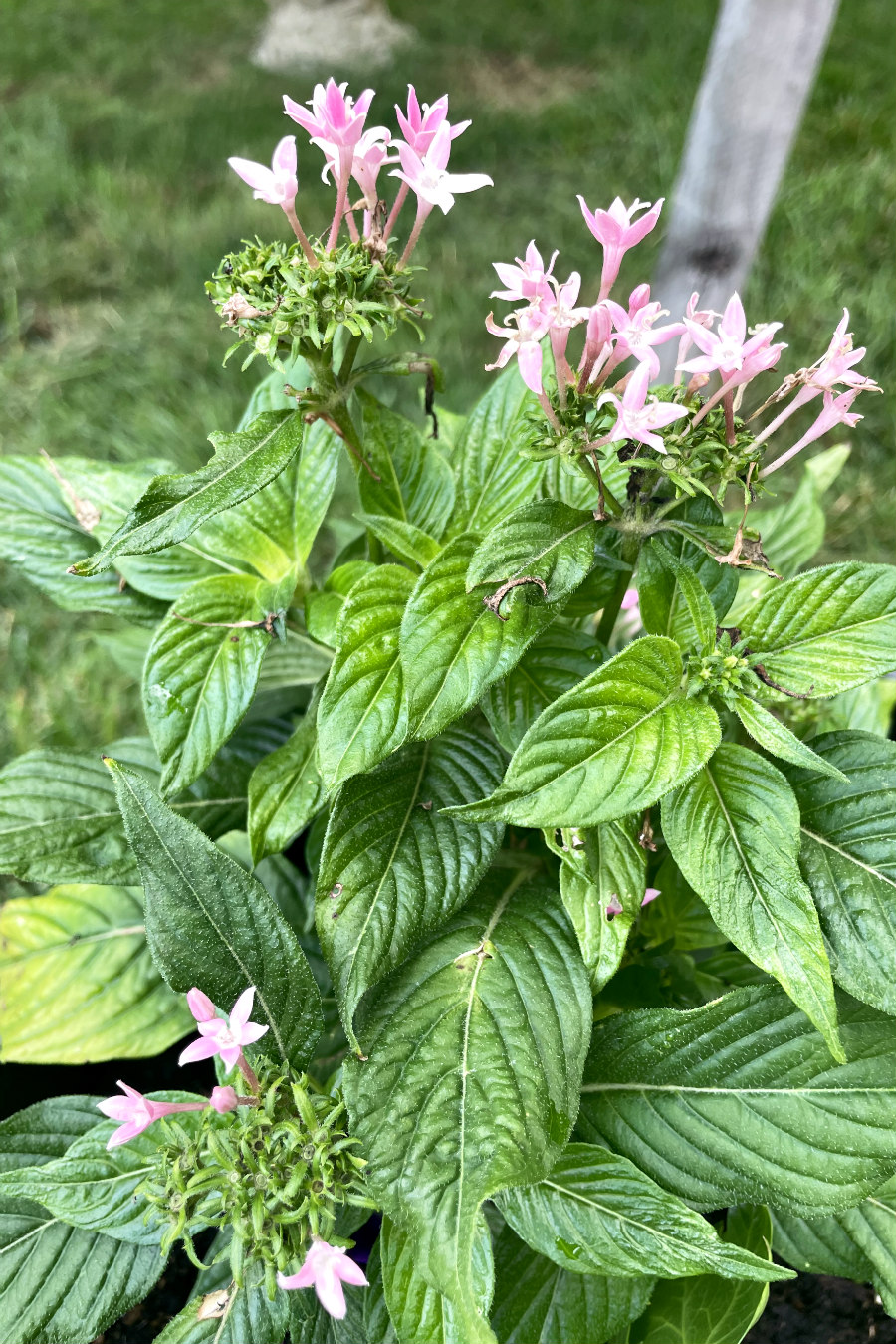
After filling my container with potting soil, I started adding my plants. First, I planted the pentas. These plants have star-shaped flowers full of nectar. They stand tall in a planter, are available in bright colors, and serve as a landing space for butterflies. They're an extremely butterfly-friendly flower.
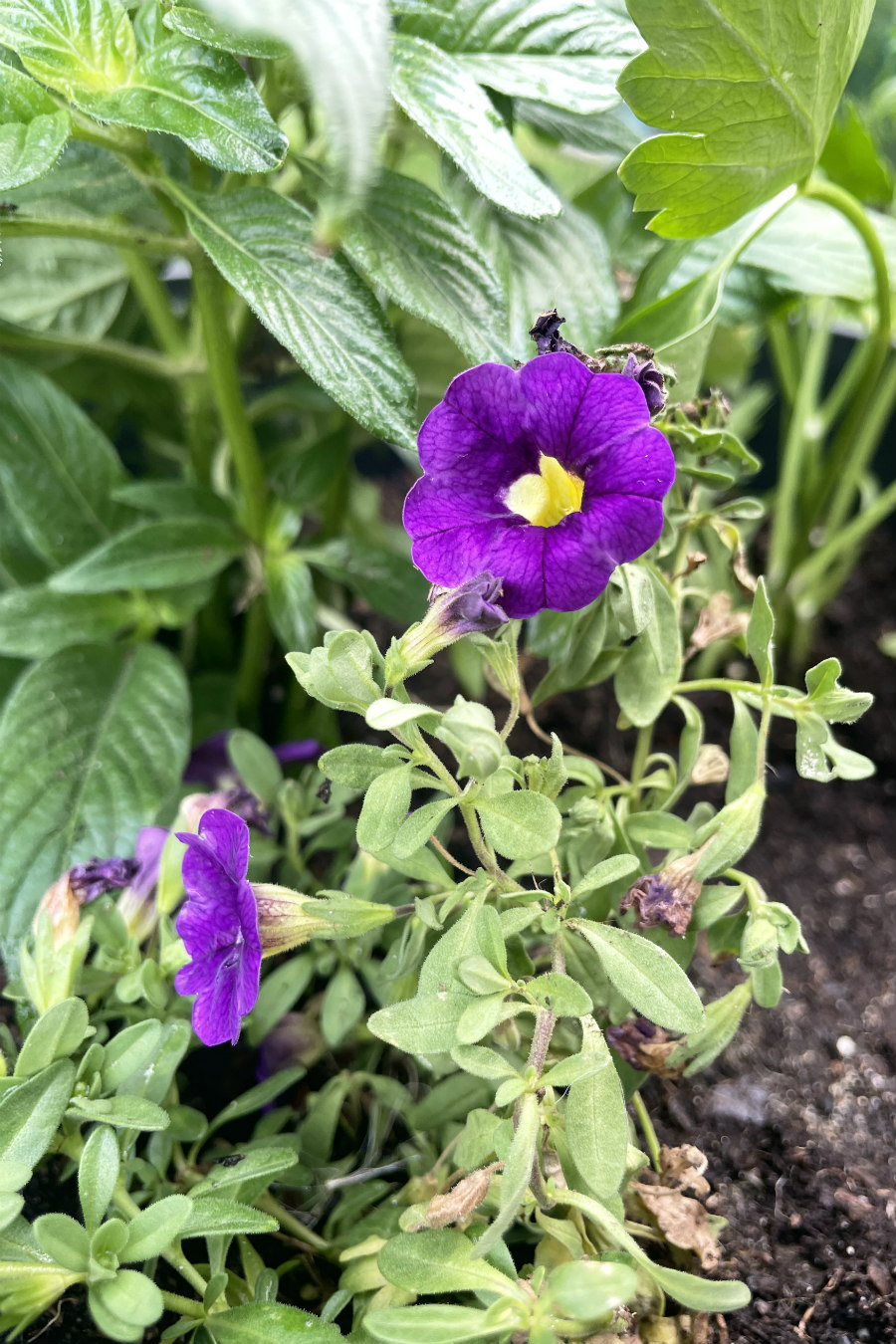
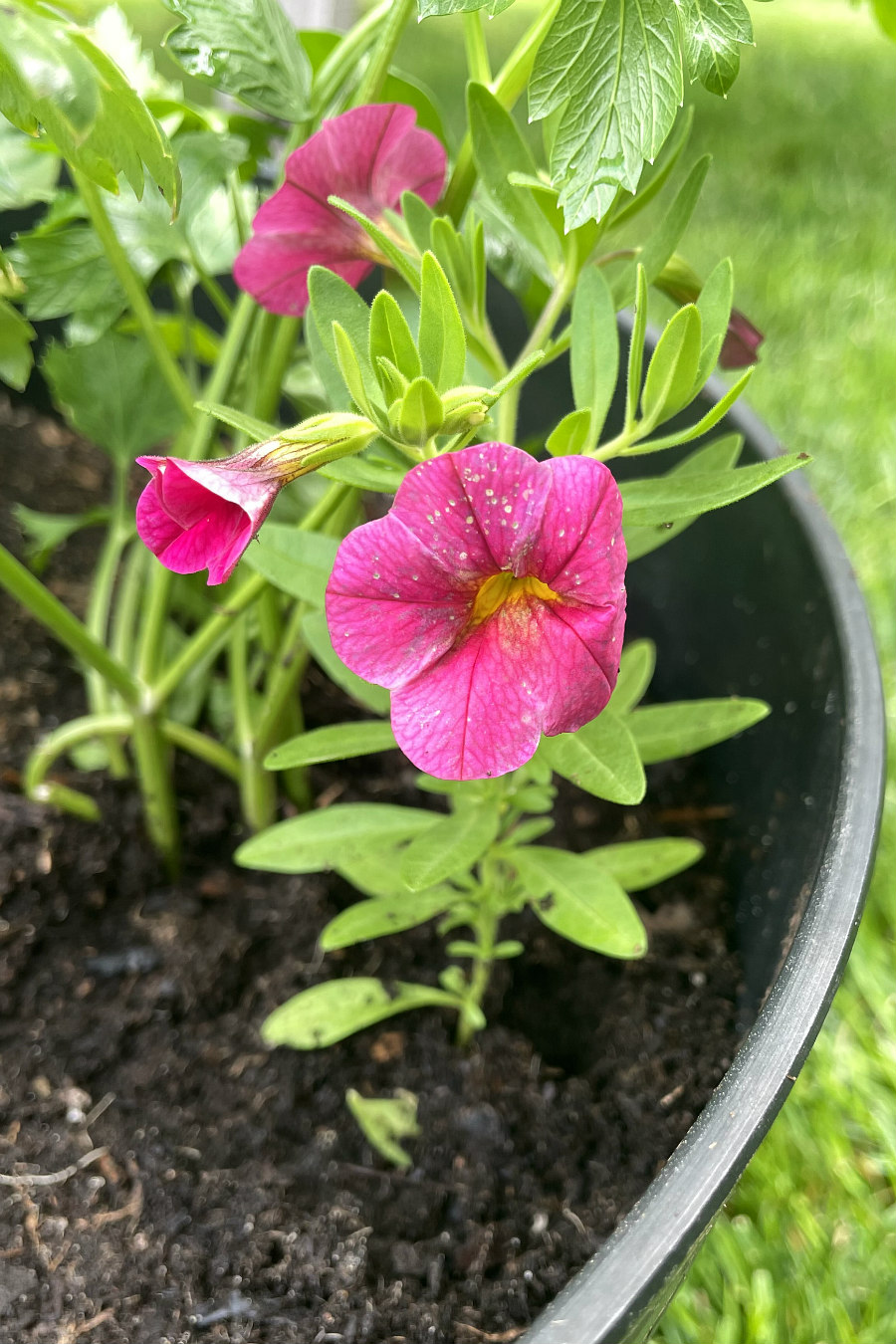
Then, I added the calibrachoa flowers. Also known as "Million Bells," these flowers have a tubular opening that's perfect for butterflies to feed from. They are available in so many different colors. I had some small stems of purple and pink calibrachoa that will fill in beautifully while they grow.
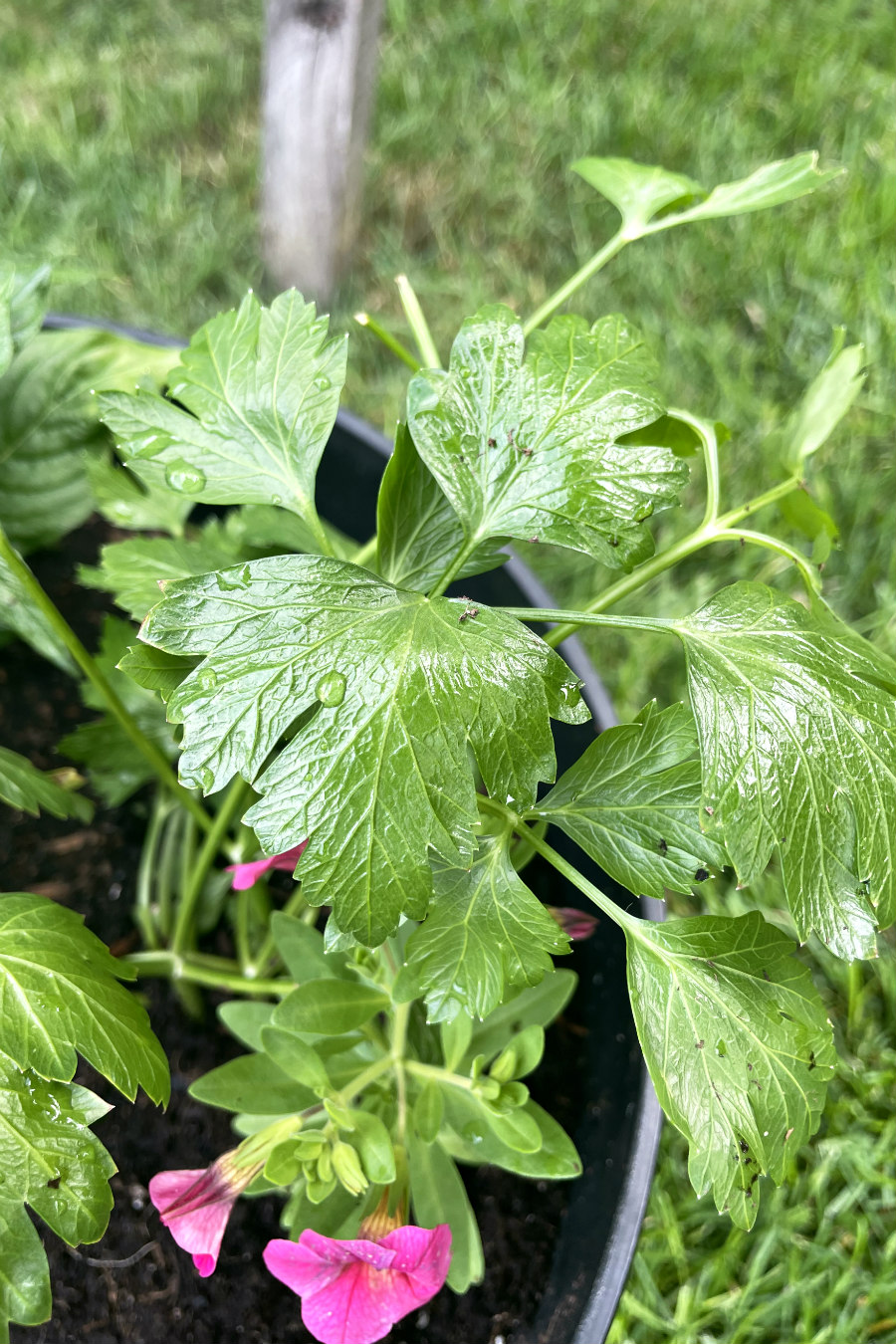
Once the flowers were in place, I also added flat leaf parsley. It's a primary host plant for black swallowtail butterflies. Plus, I read that you can let the plant go to seed and the flowers will provide nectar for adult butterflies. So it's multi-purpose for every phase of a butterfly's life.
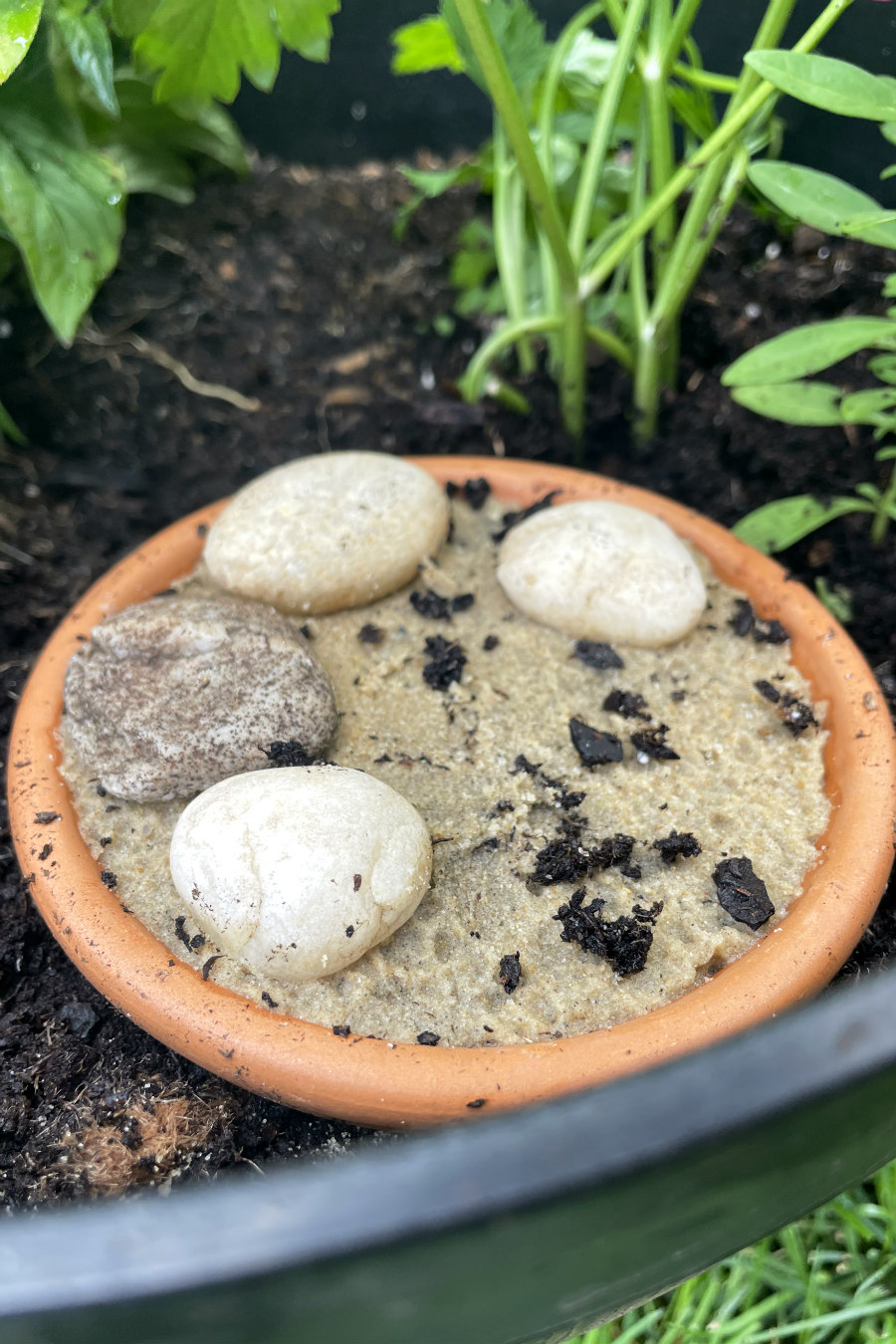
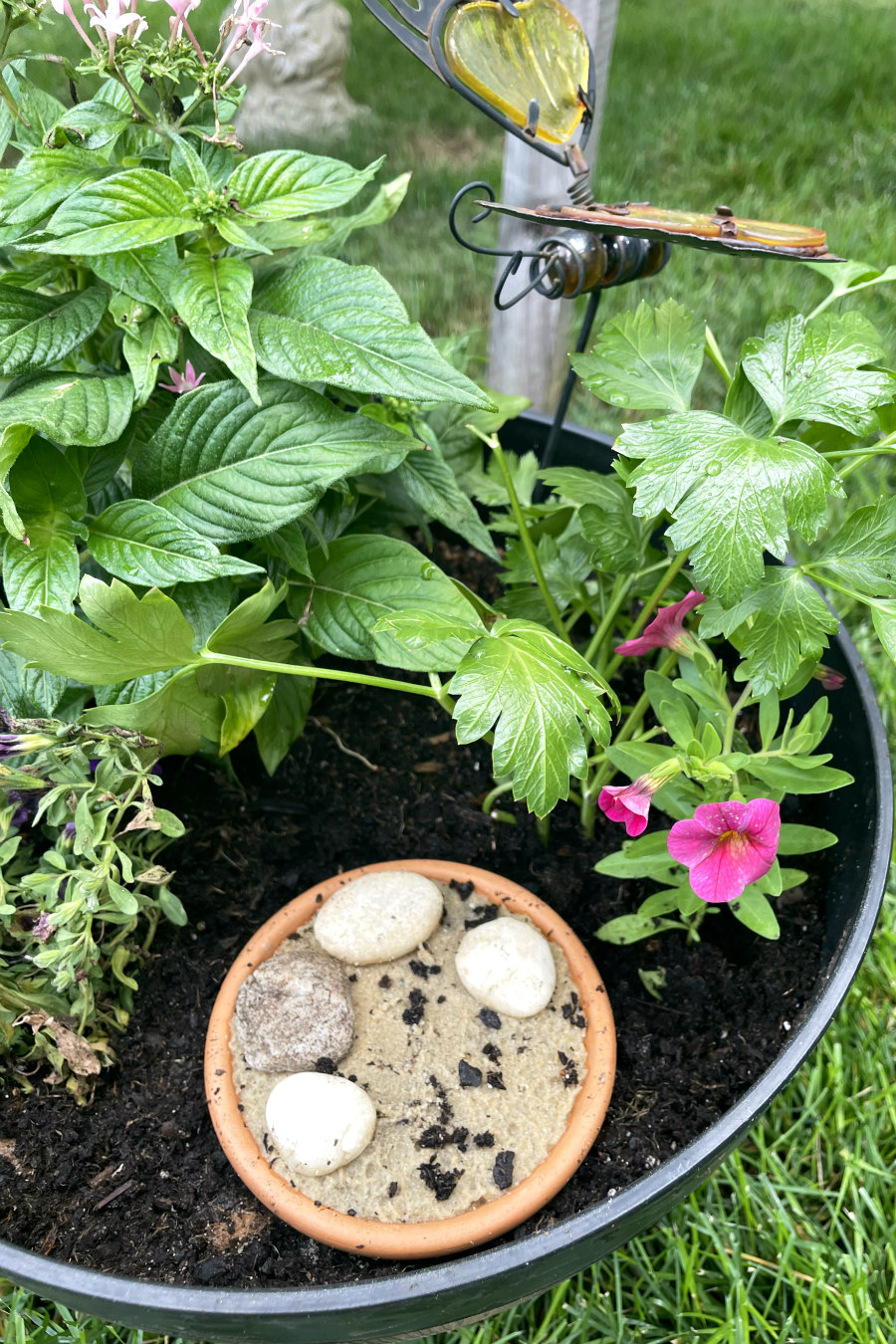
I finished the planter by adding a puddling station. I created a simple station using a small terracotta saucer filled with a mix of moist sand, soil, a pinch of salt and set some small rocks on top. Then, I added a butterfly garden stake as a cute touch.
SUPPLIES
- 12-18" container
- Potting soil
- Host plants such as parsley, dill, and fennel
- Nectar-rich plants such as pentas, calibrachoa, sweet alyssum, lantana, or zinnias
- Optional: butterfly puddler in a small terracotta saucer
- Optional: butterfly garden stake
STEPS
- Check your container for drainage holes. If there aren't any, drill several holes into the bottom of the pot. Then, fill the container with potting soil.
- Plant a host plant in the planter. Then, add a couple flowers. When everything is planted, water thoroughly.
- If desired, create a puddling station for butterflies using a mini terracotta saucer, a mixture of sand, dirt, small rocks, and a pinch of salt. Place into the container.
- Add a cute butterfly garden stake, if desired, and set the planter near your butterfly enclosure in a sunny location.
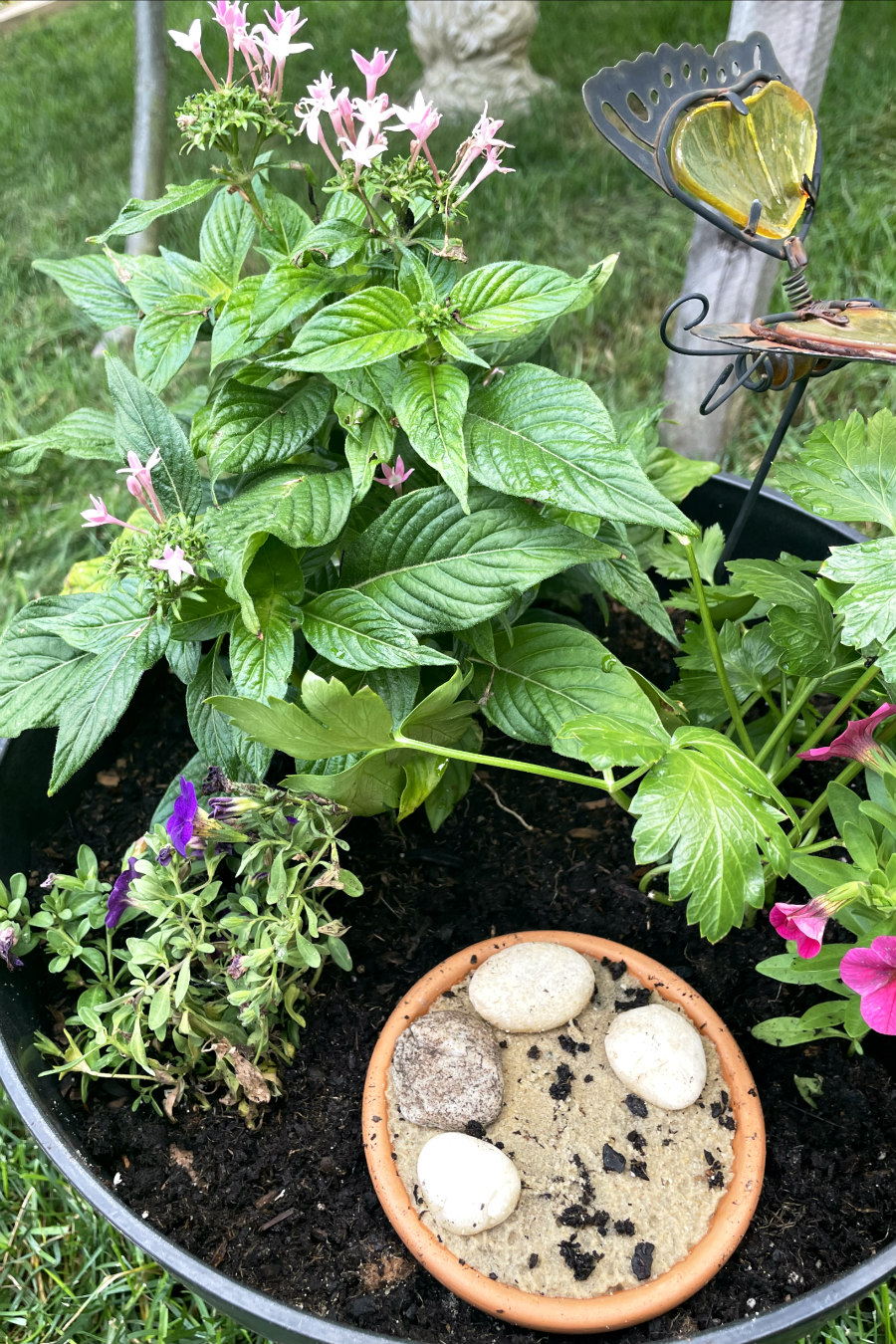
This planter should fill in nicely over time. The pentas will stand tall between 12 and 36 inches. The calibrachoa will eventually mound and trail out of the pot. And the parsley will grow lush, green leaves that will attract black swallowtails to lay their eggs on it. It's been so cool to get to see the life cycle of a butterfly up close this summer and to be able to help them through each phase of life.
Did you make this Butterfly Nursery Aftercare Garden project? Share it on social media using the hashtag #holokahome. Don’t forget to tag me @holokahome!