Sharing all of the gorgeous and colorful flowers we're growing in our yard this year including pollinator-friendly plants, edible flowers, cut flowers, and more. There's quite a mix and every plant has a purpose.
This post may contain affiliate links. Making a purchase through one of these links helps support this blog.
Welcome to week two of "what we're growing in our garden this summer." Today I'm sharing all of the flowers - all of them - that we're growing this year. If you thought we were growing a lot of herbs, just wait - there are so many beautiful flowers growing in our yard. It's a rainbow of color that just keeps popping and the pollinators are going crazy for them!
Along with some of our perennials and annual must-haves, I'm also growing some new-to-me varieties. Some were purchased at garden centers and some were started from seed. Just like my herbs, I also tried to plant flowers with a purpose.
After observing the types of flowers the butterflies and bees frequented last summer, I made a mental note to add more of them to the yard this year. Other flowers are being grown as seed plants for the birds (and my frenemies, the squirrels). And of course, I'm growing certain flowers to dry and use in my Etsy shop.
Flowers We're Growing in Our Garden this Year

Calibrachoa
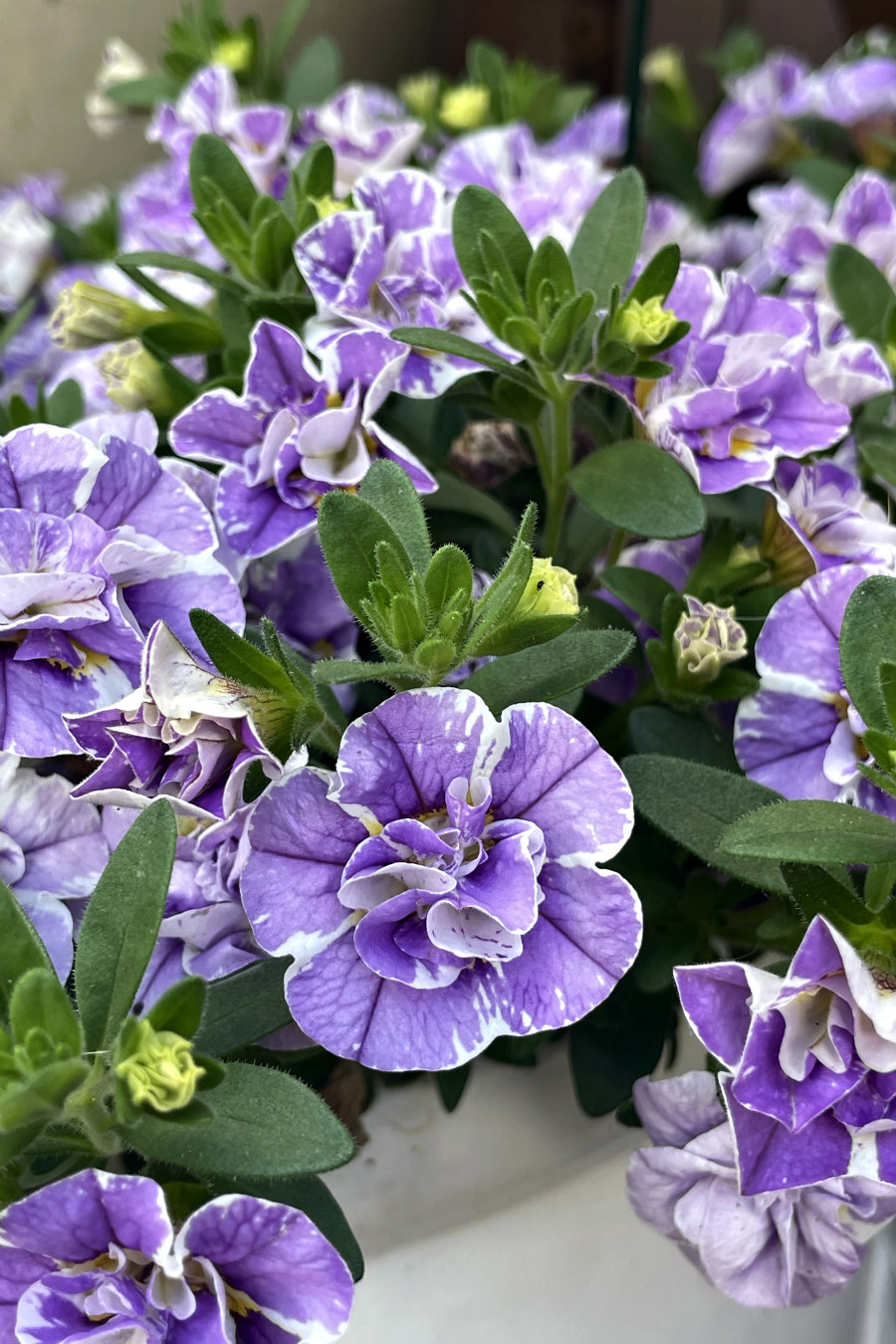
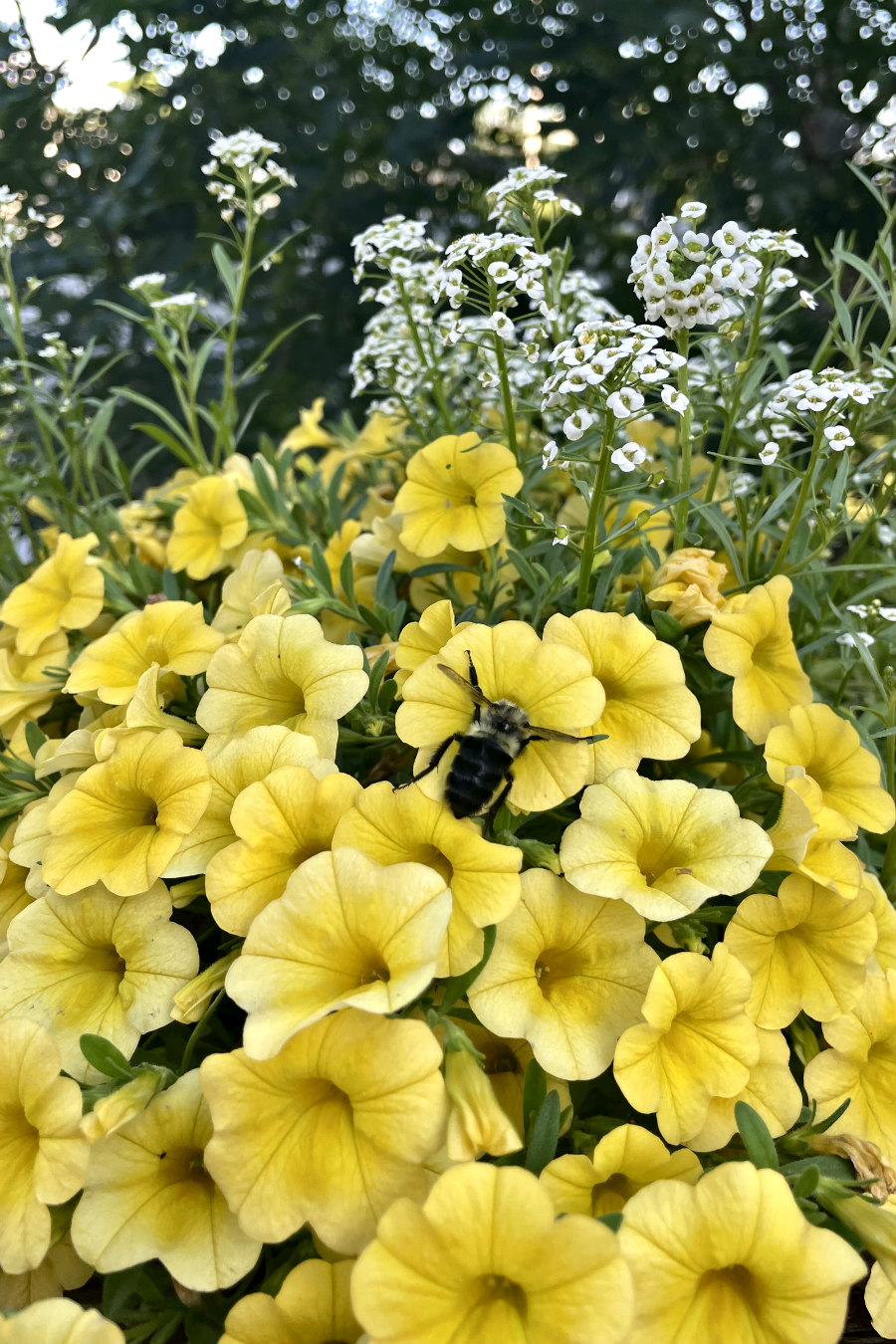
One of my must-haves on my flower wish list was calibrachoa. Also known as "million bells" and available in varieties like "Superbells Double," these flowers look like tinier petunias and are available in a variety of colors. I've planted them everywhere from railing planter boxes, container gardens, and flower pots.
My main reason for growing them was, not only to bring color into the yard in an easy-to-grow flower, but to attract butterflies. Once I saw monarch butterflies feeding from them last summer, I was sold on these flowers. They do very well in full sun and work as either a filler or spiller in arrangements.

Sweet Alyssums
Another one of my flowering faves is sweet alyssum. I received some plants early in the season from Bonnie Plants and also started some from seed. These tiny white flowers look gorgeous tucked into flower pots and smell like honey. They're even edible! But my main reason for planting them is to attract beneficial insects.
Roses
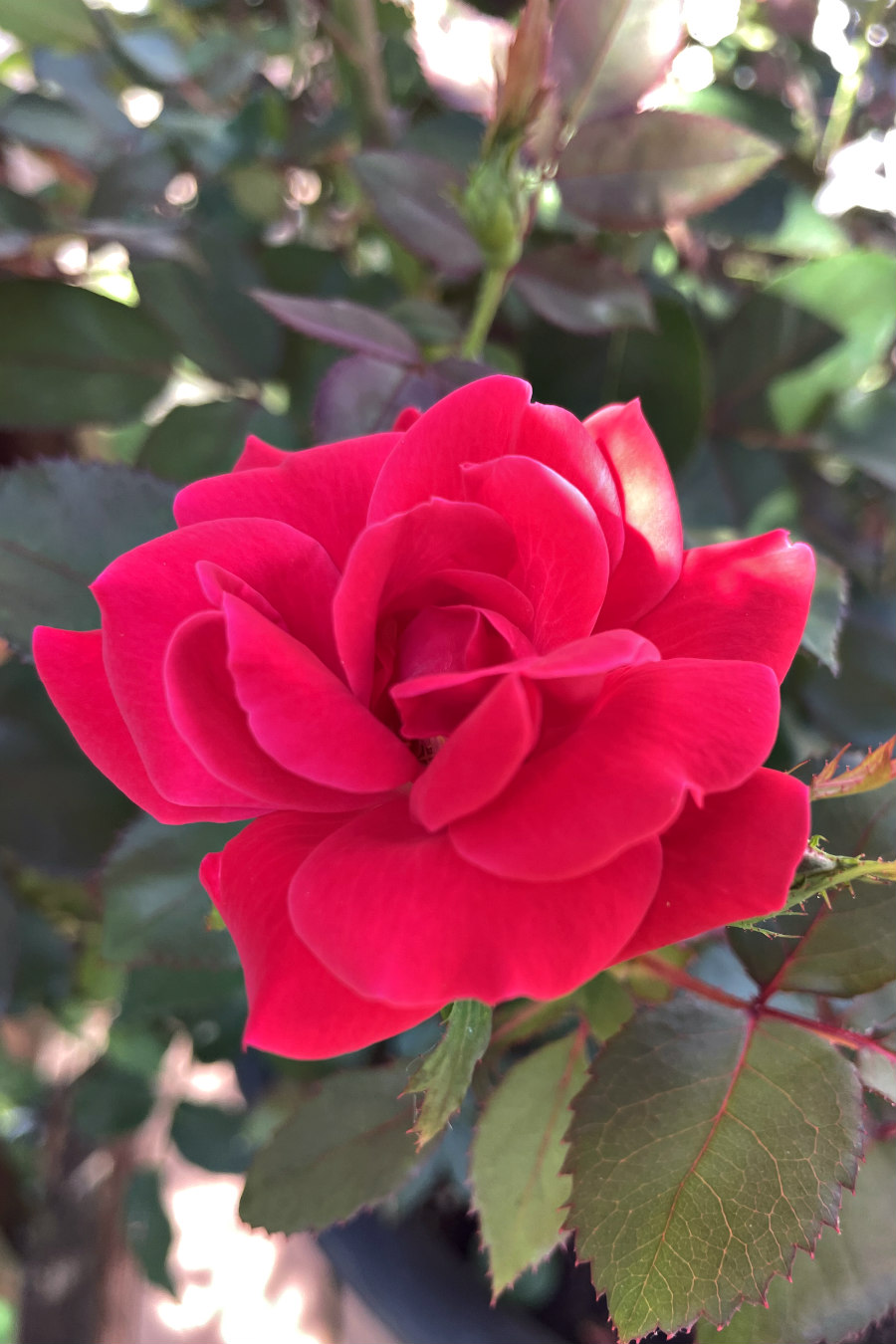
We already have a rose bush growing on the side of our house. But since I had some space to fill on our deck this year, I decided to grow roses in a pot. So far, so good! While my husband is concerned about black spot disease on the leaves (it's happened with roses we used to have), I'm not quite as concerned. My main reason for this bush is to grow it for the petals.


Petunias
Another one of my annual must-haves is petunias. They're really easy to grow, like full sun, and look nice on their own or in an arrangement of flowers. Black petunias are my favorite for their unique, dark color and velvety look. I have a pot of them on my front steps. I also have others - including the "Double Multiflora Spreading Petunia" variety - tucked into planters.
Blue Lobelia
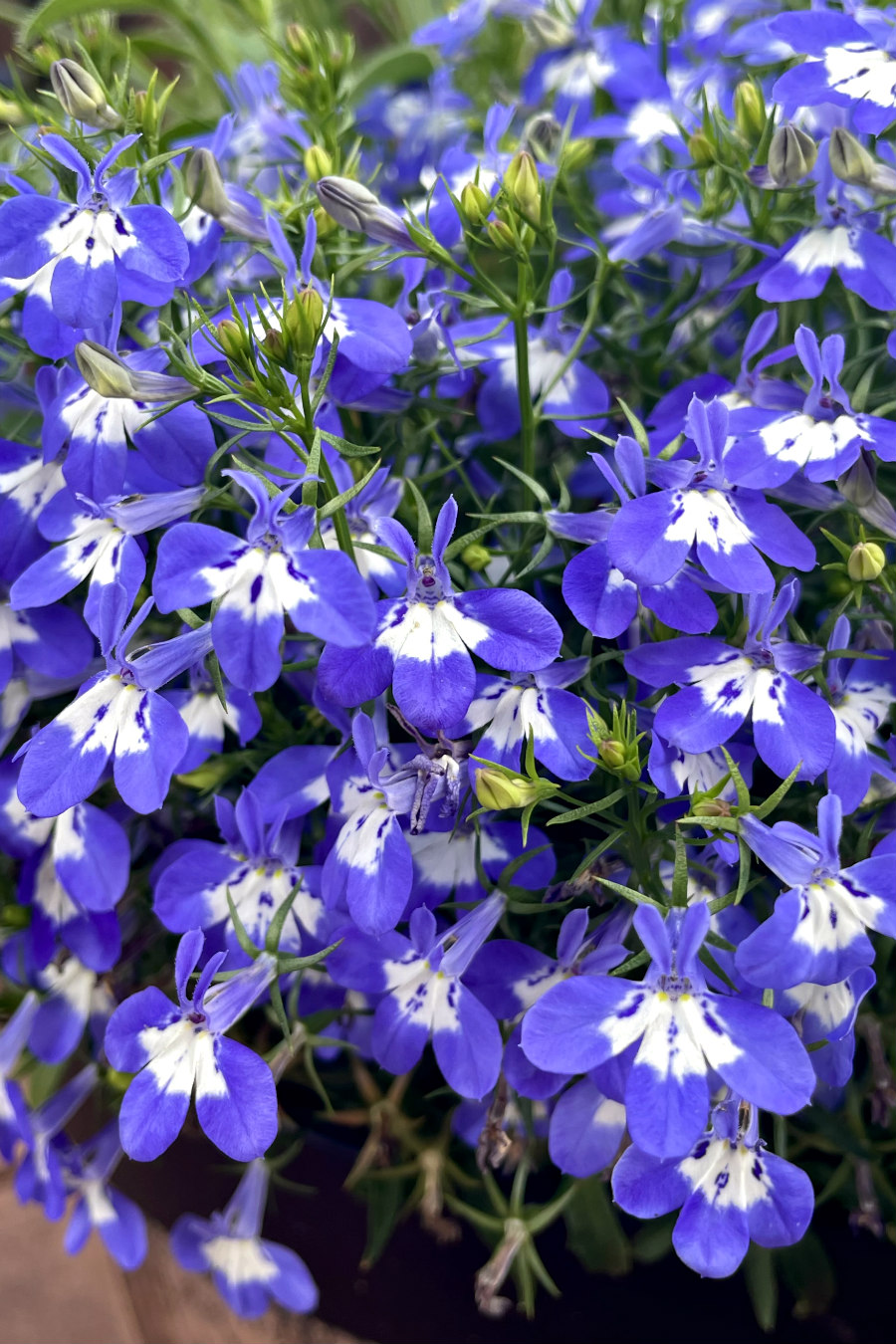
While I was putting my Red, White, and Blue Container Garden together, I found blue lobelias at a garden center. The tiny blue flowers were the perfect "filler" addition to this planter. They're heat tolerant flowers also attract pollinators.
Wishbone Flowers
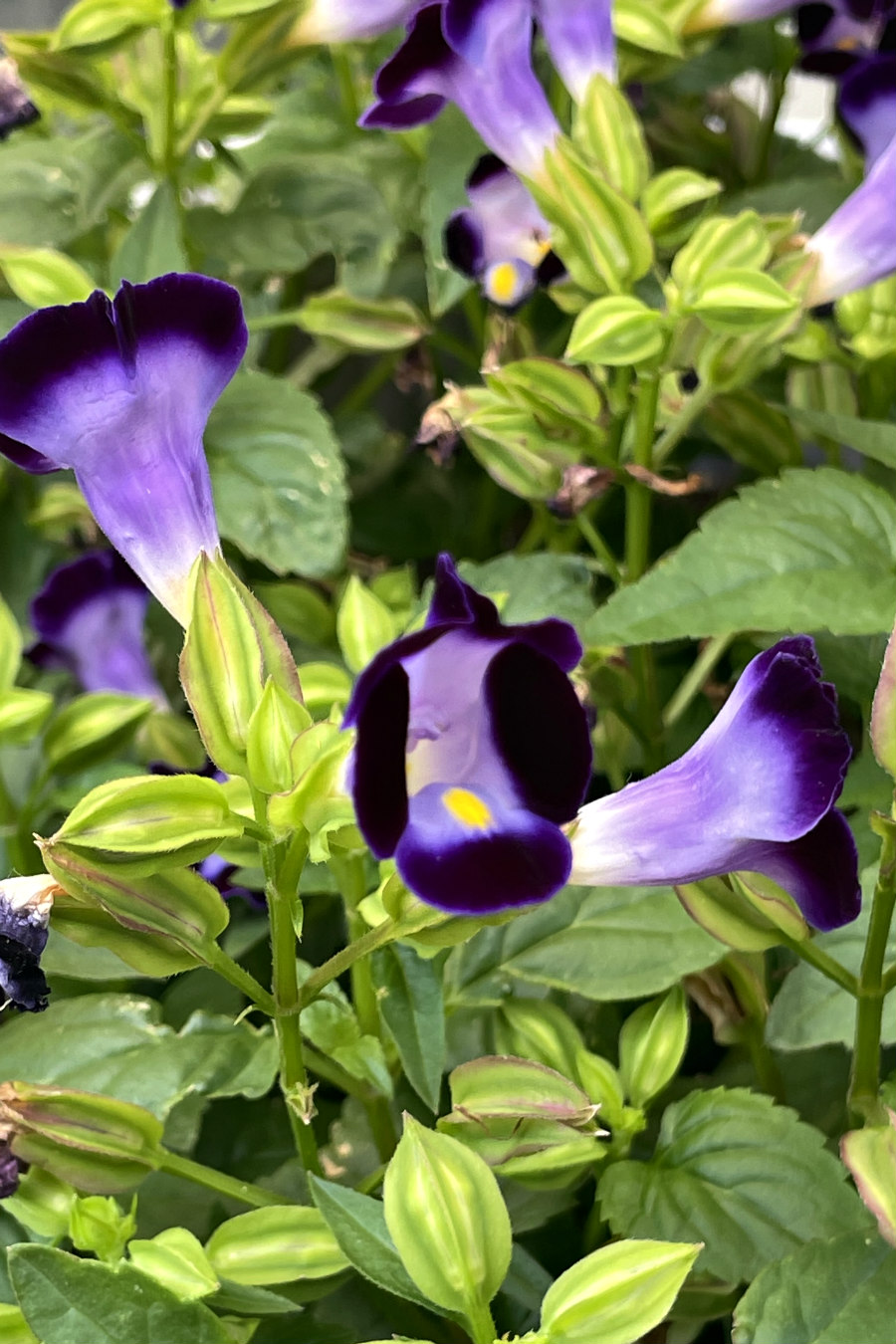
I had a couple hanging baskets I needed to fill on the shadier side of our house. While I usually opt for shade-loving flowers like begonias, impatiens, or fuschias, I decided to look up other varieties and came across wishbone flowers. They'll continue blooming up until the fall and are pollinator-friendly. You can eat these flowers, as well, but I'll leave them to the bees and butterflies.
Violas
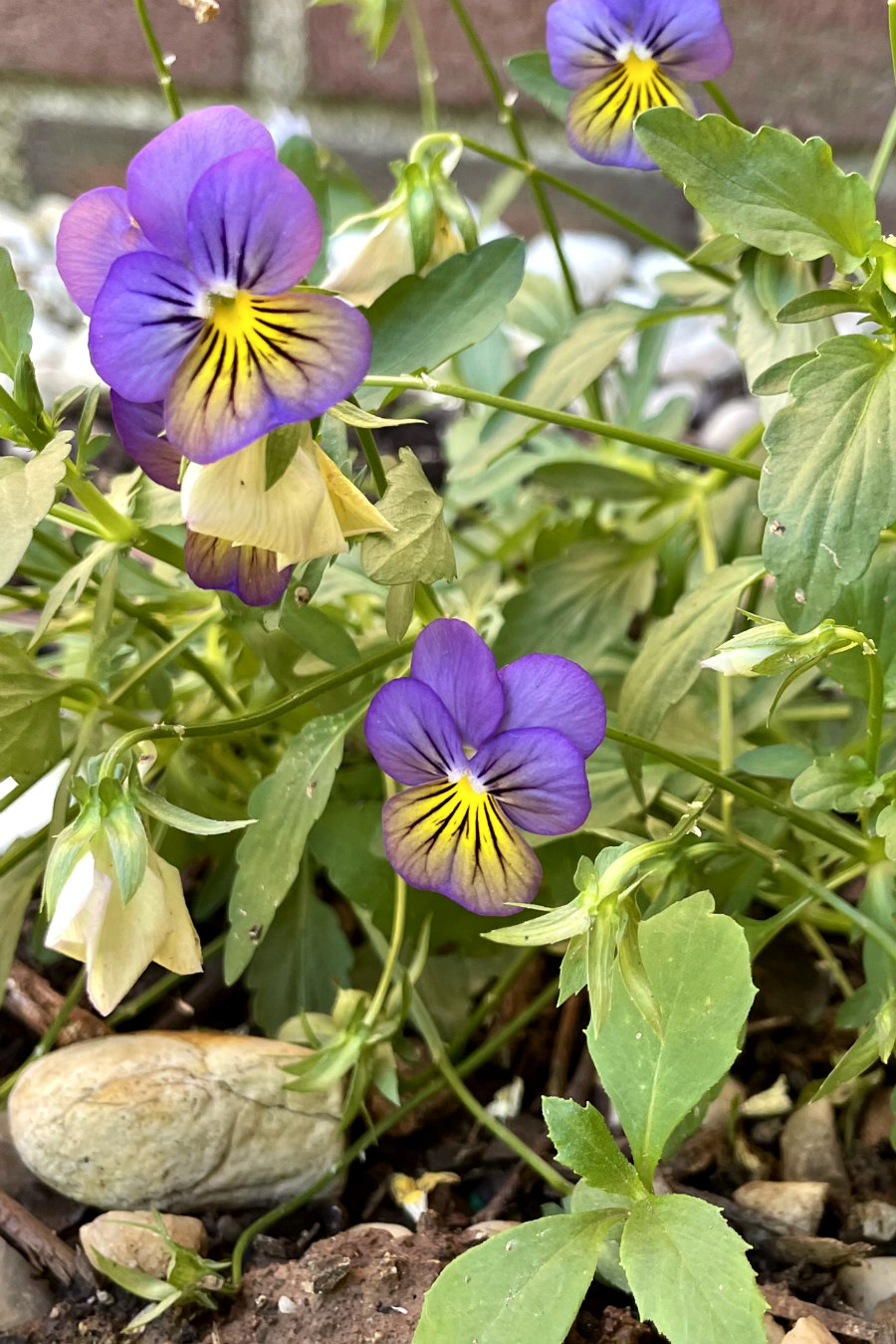
Violas are one of the earliest flowers to be planted in our yard. I received some from Bonnie Plants at the start of spring. While the summer heat tends to beat them up a bit, I have them planted in a shadier area of the front yard where they seem to be doing pretty well. Violas are available in so many colors, make a cute garnish for salads, drinks, and desserts, and pollinators love them.

Lantana
Lantana is a must-have for attracting butterflies. Their nectar-rich flowers attract pollinators, are heat-tolerant, and add lots of color to the yard. I have them planted in my Fiesta Pollinator Container Garden. They can also apparently deter mosquitoes - always a plus during the summer!
Zinnias
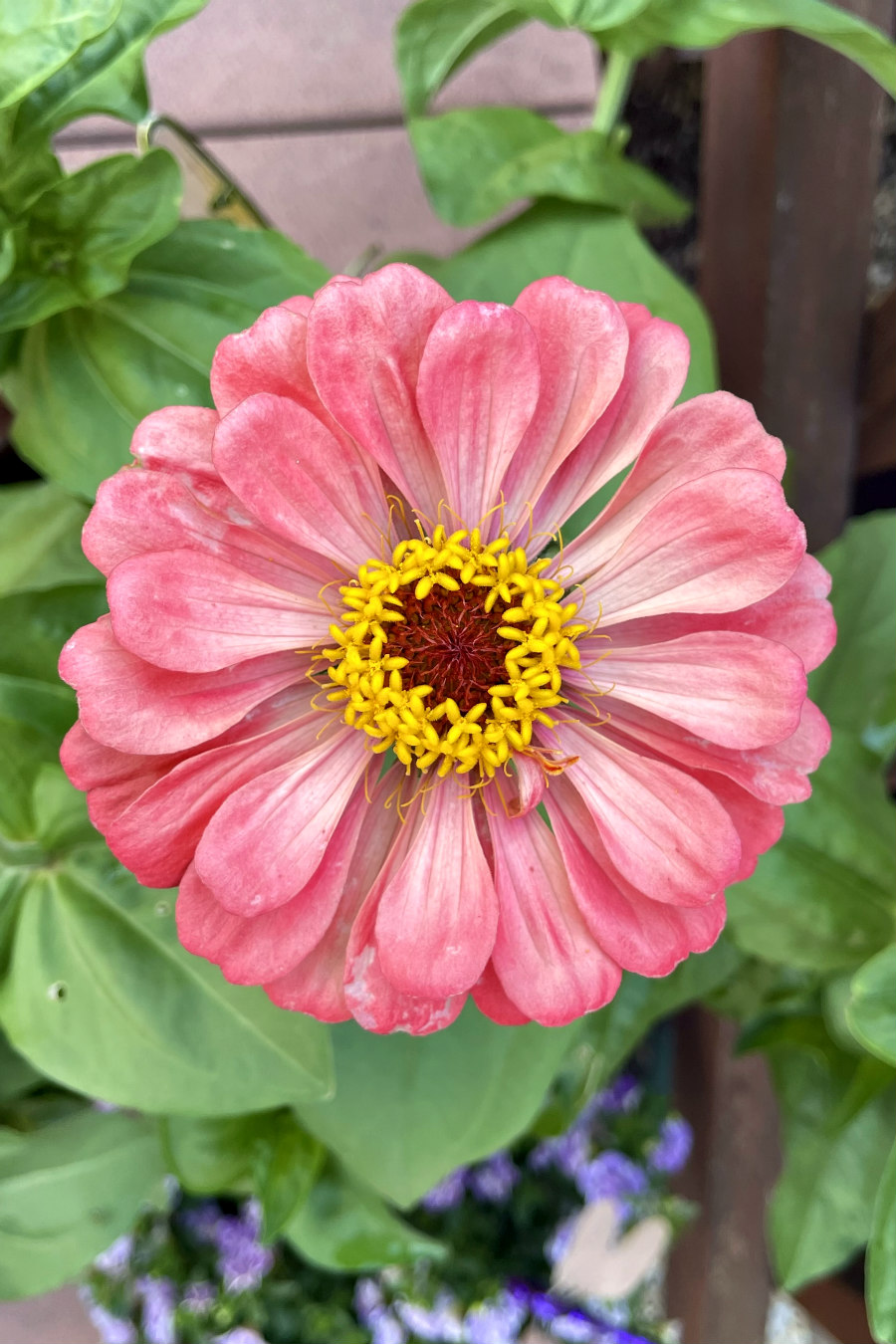
Zinnias have become another must-have in the garden. They're loved by butterflies and other pollinators. Their colorful blooms are available in so many varieties and look great in pots or right in the ground. They're easy to start from seed and heat tolerant. You can also use them as cut flowers. This year, I have a few varieties growing in pots as well as in corners of our vegetable garden.
Marigolds
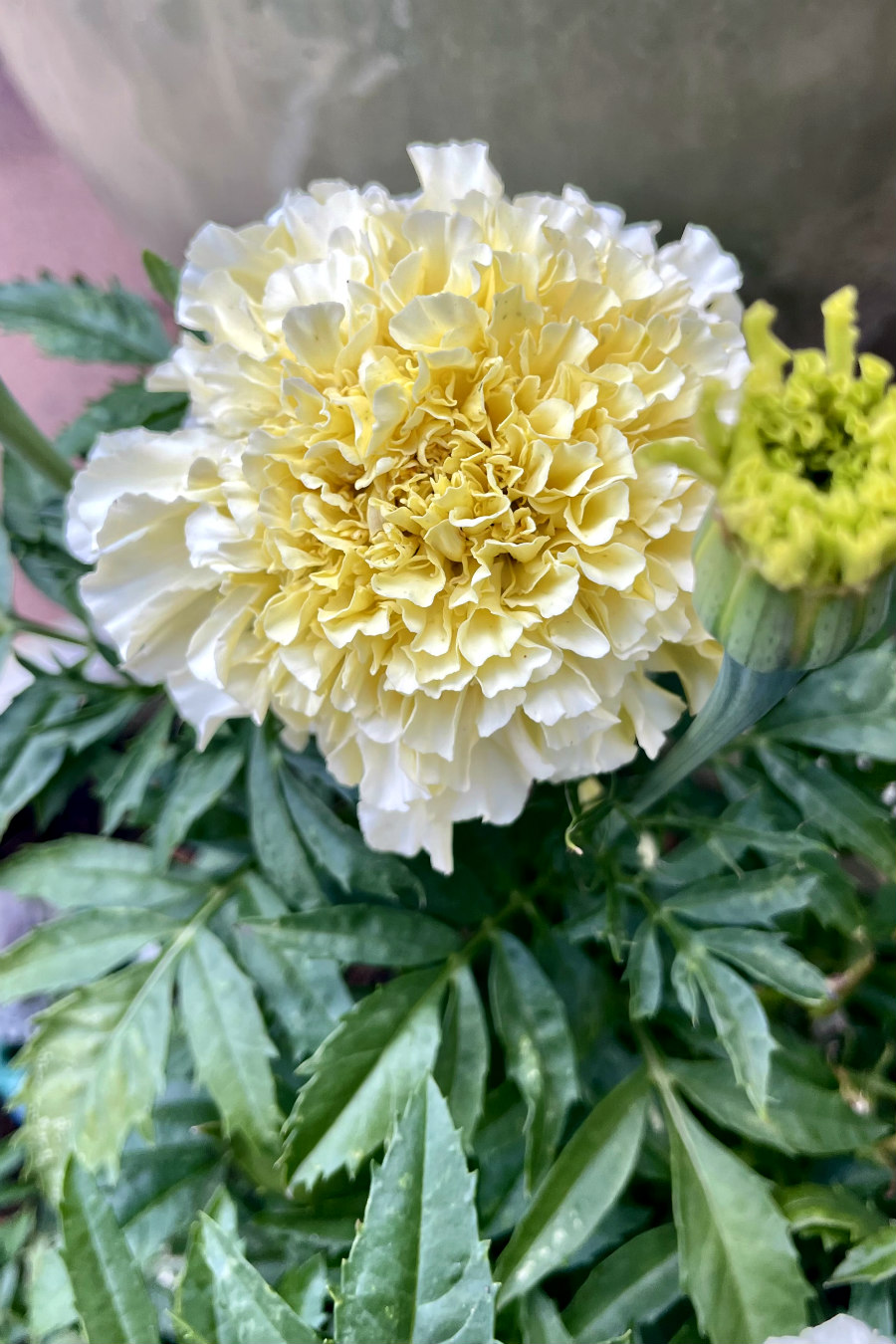
If there's one flower I'll suggest anyone to grow it's marigolds. Known for their pest deterrent abilities, marigolds are now available in a variety of colors and types. This year, I tucked traditional French marigolds in my herb and strawberry gardens. Then, I played around with other varieties.
I have white marigolds growing in a pot on our back steps and have fallen in love with "Strawberry Blonde" French marigolds. The colors are beautiful! Plus, marigolds will grow until the first frost, so their blooms will fit right in with fall decor.
Meadow Sage
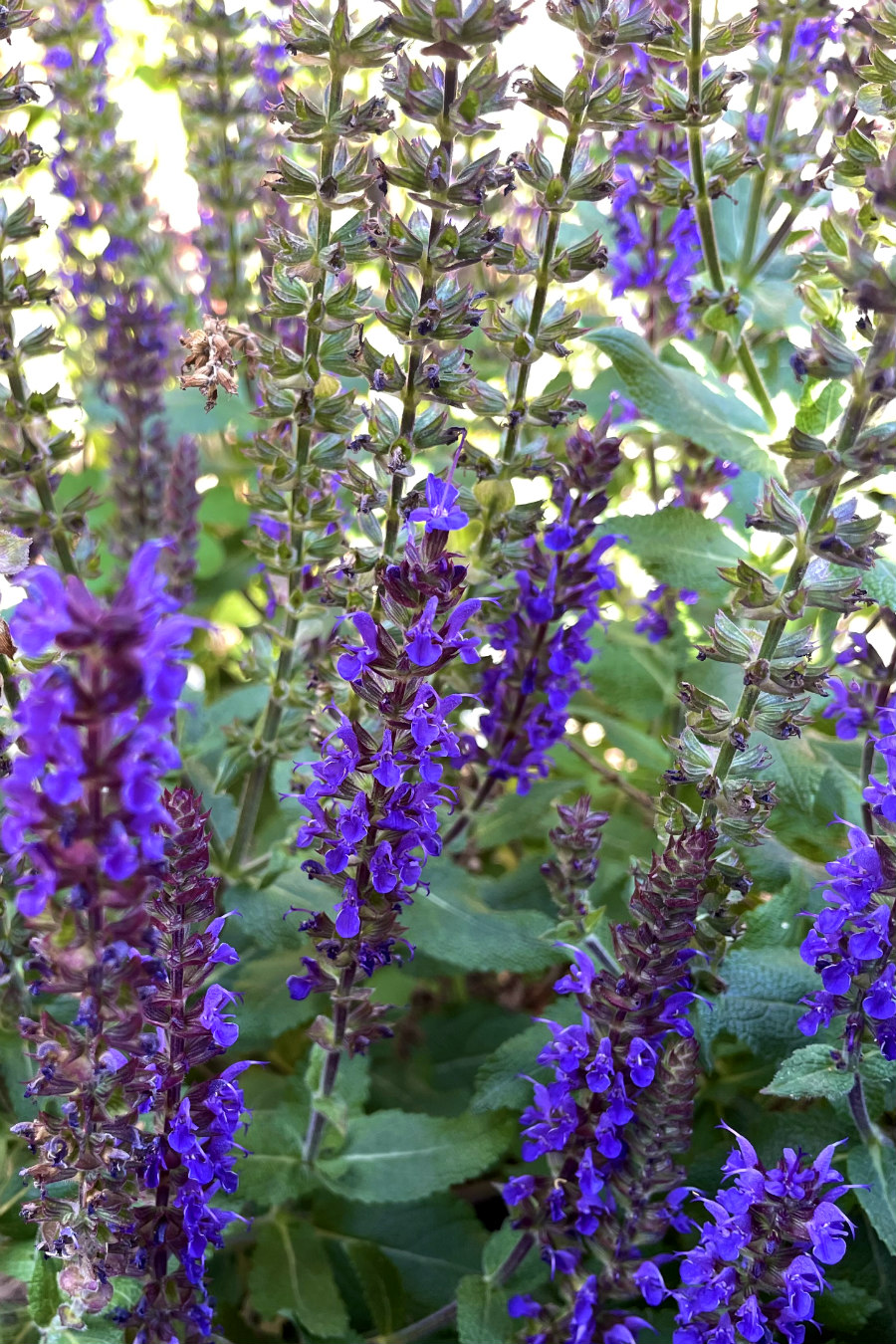
We have grown meadow sage for years now (it's a perennial). It's technically an herb, like culinary sage, but grown for its ornamental flowers. This year, I decided to move one of our meadow sage plants to a pot in the backyard. Every summer, the bees buzz like crazy around these plants. So adding a pot of meadow sage near our vegetable garden seemed like a smart move. Plus, the spikey stems of purple flowers are so pretty!
Calendula
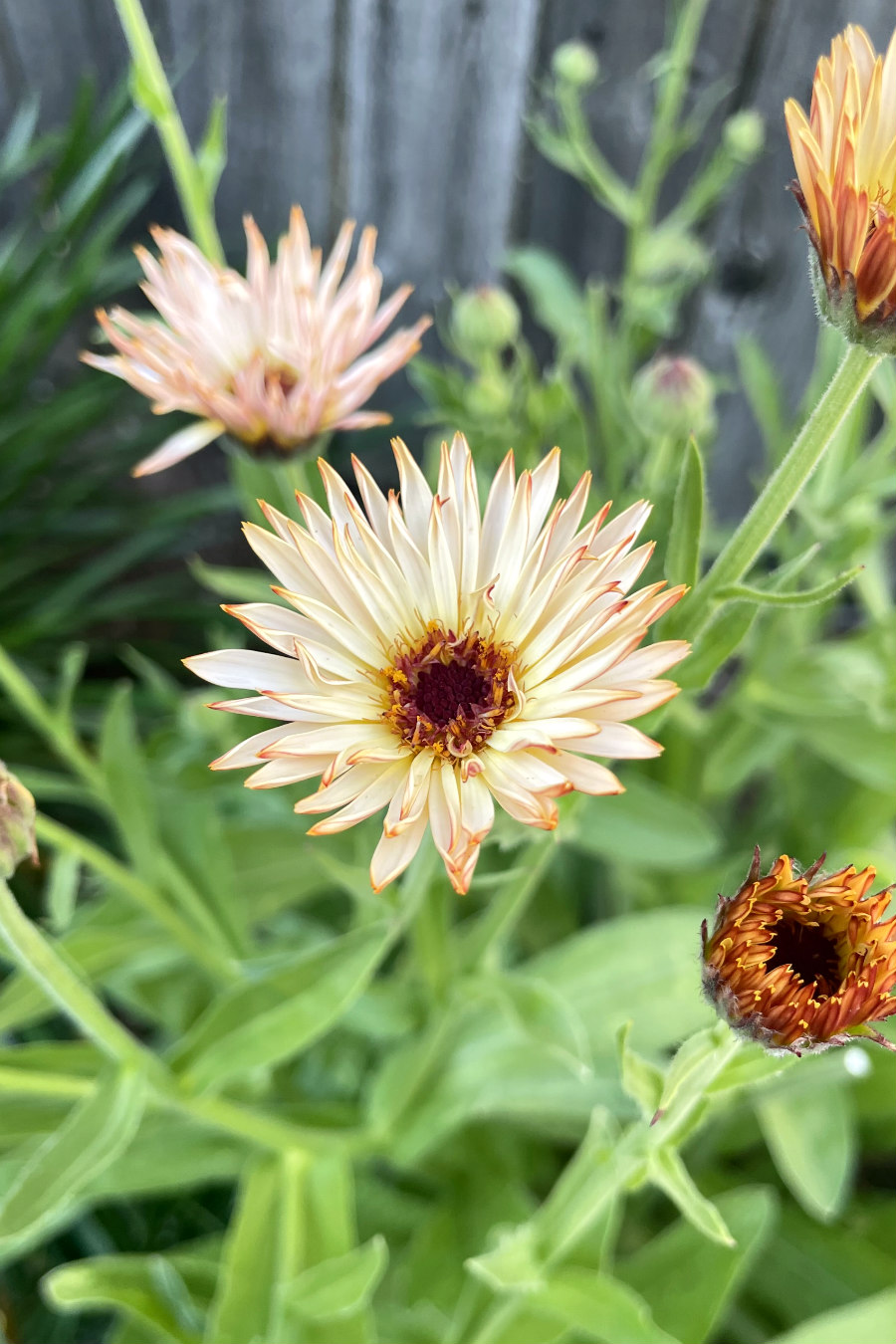
Calendula has quickly become a favorite flower of mine. It's also considered an herb, but we're sticking it in this list of flowers. It's a self-seeding plant and really surprised me when a couple of my plants from last year actually came back after brutal winter we had.
Now, I've added a couple new varieties to my flower patch. It's a natural pest deterrent. But I like to grow it to dry the flowers. Not only do I use them in products, but I discovered how great they are for making homemade skin salve.

Hollyhocks
I wanted to add some height to our flower patch, so I planted hollyhocks earlier in the spring. They fit right into cottagecore gardens and their nectar-rich flowers are loved by pollinators. Since this is my first year growing them, I'm not quite sure what to expect. We might not even get flowers this year. But I eventually can't wait to see big, tall stems filled with gorgeous blooms.
Cosmos
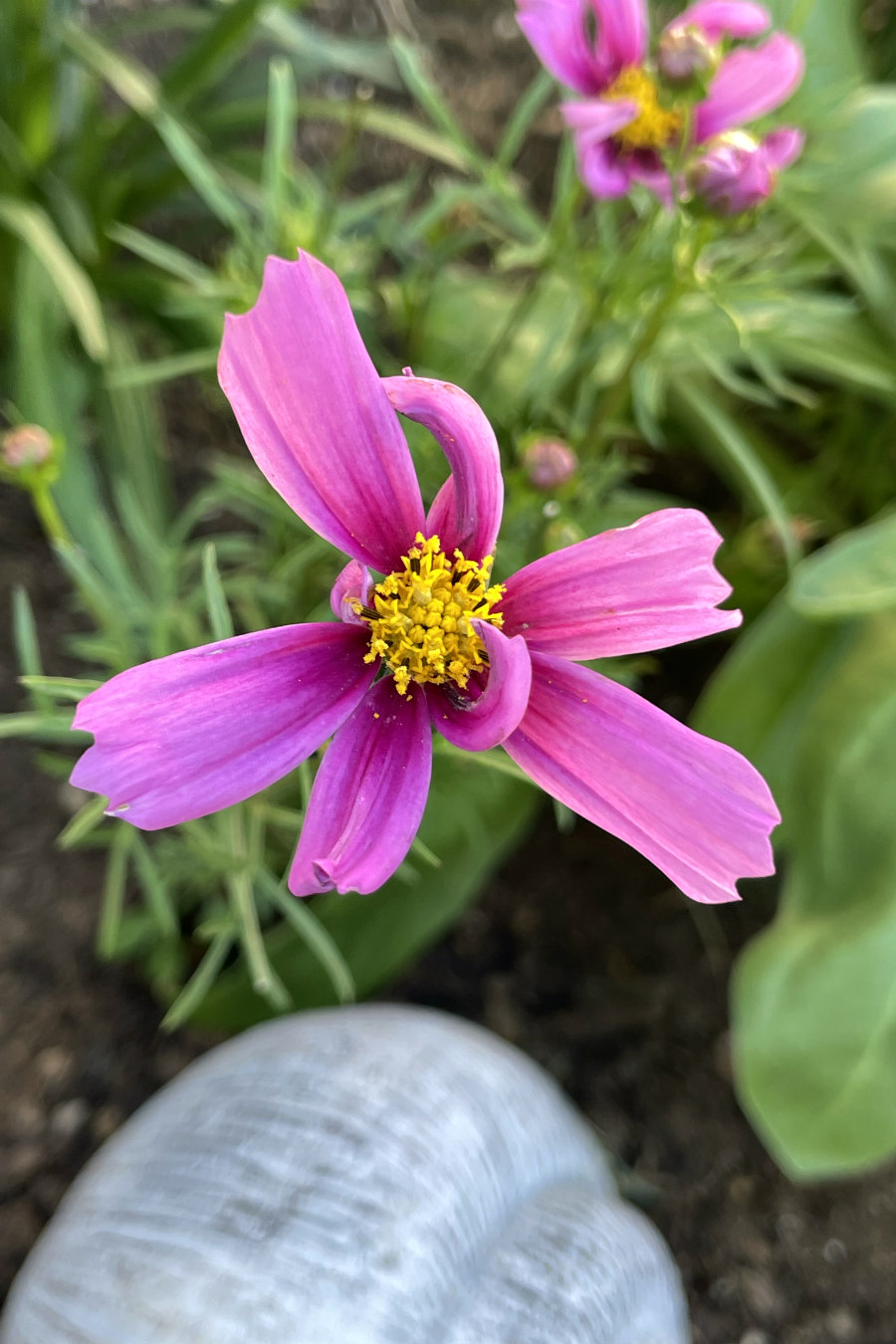
Cosmos are another cottagecore-friendly favorite. The "chocolate cosmos" seeds I purchased ended up being your standard variety of cosmos. I'm okay with that though. What's bloomed so far has added nice color to the flower patch. Plus, I love their feathery leaves. Cosmos are a great addition to cut-flower gardens and attract pollinators, too.

Black-eyed Susans
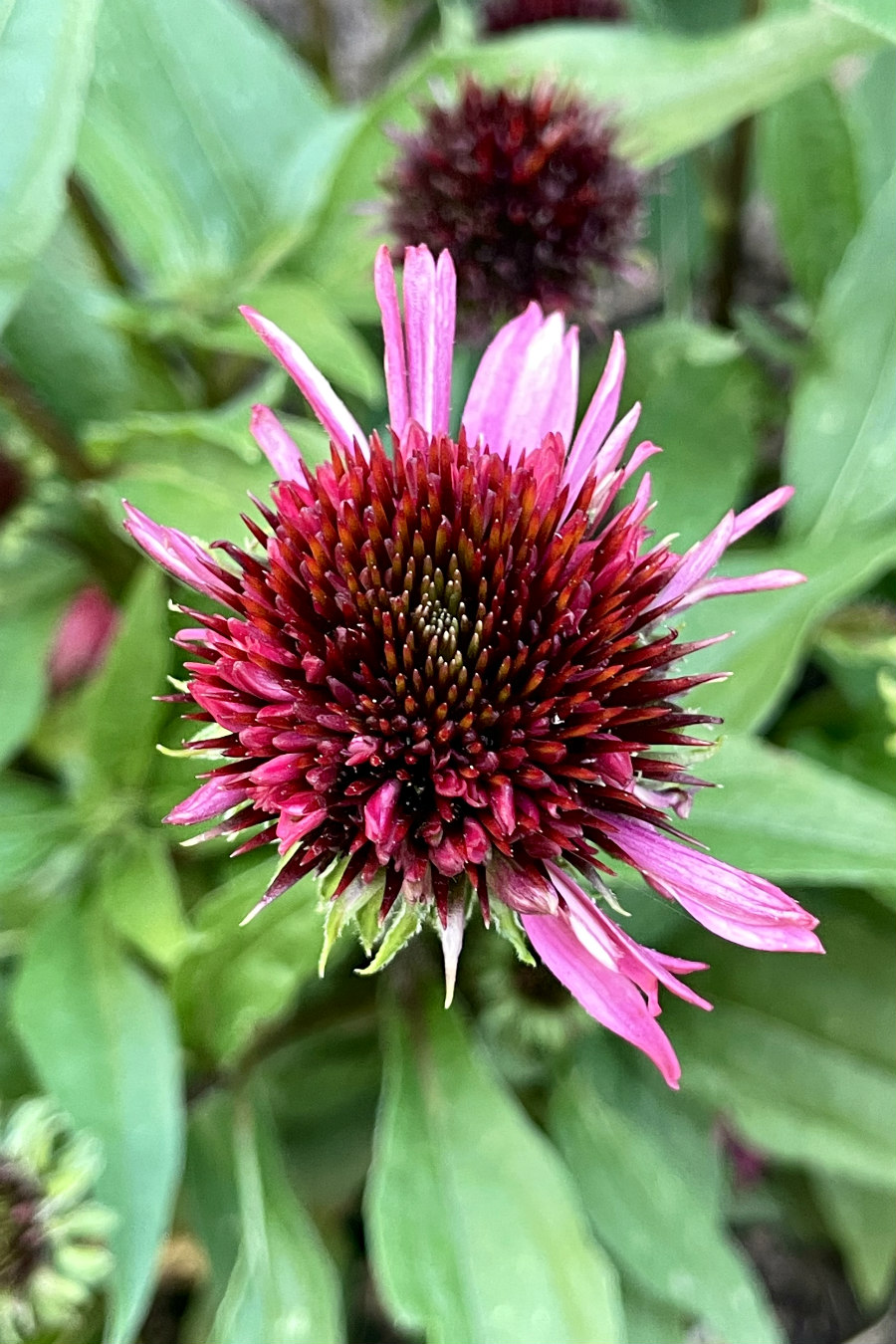
I don't have your average yellow Black-eyed Susans growing in our yard. I was gifted this deep red flower late last summer. This year, they've found a permanent place in our flower patch. Their blooms attract pollinators and, at the end of the season, their seed heads will feed the birds.
Coneflowers
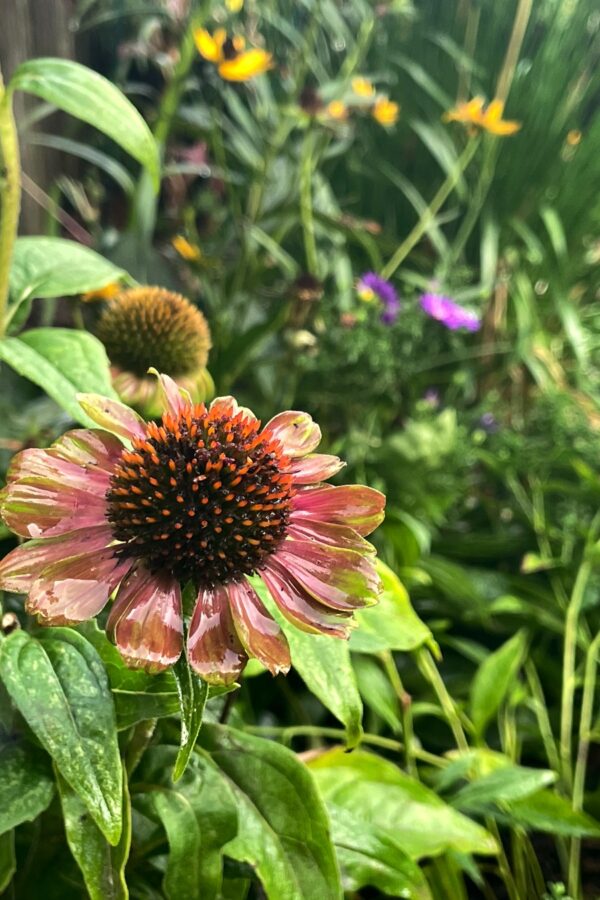
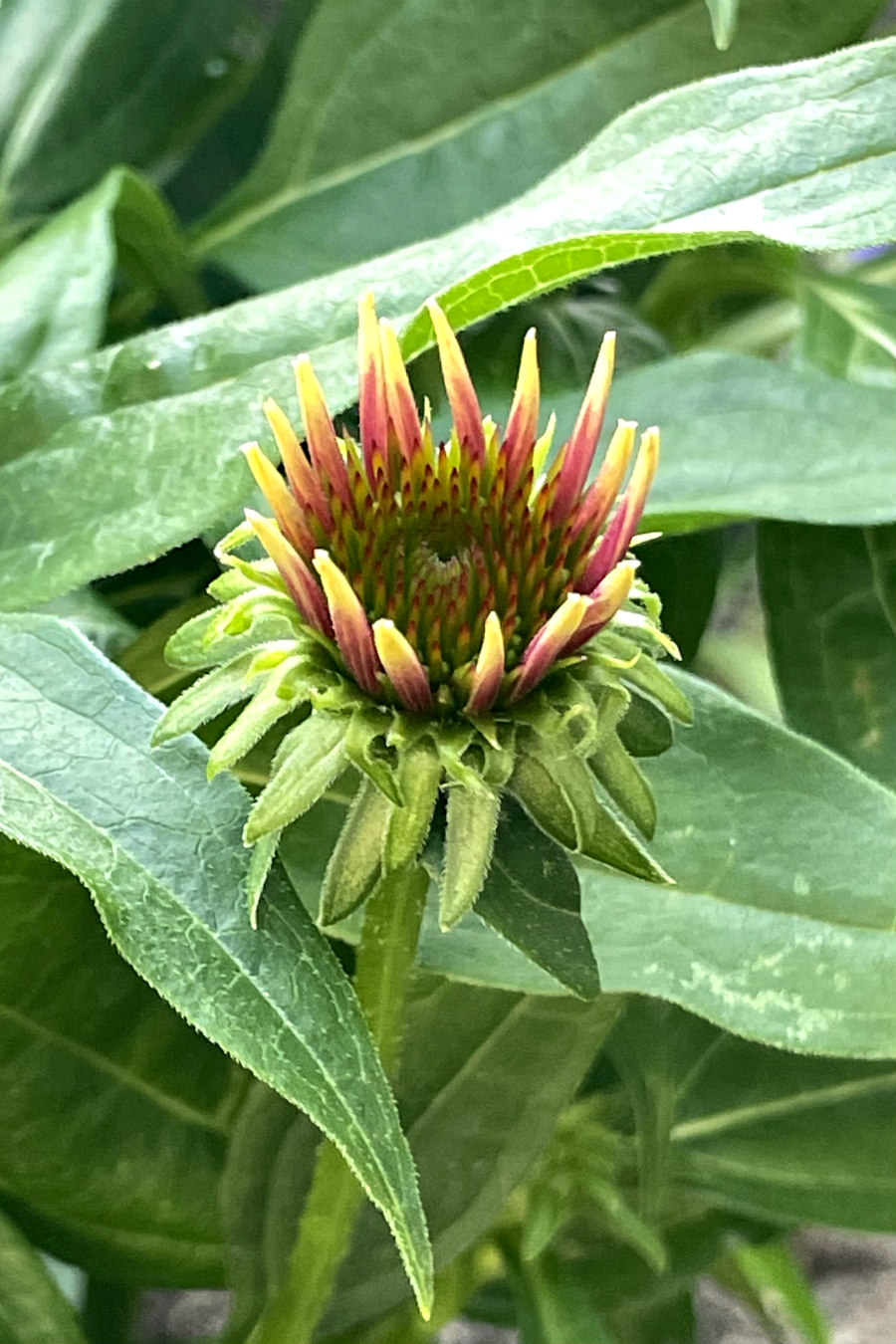
Coneflowers are a powerhouse in your yard. They add some serious color, are pollinator-friendly, make nice cut flowers, help control pests, their dried seeds feed the birds, they're pretty low-maintenance, and they can be used medicinally. Plus, most coneflower varieties are native to the US. I'd totally recommend planting them.

Alliums
I added alliums (in the onion family) to my flower patch late last year so the blooms didn't last too long for me. However, I'm getting very excited for the tiny buds that are emerging to burst into purple globes of flowers. They attract pollinators, deter pests, and can help other protect certain plants from diseases. Plus, they add a cottagecore vibe, which I love.
Agastache
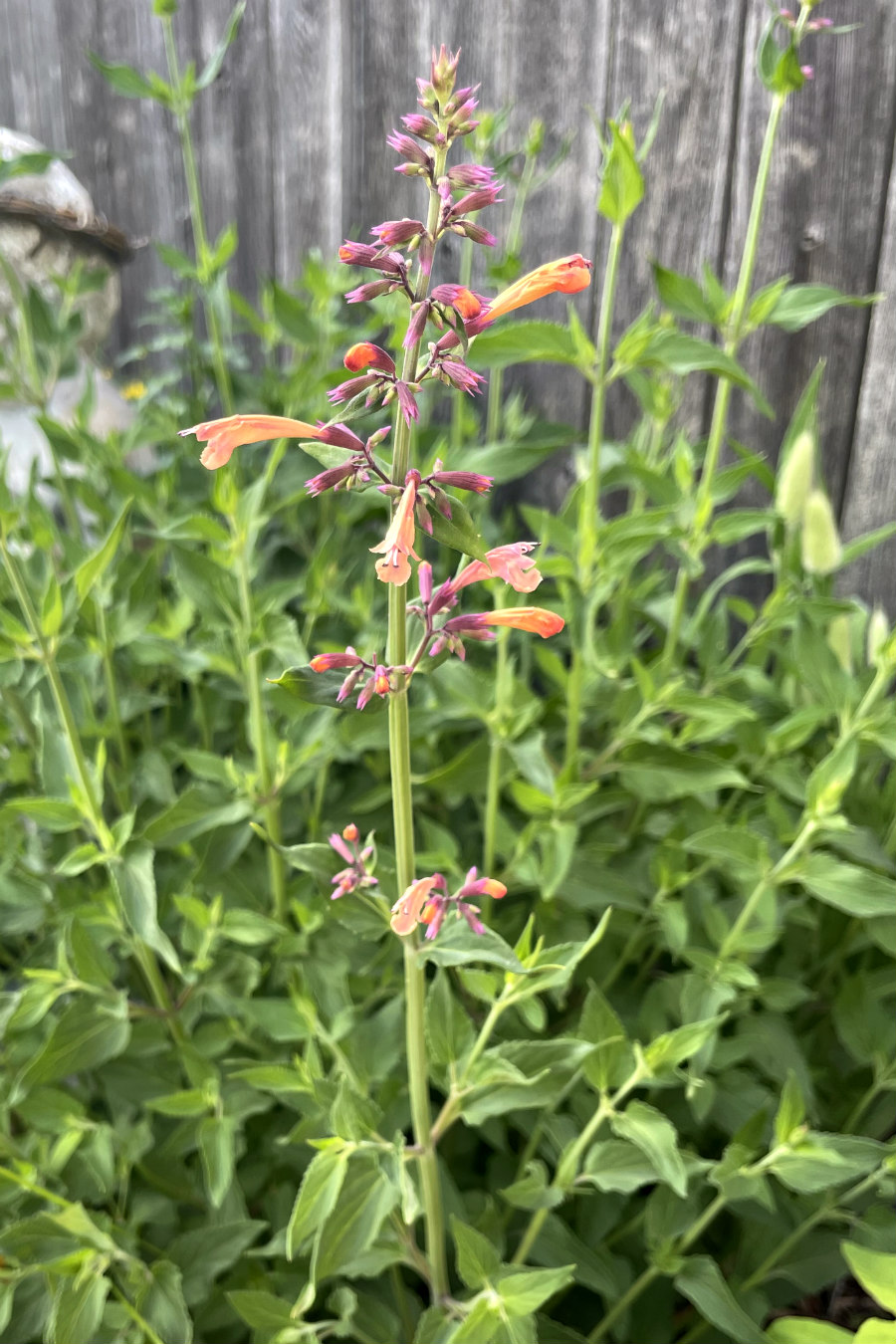
Another flower I've become completely obsessed with is agastache (also in the hyssop family). Their tubular flowers attract pollinators - the bees really seem to love these - and they're available in a variety of colors. They can be used as cut and dried flowers, too. And you can even use them for teas and other culinary varieties.
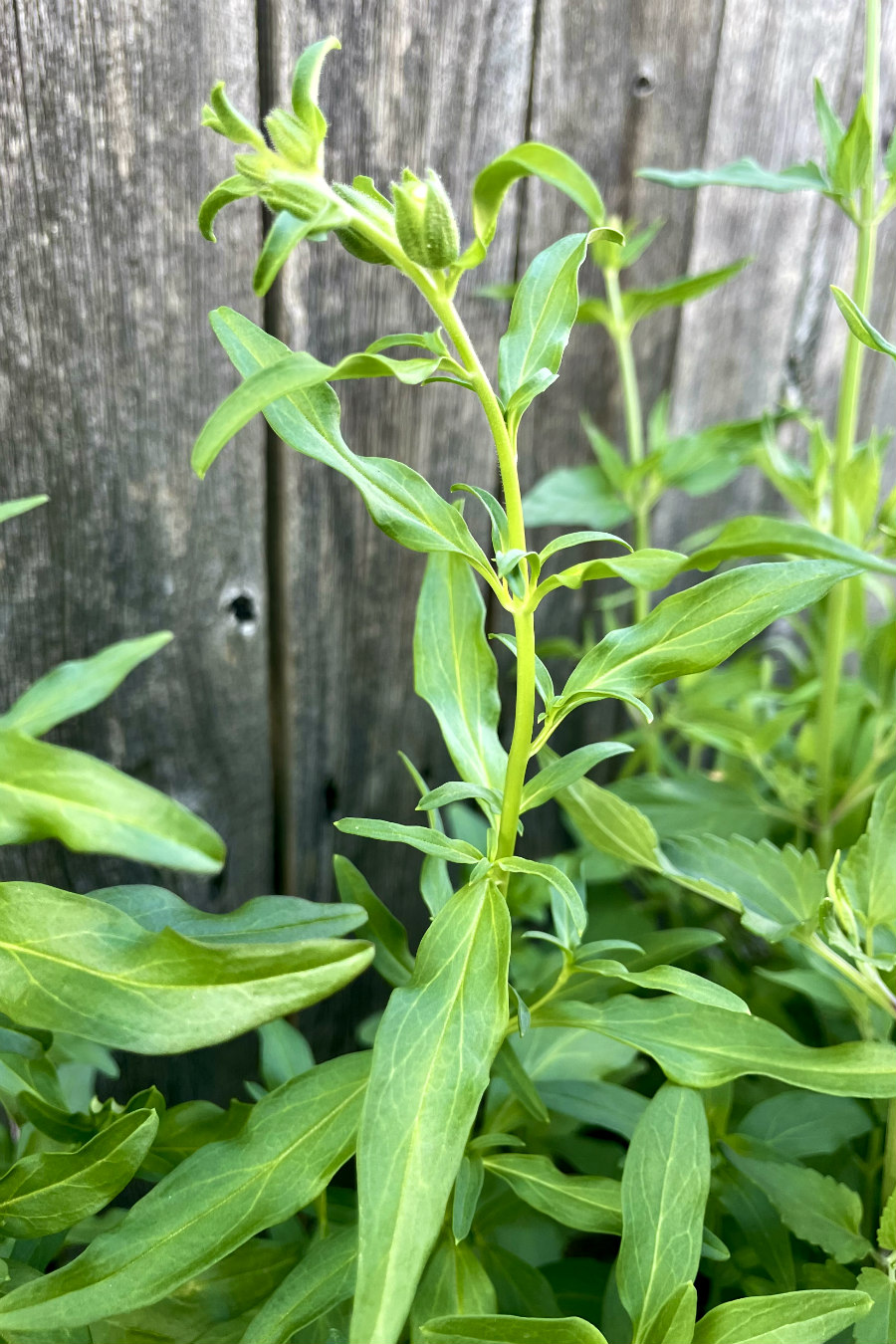
Snapdragons
Snapdragons are one of the most playful flowers to add to the garden. They're easy to start from seed and their tall, colorful blooms attract pollinators. I like to grow them to use in fall products. Once the flowers die, their seed pods look like tiny skulls. But while they're blooming, they add height and interest to the flower bed.
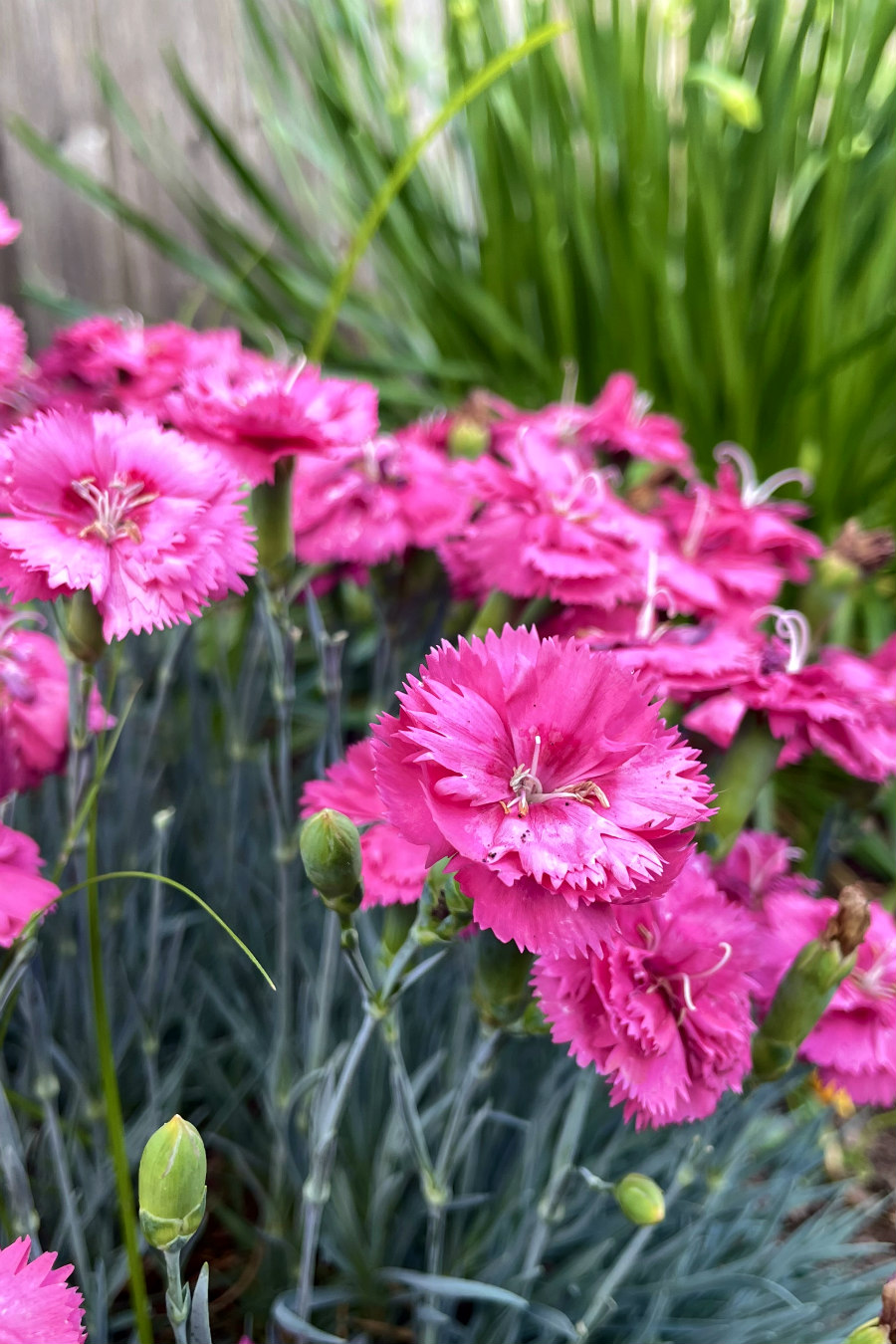
Dianthus
I moved my dianthus plant to the flower patch early in the spring and it's loving its new home! So many pink flowers are blooming and I absolutely love their scent - it's a sweet clove scent. I grow it to dry the flowers to use in simmer pots.
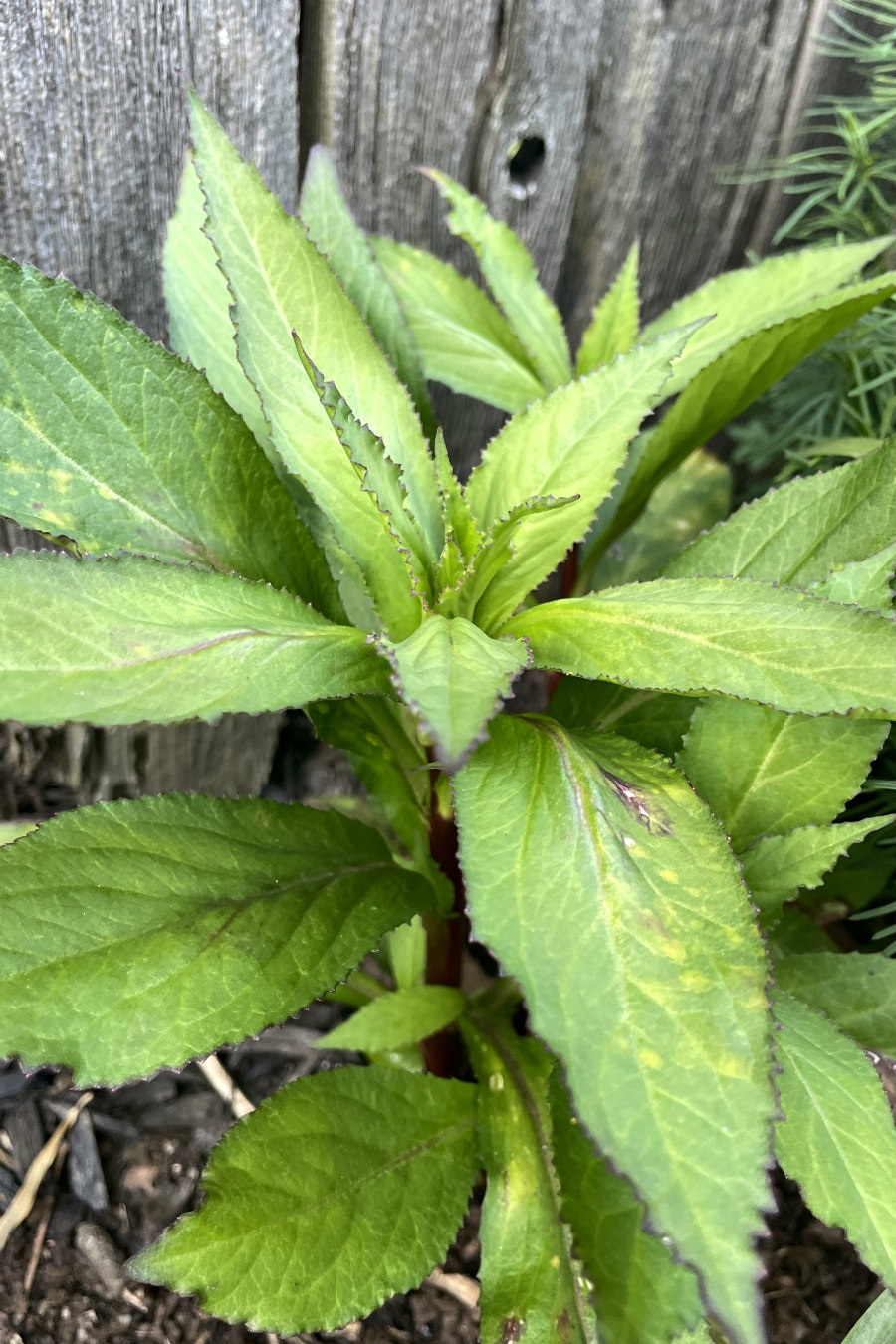
Cardinal Flower
I transplanted my cardinal flower early in the spring. After moving it to its new, permanent spot, it wasn't looking its best. But it's currently making a comeback and I look forward to seeing its tall, spiky red flowers later in the summer. The blooms attract all kinds of pollinators and add bold color to landscapes.

Amaranth
Amaranth is a new-to-me variety and was a last minute decision when I was planning what flowers to add this year. But after reading about these flowers, I had to have them in my yard. The Love Lies Bleeding variety I bought will grow about 5 feet tall. The flowers are kind of amazing.
They not only add drama, but the seeds are a gluten-free plant protein. We're talking super nutritious. You can use the leaves like spinach, too. While I want to try and harvest some of the seeds for myself, the birds like them, too.
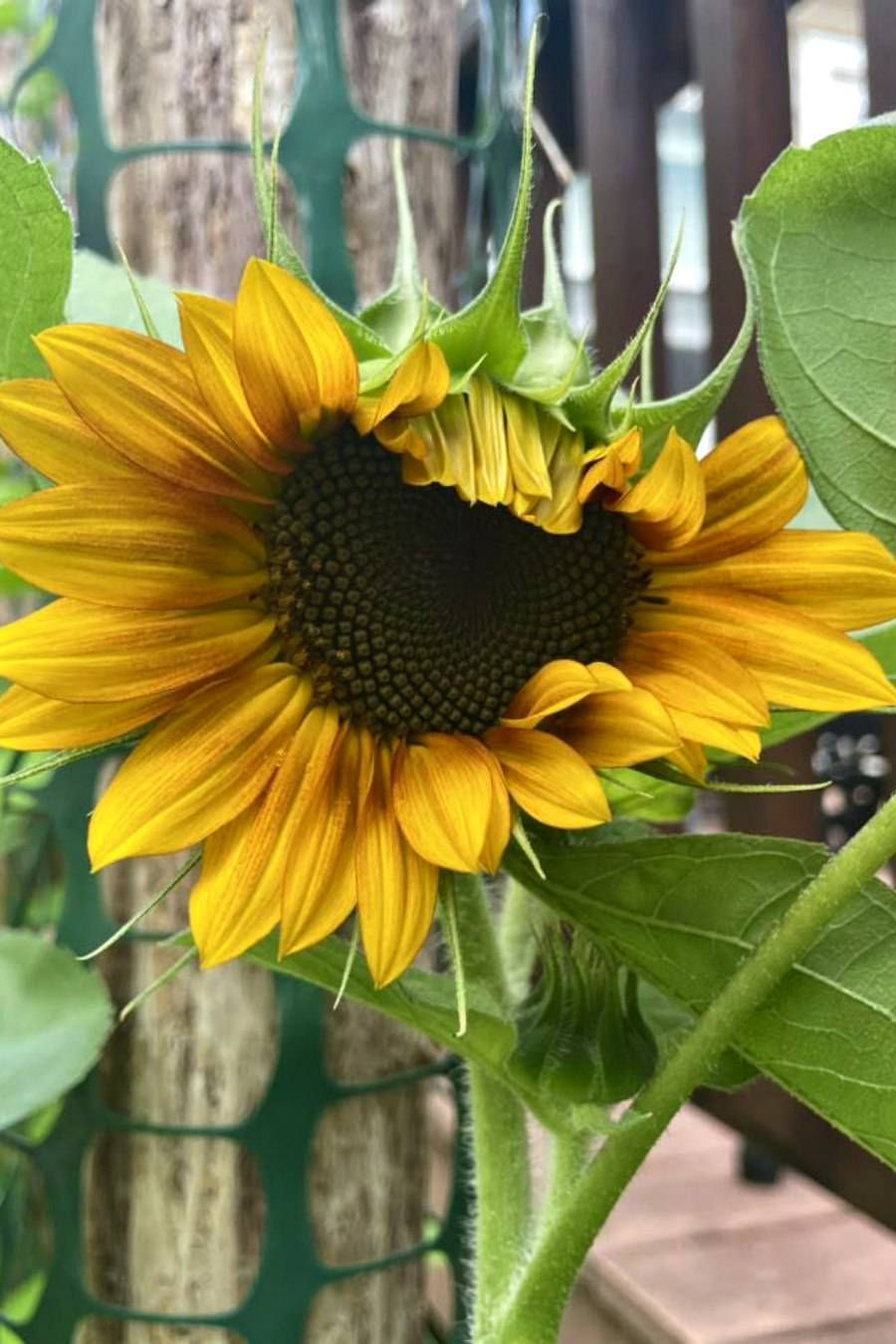
Sunflowers
I love growing sunflowers each year. They create a natural privacy fence along our deck. Plus, I love watching the birds eat the seeds from these large flowers. They're pollinator-friendly and there are so many varieties available. But you can't go wrong with a mammouth variety that grows extra tall. You'll end up with huge seed heads you can dry for the birds or to plant the following year (or both since you'll get a lot of seeds from just one seed head).
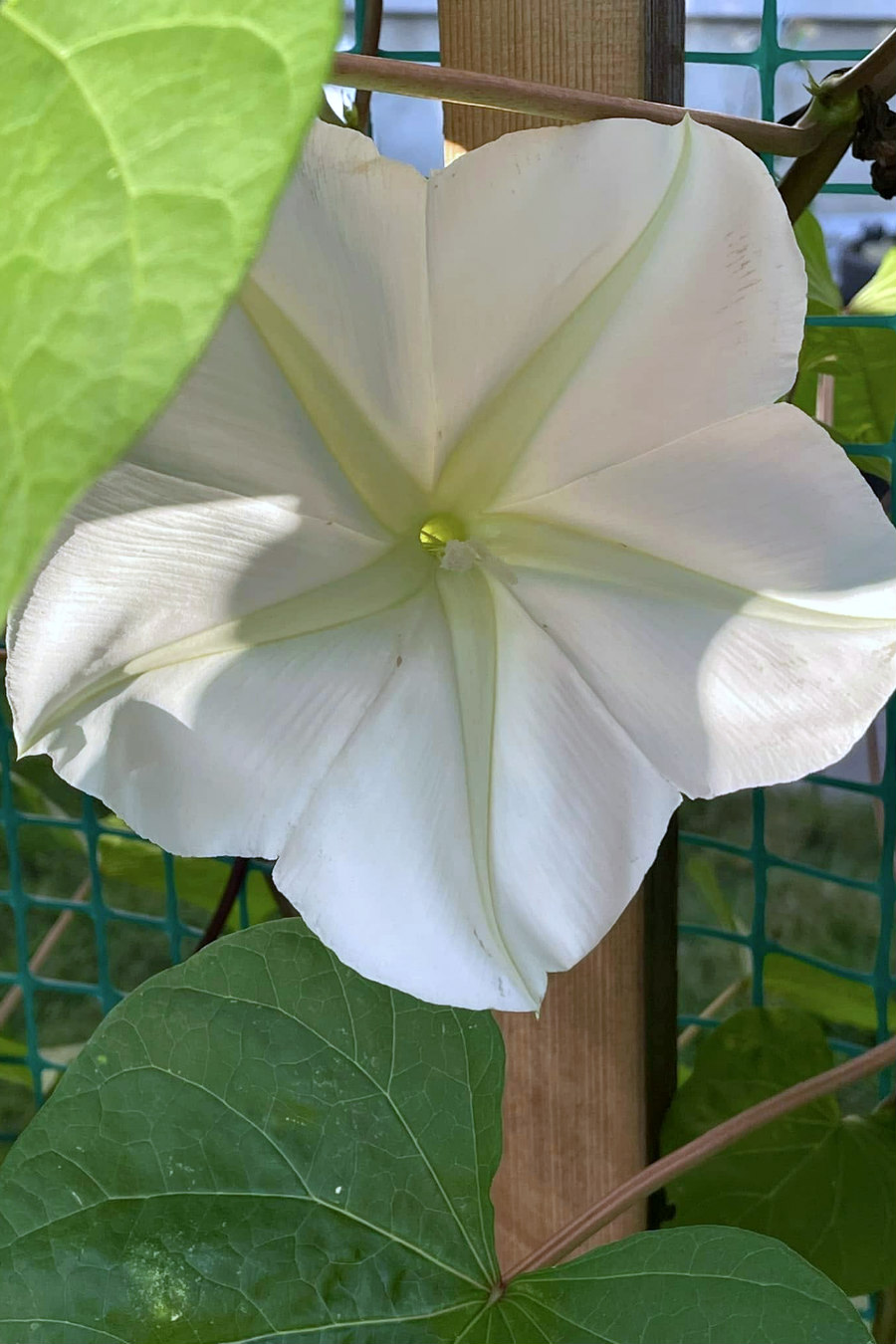
Moonflowers
Want to add some showy flowers that bloom in the evening and smell amazing? Grow moonflowers! These climbing flowers open in the evening. Each flower only blooms for one night, but you'll have flowers all season long. They support nighttime pollinators and make a great addition to moon gardens. At the end of the season, it's so easy to crack open the seed pods and save the seeds, too. In fact, I'm even selling seeds in my Etsy shop.
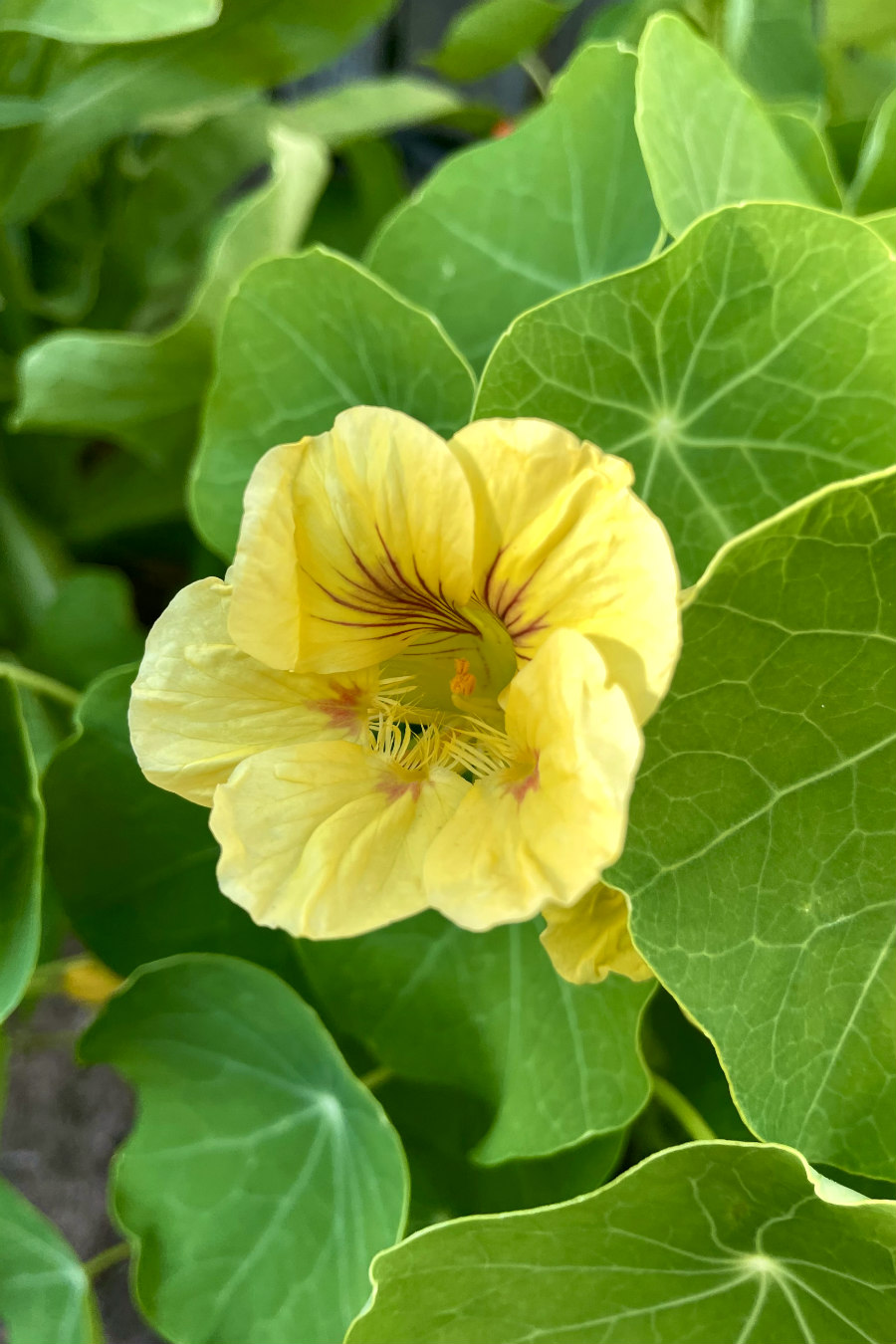
Nasturtiums
I planted nasturtiums in a pot last year and let me just say, they're a cool flower! Not only do the leaves look like little lily pads - which I think is adorable - but they have pretty orange and yellow flowers. The plant itself is a trap plant for nasty little garden pests. You want to get rid of aphids? Grow nasturtiums.
Now here's the extra cool part - the entire plant is edible! So while you're not trapping the bad guys, you can add the flowers to salads or use them as a garnish. The leaves can also be used like leafy greens. Both the flowers and leaves have a peppery flavor. But my favorite thing to eat off nasturtiums is the seed pods. Pickle them and you've got yourself peppery capers. So good!

Dense Blazing Star
Dense Blazing Star is another new-to-me variety. I bought them the same time I bought my hollyhocks. They're planted all over my flower patch. They're a native flower, supports pollinators (especially monarch butterflies), adds height and color to the yard or garden, plus the seeds are enjoyed by birds. You can also use them as cut flowers.
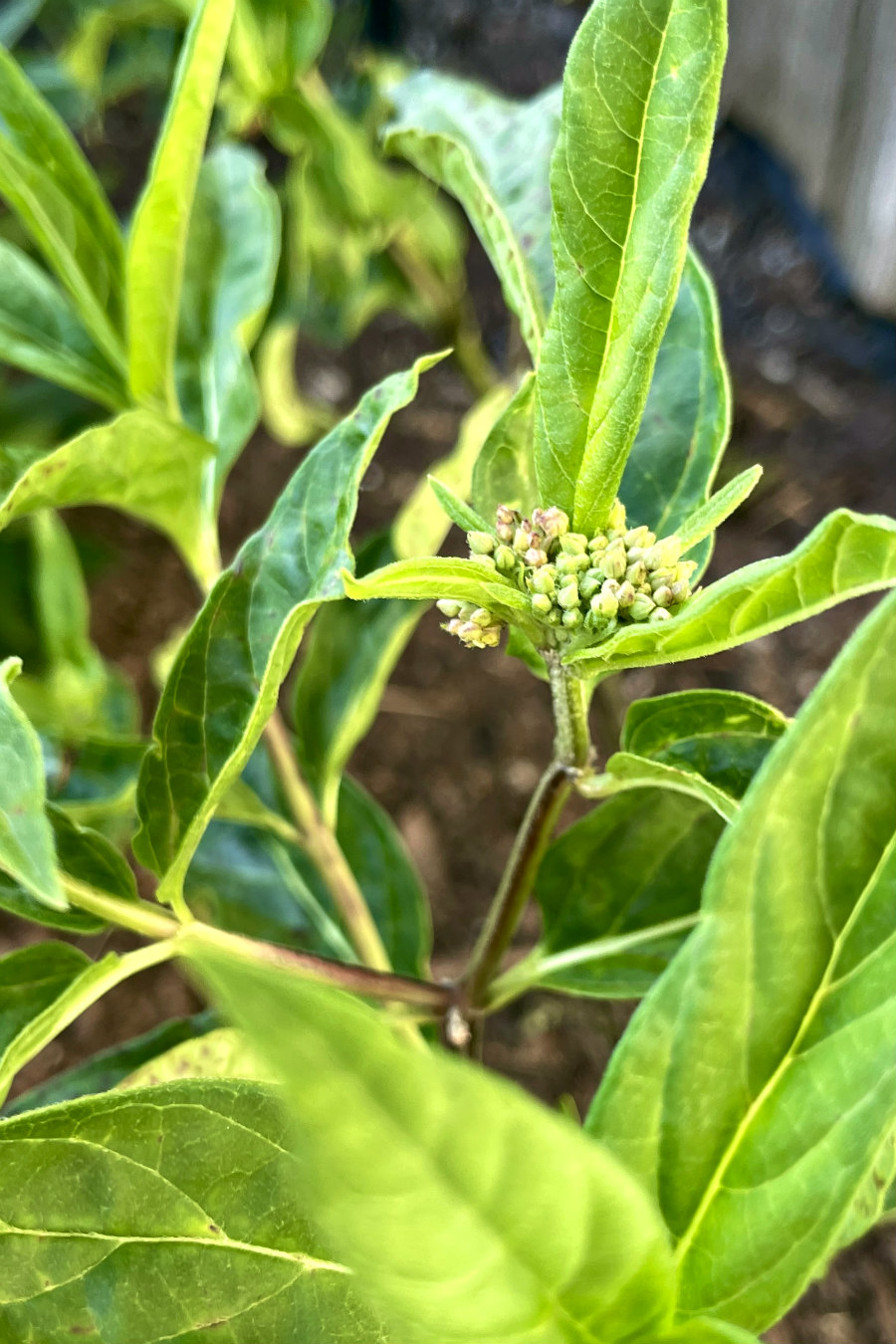
Swamp Milkweed
I got my Swamp Milkweed plant at a native plant sale last June. It was a teeny-tiny plant when I first planted it. Earlier in the spring, it got moved to my flower patch. It's just starting to form flower buds. Milkweed is the only host plant for monarch butterflies, but it also attracts other pollinators as well.

Geraniums
I successfully overwintered my orange geranium the past couple years. This year, instead of growing it in a pot, I decided to grow it in a hanging basket and add two more geraniums in hanging baskets alongside my deck. These heat-tolerant flowers are available in vibrant colors. They're also a natural pest deterrent and attract pollinators.

Lupine
I started lupine from seed and they seem to be taking forever to grow. But they're in my flower patch, they're green, they're still small though. Nothing much to show on them at the moment. That's okay because they focus their energy on roots and leaves the first year. Hopefully next year we'll have some gorgeous flowers to show for it.
Eventually, the flowers will attract pollinators, add height to the flower patch, and are another great addition to cottage gardens.
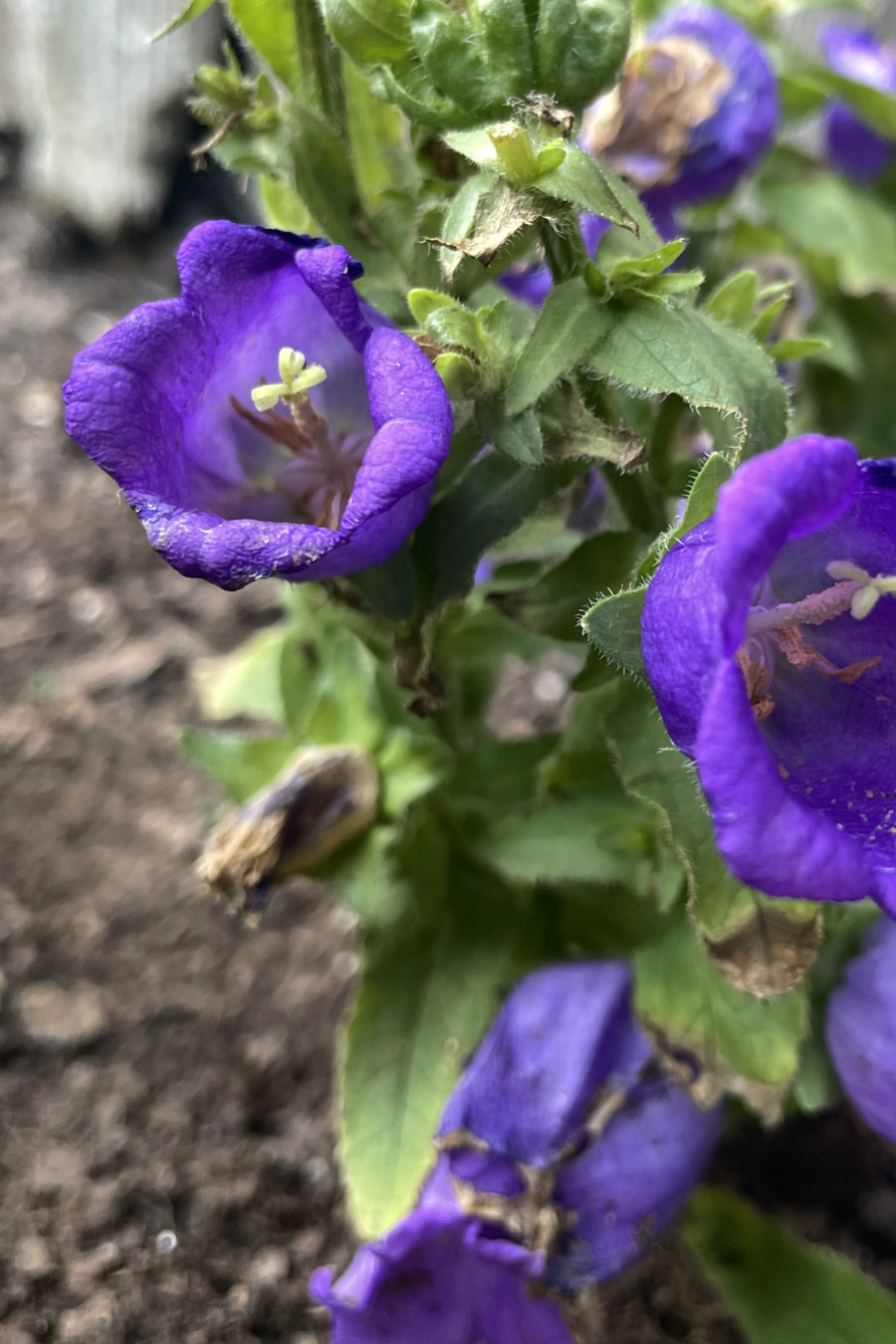
Canterbury Bells
I absolutely gasped when I saw these flowers at one of the local greenhouses. The purple bells immediately made me think of little fairy cups. I brought a plant home and grew it in a pot - but not for long. After doing some reading, it turns out that these flowers do better in the ground. So into my flower patch it went and it does seem to be growing a lot better now. It' a biennial so I'll enjoy the flowers we get this year.

Tickseed
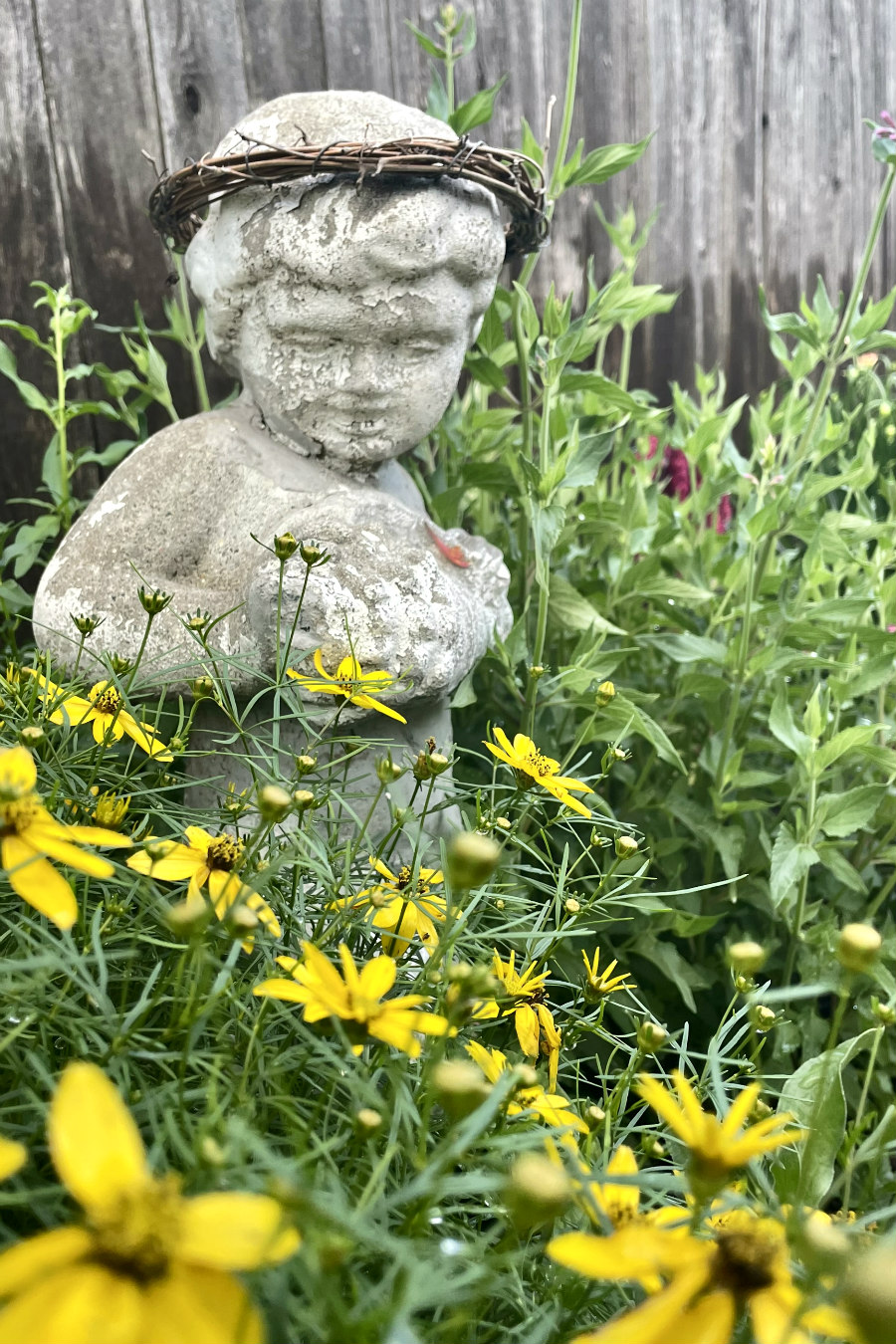
You know the crazy gardeners who pet their plants? Well, I'm one of them. Especially when it comes to my tickseed plant. This little bush of yellow flowers is native and has the most fun and feathery leaves. I like to gently "swoosh" my hand through it.
Not only is it fun to "swoosh," but it also attract many beneficial insects. Once established, it's a pretty low-maintenance plant you'll get to enjoy all season long.

Begonias
My hanging baskets along my shed have been filled with begonias the past few years because they do so well in that spot. It's pretty shady, thanks to our oak tree, so they seem to thrive all season long. While I grow them to add more color to that location in our yard, they also attract pollinators like butterflies.

Baby's Breath
When I planted my witchy container garden, I wanted to plant something light and airy in it. Then, I found baby's breath at the garden center. I use baby's breath a lot in my Etsy products so I definitely wanted to try growing it for myself.
Eventually, I'll cut it back and start drying the stems. But for now, I'm leaving it along to be a dreamy plant in this whimsical planter.
And that's everything - not including dark purple tulips, white daffodils, foam flowers, and hellebores that bloomed in the spring and the perennials that have been blooming for years now. Next week, we move onto our vegetable garden. I'm sharing all of the tasty veggies we have growing. The list is a bit shorter than these past two weeks, but there's still quite a variety growing.