If you're looking for a simple way to add a balance of beauty and support in your garden, plant marigolds. They're easy-to-grow, bold and colorful, attract beneficial pollinators, act as a natural pest deterrent, and bloom all season long.
This post may contain affiliate links. Making a purchase through one of these links helps support this blog.
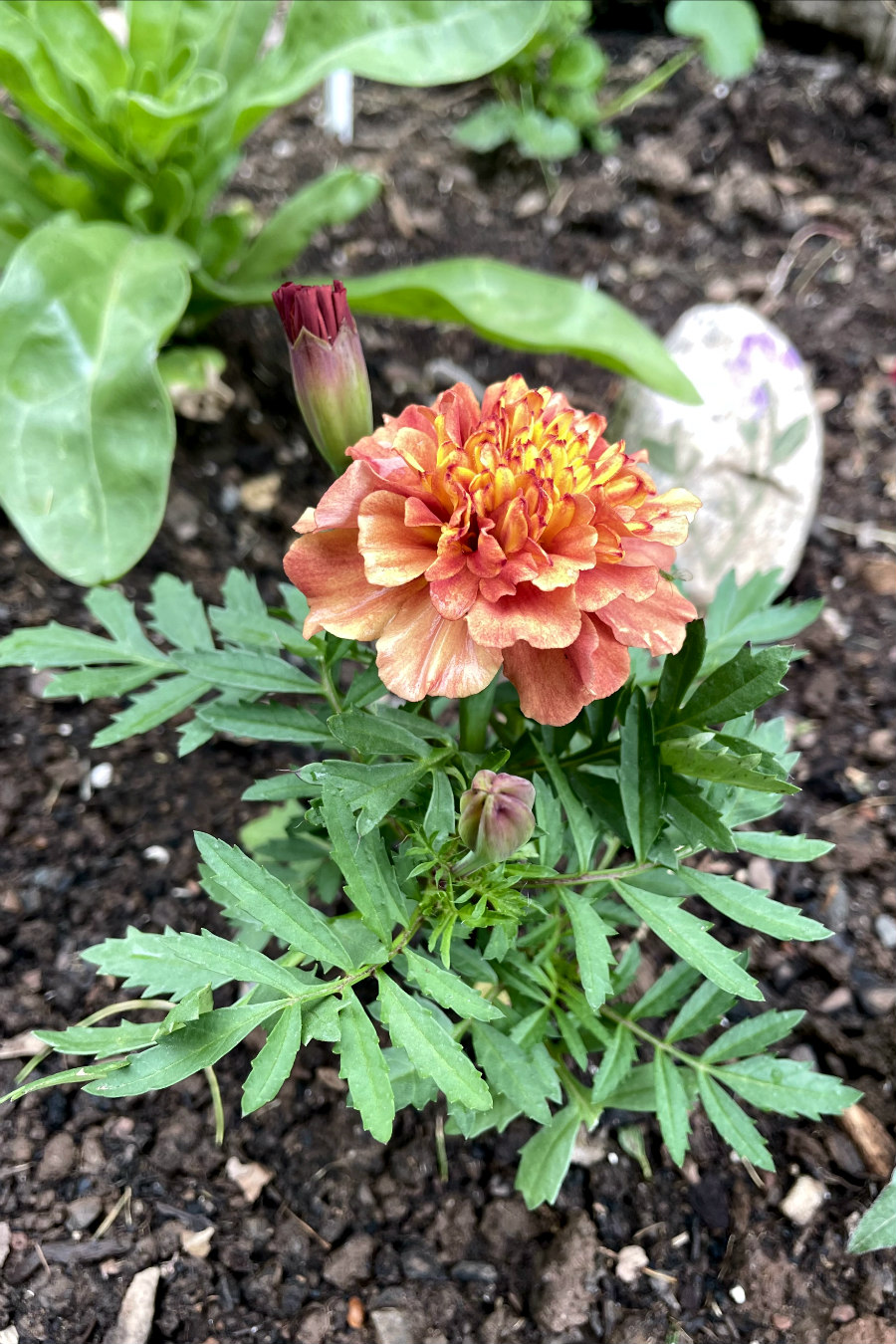
If there's one flower you'll find in my yard every year, it's the marigold. I learned all about these garden protectors early on from watching my mom garden. Every season, they were tucked between tomato and pepper plants as a simple way to deter pests. And while marigolds are well known as a natural pest deterrent, their bold shades of red, orange, and yellow also bring a vibrant pop of color to the garden.
Today, you'll find a wider variety of marigolds at garden centers in solid colors and cheerful mixes. They're one of the easiest flowers to grow from seed and still one of the first flower packs I reach for at the greenhouse. If you're looking for a simply way to add color, support pollinators, and give your veggie garden some extra protection, marigolds are an easy way to keep your plants thriving all season long.
Why You Should Plant Marigolds
Marigolds may be known for their bright, frilly blooms, but they bring a surprising number of benefits to the yard and garden that go far beyond their beauty alone.
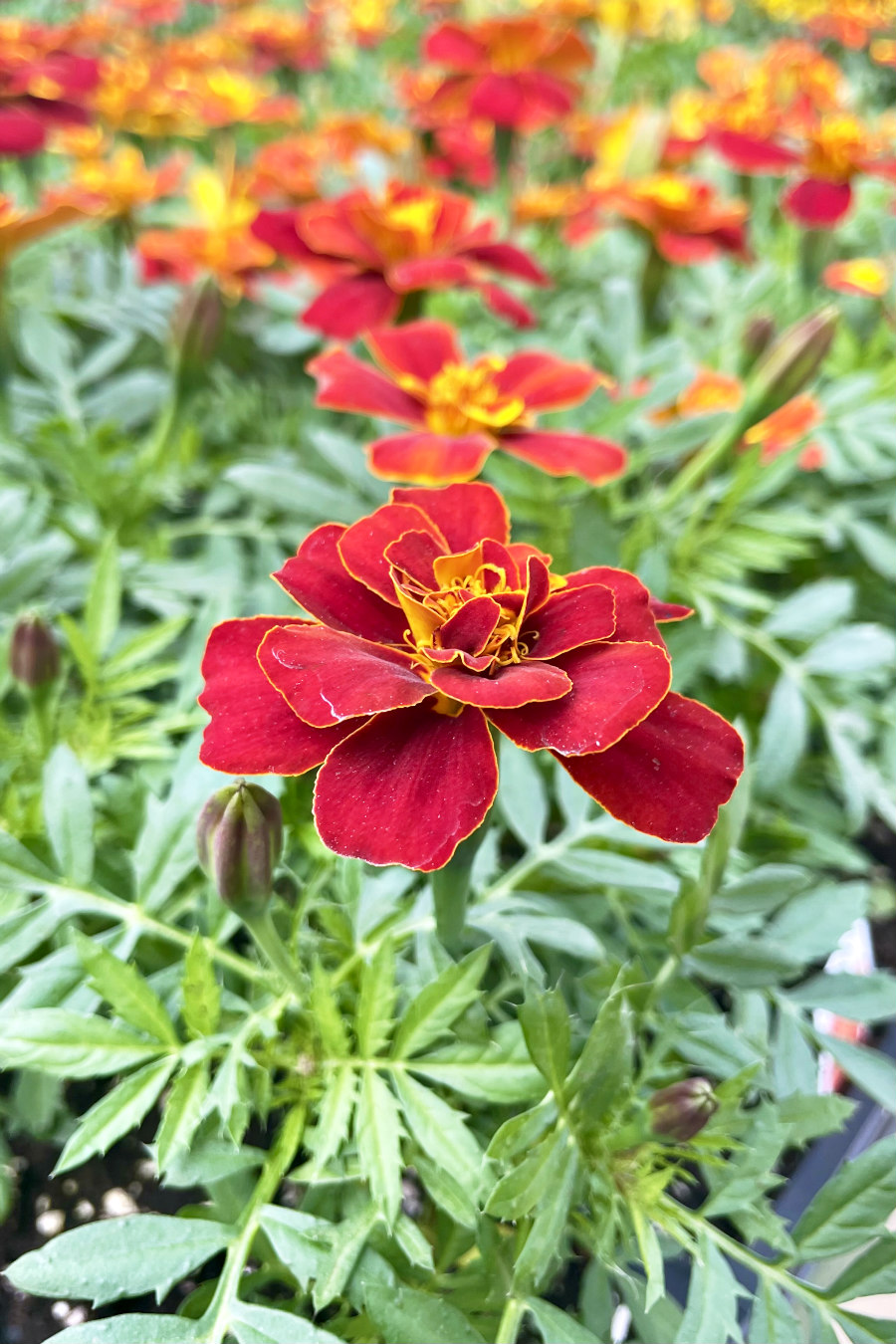
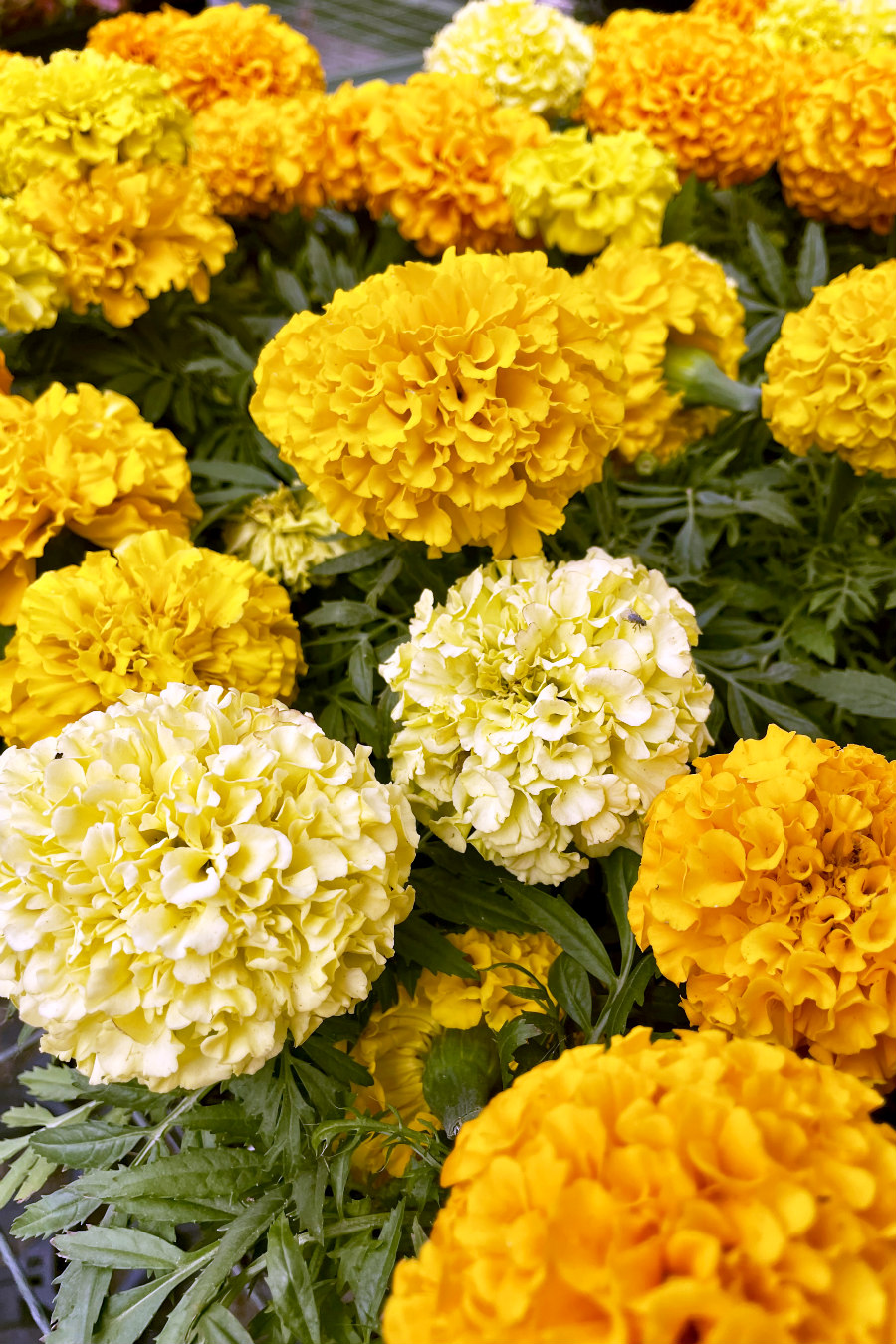
- Bright and bold color palette: If you're simply looking for a way to add vibrant color to your yard, choose marigolds. Their classic orange, yellow, and red colors add instant contrast to gardens, containers, and borders. You can even find other colors like white marigolds and Strawberry Blonde marigolds - pastel pinks and yellows.
- Natural pest deterrent: Most gardeners know these flowers as natural pest deterrents. The French marigold variety is your best choice to protect your garden. Their potent scent repels common garden pests like aphids, nematodes, and whiteflies. African and Mexican marigolds also deter pests, but French marigolds are a top choice to keep pesky critters away.
- Attracts beneficial pollinators: While marigolds may deter pests, they also attract several beneficial pollinators. The bees and hoverflies go crazy for my marigolds each year, and I'll also find a couple varieties of butterflies visiting these flowers as well. Since they attract pollinators, this can often improve your nearby vegetable plants.
- Long blooming season: If you're looking for flowers that will give you continuous color, marigolds tend to bloom up until the first frost. That means you'll have months of color! Bonus tip: keep up with deadheading for better blooms and a bushier plant.
- Easy to grow from seed: While you'll find starter packs of marigolds in just about every garden center this time of year, they're incredibly easy to start from seed. I started some indoors as well as sowing them directly into the soil. It only takes them about 10 days to germinate and, once they get going, it'll be about 8-10 weeks until they bloom.
- Great companion plants: Marigolds are a classic companion plant for the vegetable garden. They grow well alongside tomatoes, cucumbers, peppers, and squash. I've even planted them along the border of my herbs, strawberry patch, and pollinator flower bed this year.
- Heat tolerant: It gets hot here in Jersey over the summer. And when that heat and humidity kicks in, it can cause some of the flowers in our yard to - well, look a little sad. However, once they're established, marigolds will continue to thrive in the heat. They're also drought-tolerant, but do best with regular watering.
- Budget-friendly flower: Marigolds are one of the most affordable flowers for gardeners (which is why I have them all over the place this year). Seed packets can be found at dollar stores as well as grocery stores for $1 or less. And starter packs are often super affordable as well.
- Easy to save seeds: Once your marigolds are thriving, it's easy to save the seeds once the flowers are spent. Let the flower heads turn brown and dry on the plant. Then, remove the black and white seeds and store them in a cool, dry place for the next year. So simple!
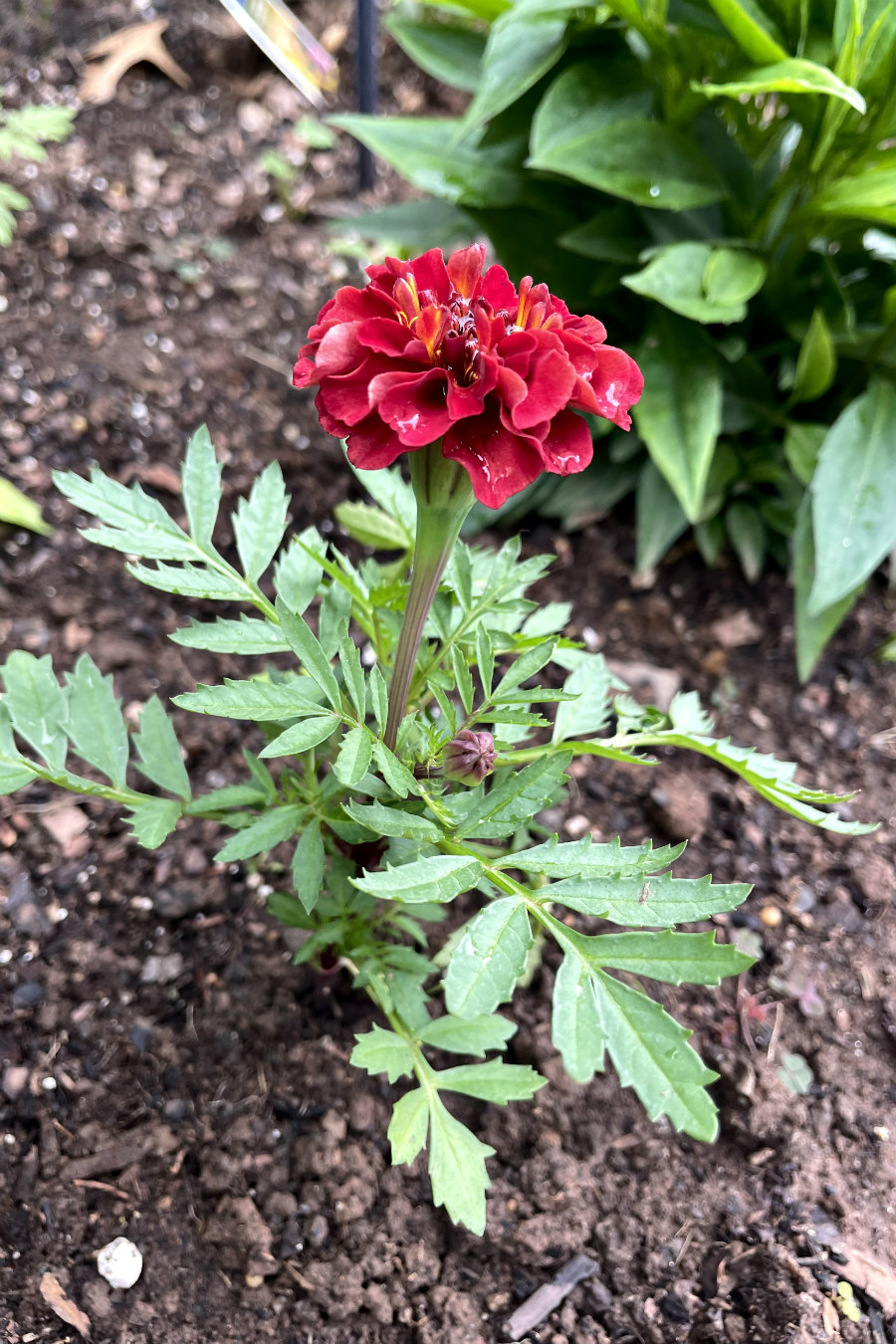
Whether they're tucked between vegetable plants or lining the edge of a flower bed, marigolds fit right into a yard or garden - not only for their beauty, but for the supporting role they play. Their early summer blooms bring color along with purpose. There's a reason why gardeners choose to plant this garden staple year-after-year.